



What Is a French Bob? The Paris Inspired Cut Trending Now
Short Answer: A French bob is a bob cut shorter than usual, landing between the chin and the top of the neck, with minimal layering and often paired with short, soft bangs. It sits closer to the face than an American bob, which is what gives it that effortless, Parisian look. It works best on straight to wavy hair and suits most face shapes when the length and bangs are adjusted to you.
What Makes a Bob a French Bob?
Three things separate a French bob from every other bob: the length, the shape, and the bangs.
The length is shorter. A classic bob usually falls somewhere between the chin and the shoulders. A French bob stops at the chin or just above it. Some versions sit as high as the bottom of the ears. That extra shortness is the whole point. It frames the jaw and draws attention to your eyes and cheekbones.
The shape is blunt and unfussy. Most French bobs have very little layering. The ends are left soft rather than razor-sharp, so the cut moves naturally instead of sitting like a helmet. It should look like you woke up with great hair, not like you spent an hour on it.
The bangs are part of the look. The classic version comes with short, wispy bangs that hit above the eyebrows. Bangs are optional, but they are what most people picture when they think of the 1920s original. If you already wear curtain bangs, your stylist can blend them into the cut instead.
Where Did the French Bob Come From?
The French bob traces back to 1920s Paris, when women cut their hair short for the first time in modern fashion history. The look became a symbol of independence, and it has never fully gone away. Every few years it comes back, and right now it is trending hard because it photographs beautifully and grows out gracefully.
The modern version is softer than the flapper original. Today’s French bob has relaxed texture and lived-in movement instead of the sleek, sculpted finish of the 1920s. That makes it far easier to wear day to day.
Is a French Bob Good for Fine Hair?
Yes, a French bob is one of the best cuts for fine hair. Cutting the length to the chin removes the weight that pulls fine hair flat, so the hair looks instantly thicker. The blunt perimeter also makes the ends look denser than long, tapered ends ever could.
If your hair is fine, ask your stylist to keep layering minimal. Too many layers thin out the ends and defeat the purpose. We cover more volume-friendly options in our guide to the best haircuts for fine hair.
Thick or very curly hair can wear a French bob too, but the approach changes. Thick hair needs internal weight removal so the cut does not puff into a triangle. Curly hair needs the length cut slightly longer, because curls spring up shorter once dry.
What Face Shape Suits a French Bob?
Most face shapes can wear a French bob because the cut is easy to adjust. The variables your stylist will play with are the exact length and whether you add bangs.
- Oval faces can wear any version, including the shortest ear-length crop.
- Round faces do best with the length at the chin or a touch below, which visually lengthens the face. Side-swept or longer bangs help too.
- Square faces look great with soft, piece-y ends that gentle the jawline rather than a hard blunt line.
- Long faces are the ideal match for the classic version with full bangs, since bangs shorten the look of the face.
A good consultation matters more than any chart. Our stylists look at your face shape, your hair texture, and your cowlicks before recommending the exact length, which is a big part of why a women’s haircut at Numi starts with a conversation, not scissors. For clients booking with Gabriel directly, a women’s haircut with Gabriel is the master-level version of that same consultation-first approach.
How Do You Style a French Bob?
The French bob is deliberately low effort. That is the appeal. Most clients style it in under five minutes.
- Air dry with a light styling cream. Work a small amount through damp hair, tuck one side behind your ear, and let it dry. Done.
- For polish, rough-dry then bend the ends. Blow dry with your fingers, then use a flat iron to put a soft bend in the ends. One pass, low heat.
- For texture, use a texturizing spray on dry hair. Spray, scrunch, shake it out. This is the classic undone Paris finish.
For special occasions, our in-salon shampoo and blowout service takes the French bob from everyday to editorial in about 45 minutes. The one thing a French bob does need is regular trims. Because the cut lives at a precise length, it loses its shape faster than longer styles. Plan on a trim every 6 to 8 weeks to keep the line crisp.
How to Ask for a French Bob at the Salon
Use these exact words at your consultation: “I want a French bob, chin length or slightly above, blunt with soft ends, minimal layers.” Then answer two questions with your stylist:
- Bangs or no bangs? The classic look has short, wispy bangs. Skipping them makes the cut easier to grow out.
- How short is too short? If this is your first big chop, start at the chin. You can always go shorter at the next visit.
Bring photos. Two or three pictures of French bobs you love tell your stylist more than any description. If you are still deciding between this and a slightly longer cut, our breakdown of the bob vs the textured bob shows how much the finish changes the look, and our roundup of trending short haircuts covers the alternatives.
Is the French Bob Worth It?
If you want a cut that looks intentional and stylish with almost no daily effort, yes. The French bob makes fine hair look fuller, frames the face beautifully, and works from the office to a formal updo occasion without changing anything. The trade-off is commitment: it is short, and growing it back to shoulder length takes most people close to a year.
Book Your French Bob at Numi Hair
Our stylists have cut every version of the French bob, from the sleek ear-length crop to the soft wavy chin-length take. Numi Hair has been named the Best Hair Salon in Westchester with 2,365+ Google reviews at a 4.9 average rating, and precision short cuts are where that reputation shows most.
Book your appointment online or call us at 914-574-6402. We are located in Scarsdale, an easy drive from White Plains, Eastchester, Bronxville, and all of Westchester County.
FAQ
What is the difference between a French bob and a regular bob?
Length and attitude. A French bob is cut shorter, at the chin or above, with minimal layers and usually short bangs. A regular bob can fall anywhere from chin to shoulders and often has more layering. The French version sits closer to the face and looks more deliberately undone.
Is a French bob high maintenance?
Daily styling is minimal, often just air drying with a light cream. The maintenance is in the trims. The cut needs a refresh every 6 to 8 weeks to hold its shape, which is more frequent than longer styles.
Can I get a French bob without bangs?
Yes. The bangs are traditional but optional. A bangless French bob keeps the short, blunt, face-hugging shape and is much easier to grow out later. Many clients start without bangs and add them at a later visit.
Does a French bob work on wavy hair?
It works beautifully on loose waves. The natural bend gives the cut its texture with zero styling. Your stylist will cut it slightly longer than the target length, since waves lift the hair once dry.
Will a French bob make my hair look thicker?
Yes. Removing length removes weight, and the blunt perimeter concentrates the ends at one line, which reads as density. It is one of the most reliable cuts for making fine or thinning hair appear fuller.
Categories
Recent Posts
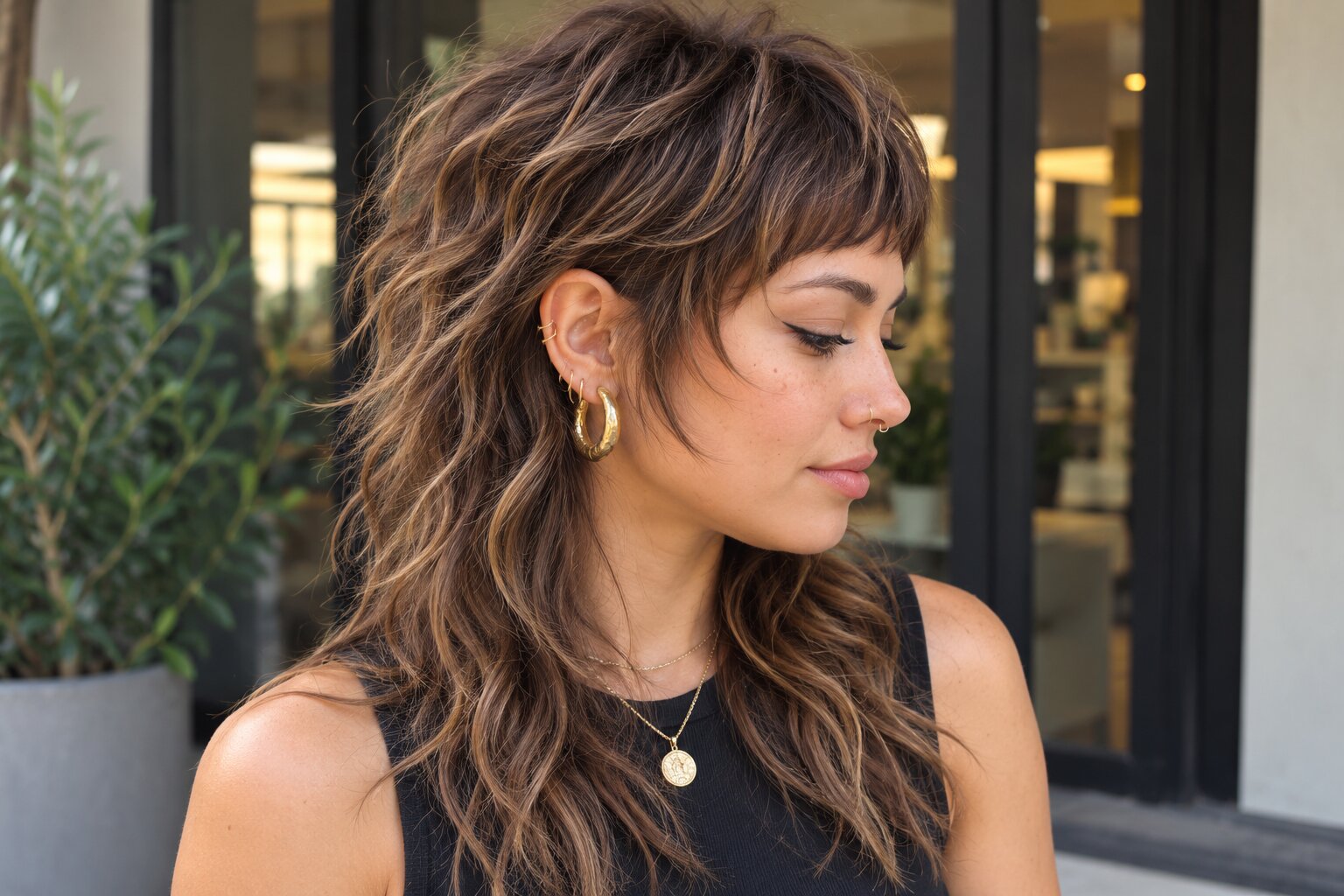
A shullet is a shag and a mullet combined. It [...]
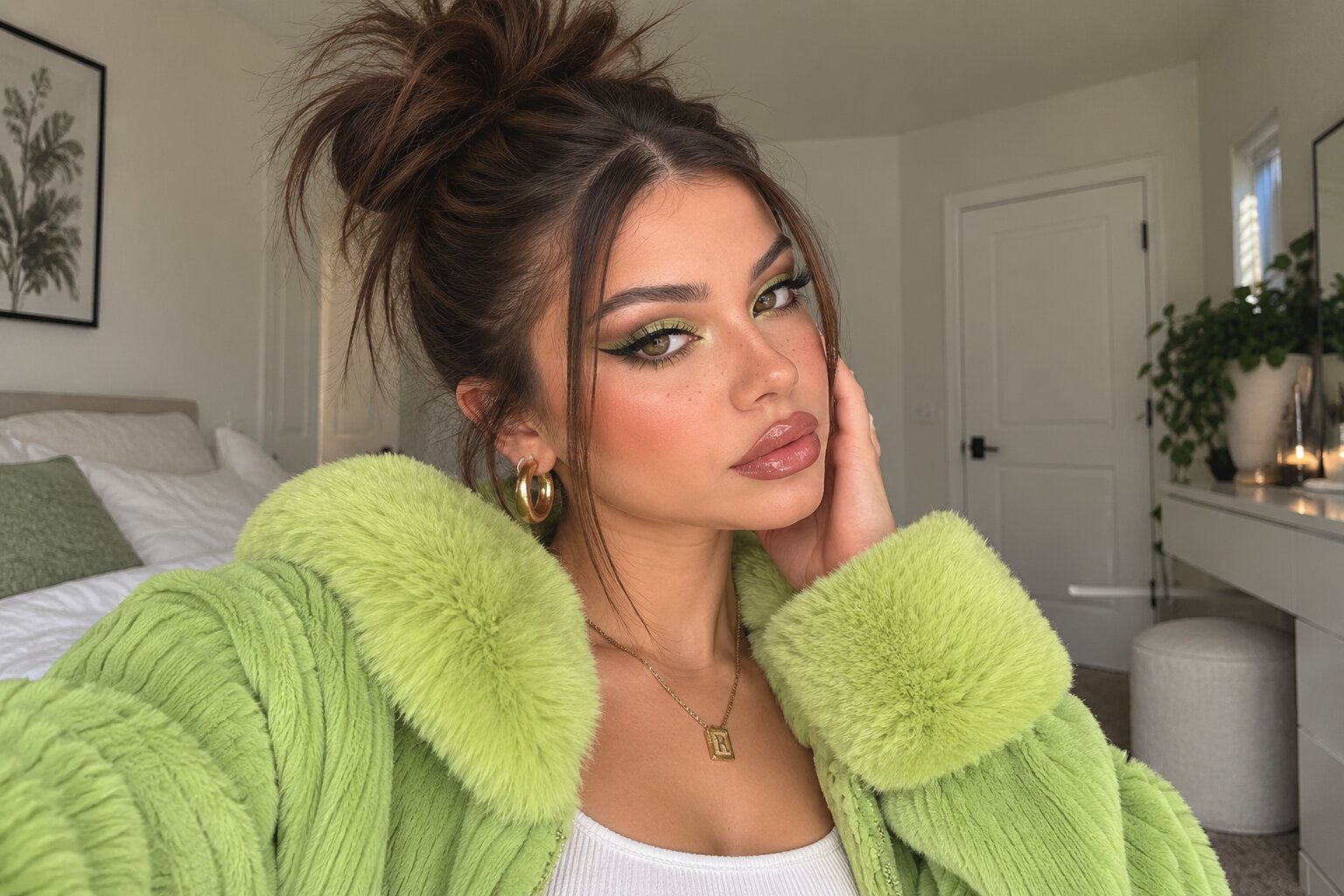
Y2K hairstyles are already back. Claw clips, center parts, face-framing [...]
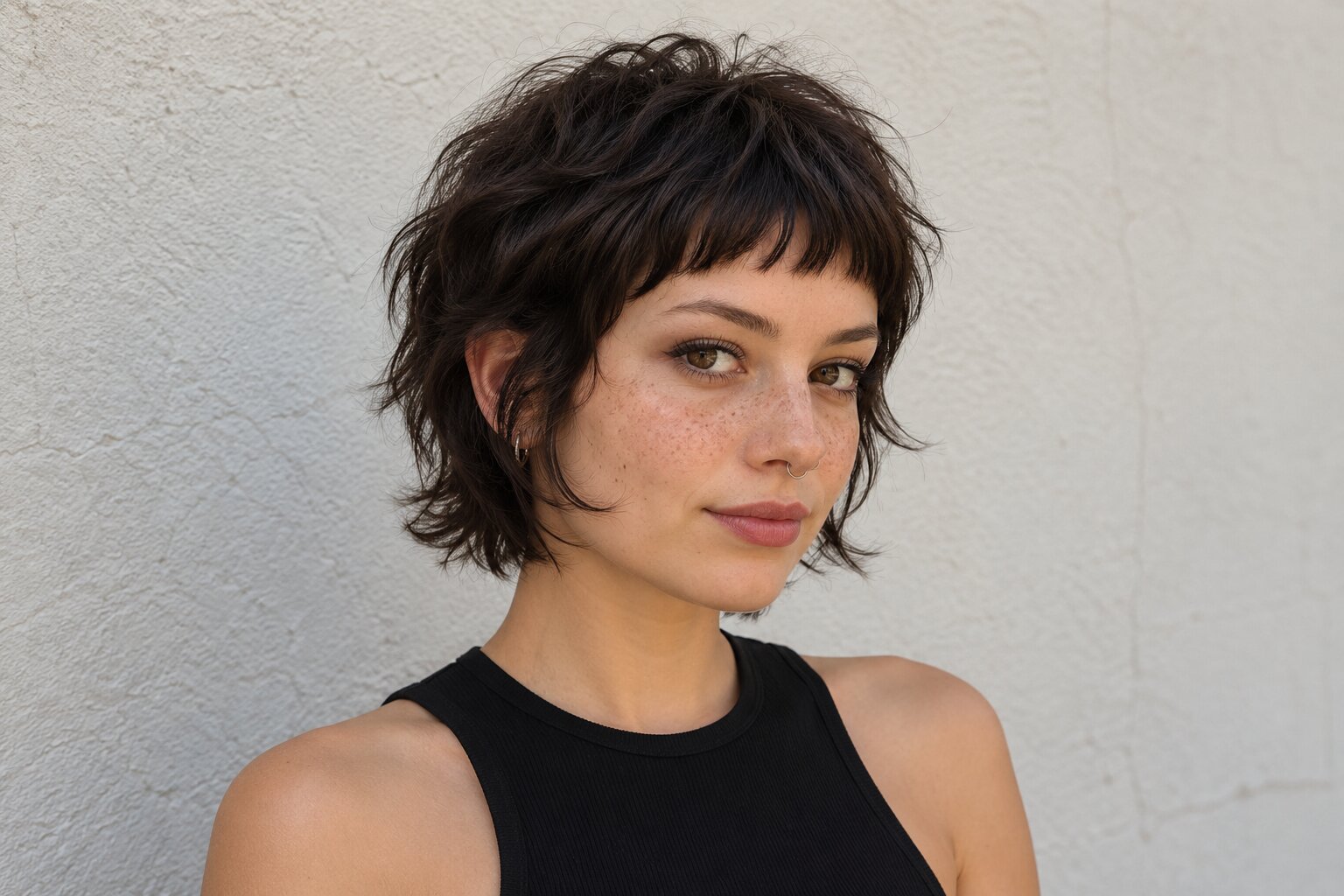
Micro bangs are a very short fringe cut well above [...]