



Best Haircuts for Fine Hair
Fine hair has its advantages. It’s soft, it dries quickly, and it looks sleek without much effort. But it also falls flat easily, shows thinning more visibly, and can look limp by the end of the day no matter what products you use.
The good news? The right haircut solves most of those problems before you ever pick up a styling tool. A cut that works with your hair’s natural texture, rather than against it, can add volume, movement, and fullness that lasts from morning to night. Here are the best haircuts for fine hair, why they work, and what to ask your stylist for.
Short Answer
The best haircuts for fine hair are blunt cuts that preserve thickness at the ends, combined with strategic layers around the face and crown. Avoid heavy layering or thinning shears, which remove bulk that fine hair can’t afford to lose. Shorter lengths (collarbone and above) tend to hold volume better than long styles, which can weigh fine hair down and make it look flat.
Why the Right Haircut Matters More for Fine Hair
With thick or coarse hair, you have room for error. A cut that’s slightly off still holds shape because there’s enough density to compensate. Fine hair doesn’t have that margin.
Every strand of fine hair has a smaller diameter than medium or coarse hair. That means there’s less weight per strand, less natural volume, and less texture to work with. When fine hair is cut incorrectly, the result is obvious: limp ends, flat roots, and a shape that disappears the moment you walk outside.
The right cut creates the illusion of thickness through strategic shaping. It keeps weight where you need it (the ends), removes weight where it helps (around the face and crown), and builds a structure that holds without heavy products. (Related but distinct: our guide to the best haircut for older women with thin hair covers how age-related density loss compounds fine hair challenges — worth reading if both apply to you.)
The Best Haircuts for Fine Hair
01The Blunt Bob
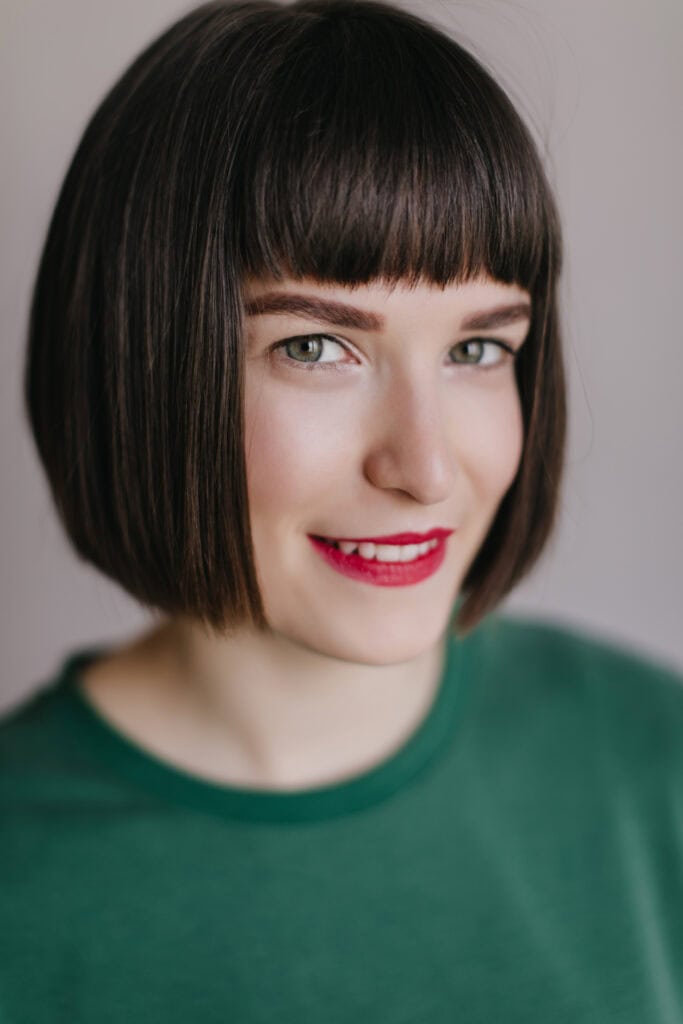
This is one of the most reliable cuts for fine hair. A blunt bob, typically hitting between the chin and the collarbone, creates a strong, clean line at the bottom that makes the hair look instantly thicker. Because the ends are cut straight across rather than tapered, every strand contributes to the appearance of fullness. (Not sure whether to go blunt or textured? Our breakdown of the difference between a bob and a textured bob covers when each shape flatters fine hair.)
Best for: Fine hair that looks thin at the ends. The blunt line creates visual density that layered cuts can’t match.
Ask your stylist for: A one-length bob with no layering through the interior. If you want some movement, ask for light face-framing highlights rather than layers throughout.
02The Long Bob (Lob)
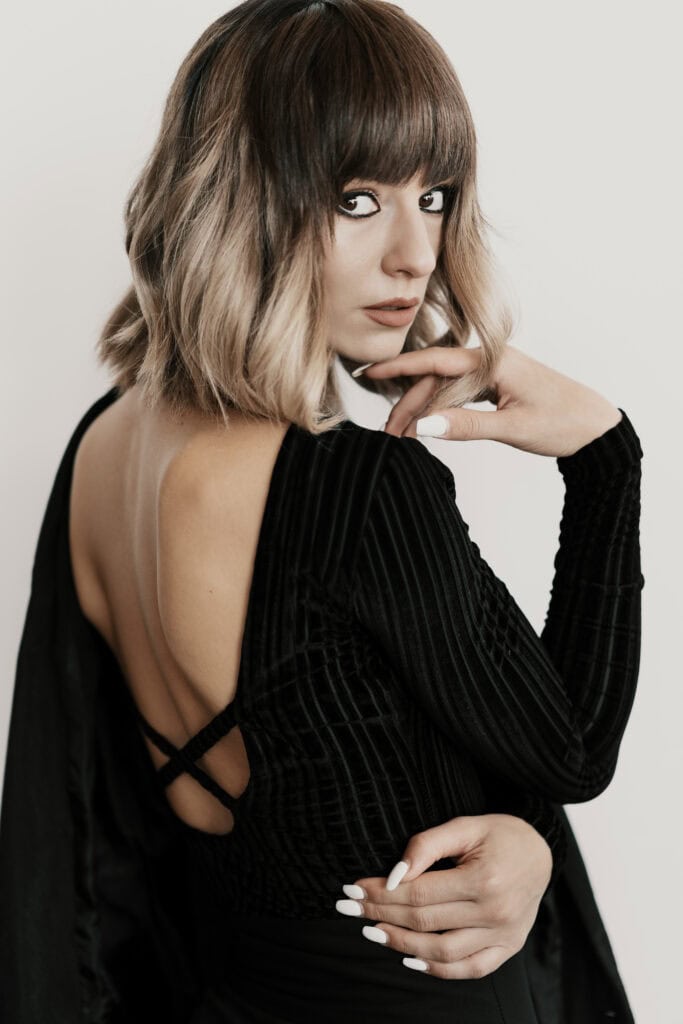
If you’re not ready to go full bob, the lob offers the same volume benefits with a few extra inches. It typically falls between the collarbone and the shoulders, which is the sweet spot for fine hair: short enough to hold shape, long enough to pull back when needed.
Best for: Women who want versatility without sacrificing volume. The lob works with almost every face shape and can be styled straight, wavy, or curled.
Ask your stylist for: A blunt or slightly textured cut at collarbone length. Avoid heavy internal layers, but a few face-framing pieces can add dimension without removing bulk.
03The Textured Pixie
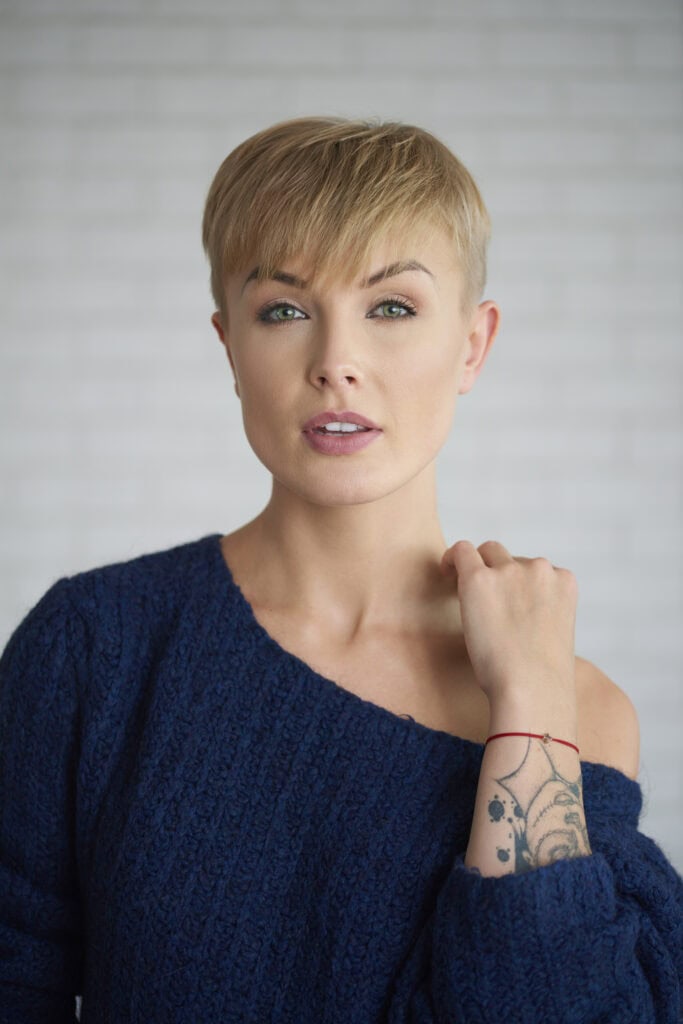
A pixie cut can be transformative for fine hair. Shorter lengths mean less weight pulling the hair down, and the right texturing creates movement and volume that longer styles can’t achieve. The key is keeping enough length on top for styling while keeping the sides and back clean. (For a middle-ground option between a pixie and a bob, our guide to the bixie haircut covers a pixie/bob hybrid that’s especially strong on fine hair.)
Best for: Women who want a low-maintenance, high-impact cut. Pixie cuts work especially well for fine hair that’s also thinning, because the shorter length minimizes visible scalp show-through.
Ask your stylist for: A pixie with longer layers on top and a tapered or slightly undercut back and sides. Avoid a uniform buzz; the contrast between longer top and shorter sides is what creates volume.
04The Layered Shag
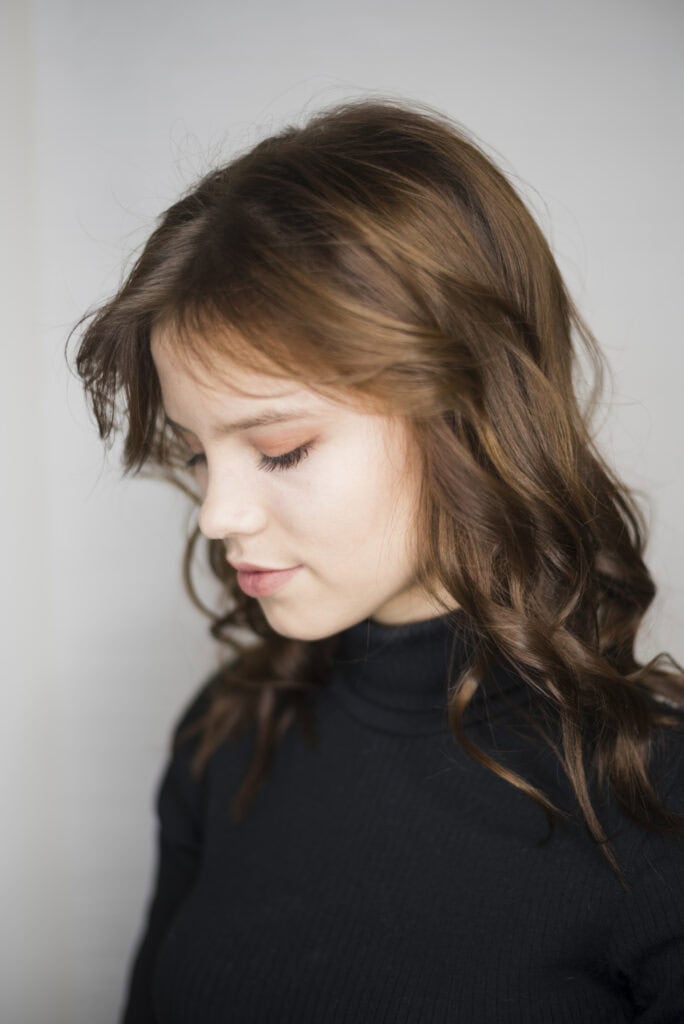
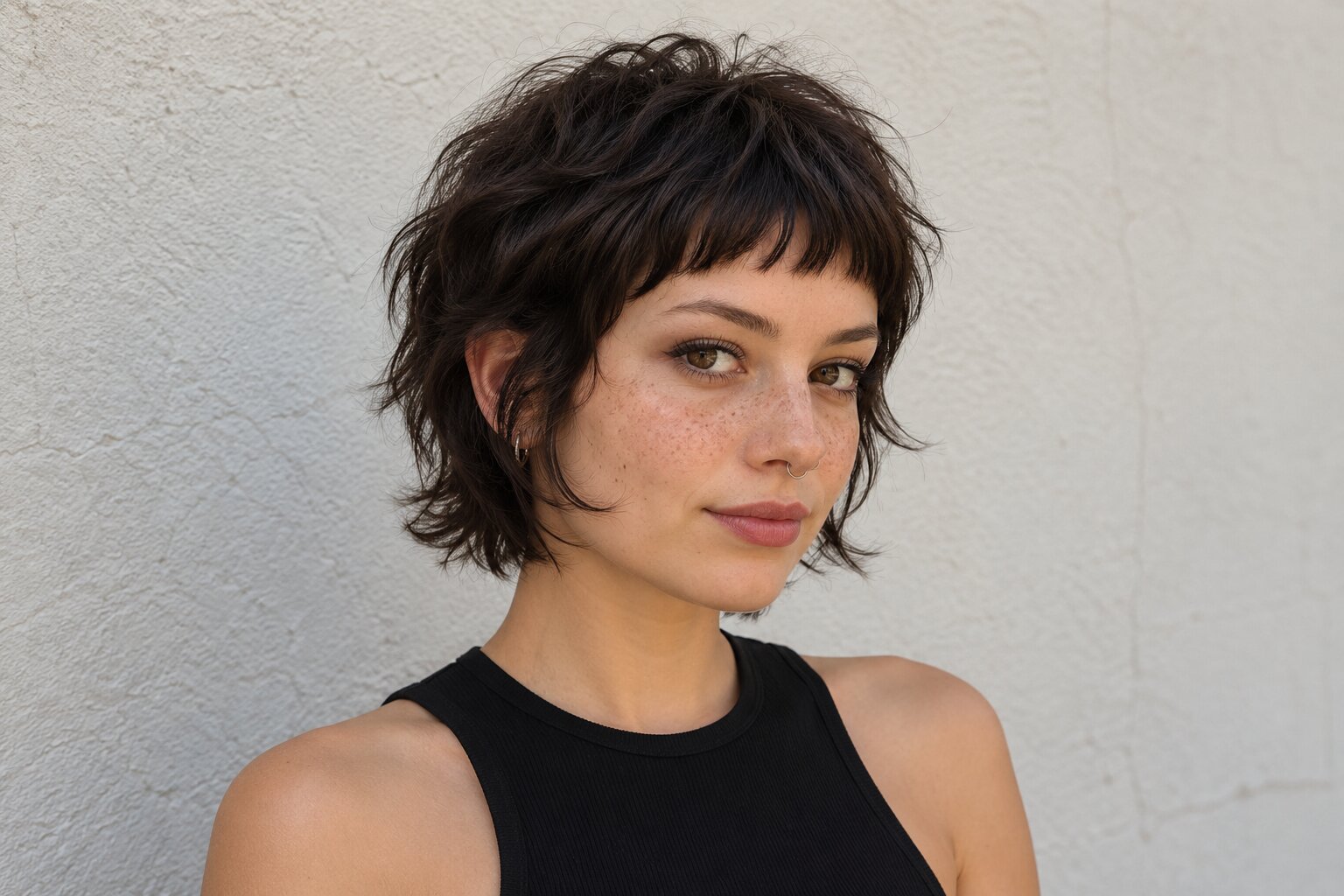
The shag has made a comeback, and for good reason. When adapted for fine hair, the shag’s shorter layers at the crown create lift and volume right where fine hair needs it most. The longer pieces below add movement without looking thin. (Curious whether adding bangs will flatter you? Our companion piece on whether bangs make older women look younger covers the same bang-selection principles that apply to any fine-haired client.)
Best for: Women who want a textured, lived-in look with more personality than a classic bob. The shag works particularly well with bangs, which add fullness around the face.
Ask your stylist for: A modern shag with curtain bangs and layering concentrated at the crown. Make sure the layers aren’t too short or too many; on fine hair, over-layering creates wispy, see-through ends.
05The Collarbone Cut with Face-Framing Layers
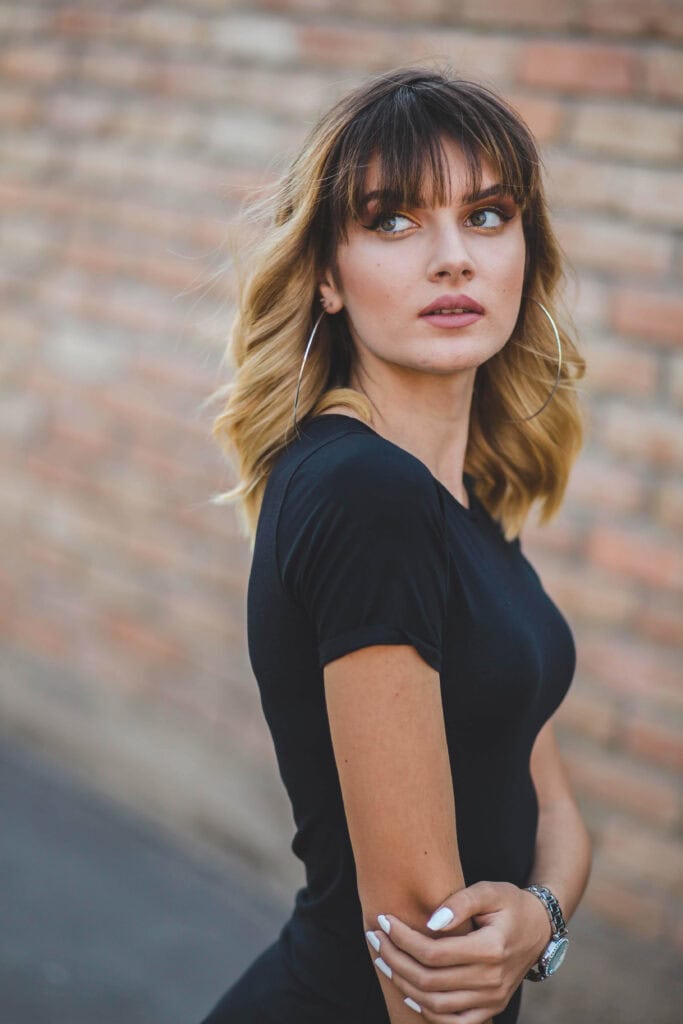
This is the “Goldilocks” length for fine hair. It sits right at the collarbone, which prevents the weight from dragging hair flat like longer lengths do. Adding layers only around the face (not throughout the interior) preserves bulk while creating movement where it’s most visible.
Best for: Women who want something between a bob and long hair. This length is also ideal for adding balayage in Westchester or full-head highlights, which create visual dimension that makes fine hair look fuller.
Ask your stylist for: A blunt cut at the collarbone with layers starting at the cheekbone and framing the face. Keep the back one length.
What to Avoid with Fine Hair
Knowing what not to ask for is just as important as knowing what works.
Heavy layering throughout. Layers remove weight, and fine hair doesn’t have weight to spare. Excessive layering makes the ends look thin and stringy. Keep layers minimal and focused around the face. That rule is why a wolf cut for fine hair works better at bob length than at full length, where the layering thins the ends out.
Thinning shears. These scissors are designed to remove bulk, which is the opposite of what fine hair needs. If your stylist reaches for thinning shears on fine hair, speak up. Point cutting (using regular shears to create texture at the tips) is a better option.
Very long lengths. Hair that falls well past the shoulders tends to lay flat on fine-haired clients because gravity pulls it straight down. If you love long hair, consider the collarbone length as a compromise; it still feels “long” without the volume sacrifice.
One-length cuts with no movement. A completely blunt cut with no face-framing or texturing can look heavy and flat, like a helmet. The blunt line at the bottom is important, but you still need a small amount of shaping around the face to create dimension.
How Color Can Make Fine Hair Look Thicker
The right haircut does most of the heavy lifting, but color is a powerful supporting tool. Dimensional color, specifically techniques that create light and dark contrast, tricks the eye into seeing more depth and fullness.
Balayage in Westchester adds lighter pieces that catch light and create the appearance of movement, even on straight fine hair.
Full-head highlights and lowlights placed strategically around the face and crown create contrast that makes the hair look multi-dimensional rather than flat and one-toned.
A glaze treatment adds shine and reflects light, which visually plumps fine strands.
If you’re considering color for fine hair, our colorists use INOA ammonia-free color, which is gentler on delicate strands than traditional ammonia-based dyes. Less chemical damage means your fine hair keeps its strength and elasticity. For more on that, see our guide to ammonia-free hair color.
Styling Tips That Actually Work for Fine Hair
A few habits that make a noticeable difference:
Blow-dry with a round brush at the roots. Lift each section at the root and direct heat underneath. This creates volume at the base that holds all day. Let each section cool before releasing it.
Use volumizing products sparingly. Too much product weighs fine hair down. A lightweight mousse or root-lifting spray applied to damp hair before blow-drying is usually enough. Avoid heavy serums or oils on the roots.
Try a velcro roller set. After blow-drying, place large velcro rollers in the crown section and let them sit for 10 minutes while you do your makeup. The result is effortless, long-lasting volume with zero heat damage.
Finish with texture spray, not hairspray. Texture spray adds grit and hold without the stiffness that traditional hairspray creates. It gives fine hair something to “grip” so styles last longer.
Consider a smoothing treatment. Fine hair breaks easier than thick hair — every heat styling session, every brush pass, every rough towel dry accumulates damage over time. A professional keratin treatment smooths the cuticle so your daily routine takes less manipulation to look polished, which means less breakage over months and years. Fine hair that isn’t constantly being fought with looks fuller because it isn’t shedding as many strands to daily wear and tear.
Why Professional Guidance Makes the Difference
Pinterest boards and magazine photos are great for inspiration, but fine hair requires a stylist who understands how to cut and style specifically for your hair density, texture, and growth patterns.
At Numi Hair Salon in Scarsdale, our stylist team specializes in working with all hair types and textures, including fine and thinning hair. With 2,400+ five-star Google reviews and multiple Best of Westchester awards, we’ve built a reputation for delivering cuts that make our clients feel confident and beautiful no matter what their hair is doing.
Whether you’re considering a dramatic change or just want a trim that makes the most of what you have, our stylists will give you an honest, personalized recommendation based on your hair, your face shape, and your lifestyle. Booking for the whole family? Our kids haircut service means moms in for a fine-hair consult can bring their kids in the same visit.
Ready to find the perfect cut for your fine hair?
Book an appointment at Numi Hair Salon in Scarsdale, NY, or call us at 914-574-6402.
69 Harney Road, Scarsdale, NY 10583 · 4.9★ (2,400+ Google reviews) · Multiple Best of Westchester awards
Frequently Asked Questions
Should fine hair be cut blunt or layered?
Blunt is almost always better for fine hair. A blunt line at the ends preserves the maximum amount of thickness and creates a fuller, denser appearance. If you want movement, ask for light face-framing layers only, not layers throughout the entire cut.
Does shorter hair make fine hair look thicker?
Generally, yes. Shorter lengths (collarbone and above) reduce the weight pulling your hair flat, which allows it to hold more volume. That said, the specific cut matters more than the length alone. A well-shaped lob will look thicker than a poorly layered pixie. When a cut alone is not enough, the best hair extensions for thin hair can add the density the shape is working for.
Are bangs good for fine hair?
Bangs can work beautifully on fine hair, especially curtain bangs or side-swept styles that add fullness around the face without requiring a thick, heavy fringe. Avoid very blunt, straight-across bangs, which need a certain density to look full. Your stylist can help you choose the right style.
How often should I get my fine hair trimmed?
Every 6 to 8 weeks is ideal for fine hair. Because fine strands are more prone to split ends and breakage, regular trims keep your cut looking sharp and prevent the wispy, see-through ends that make fine hair look thin.
Can color make fine hair look thicker?
Yes. Dimensional color techniques like balayage in Westchester and full-head highlights create light-and-dark contrast that tricks the eye into seeing more depth and volume. Even a simple glaze adds shine that reflects light and makes strands appear fuller.
Numi Hair Salon is located at 69 Harney Road, Scarsdale, NY 10583 — just off the Bronx River Parkway. We serve clients from White Plains, New Rochelle, Eastchester, Bronxville, Hartsdale, and throughout Westchester County.
Categories
Recent Posts
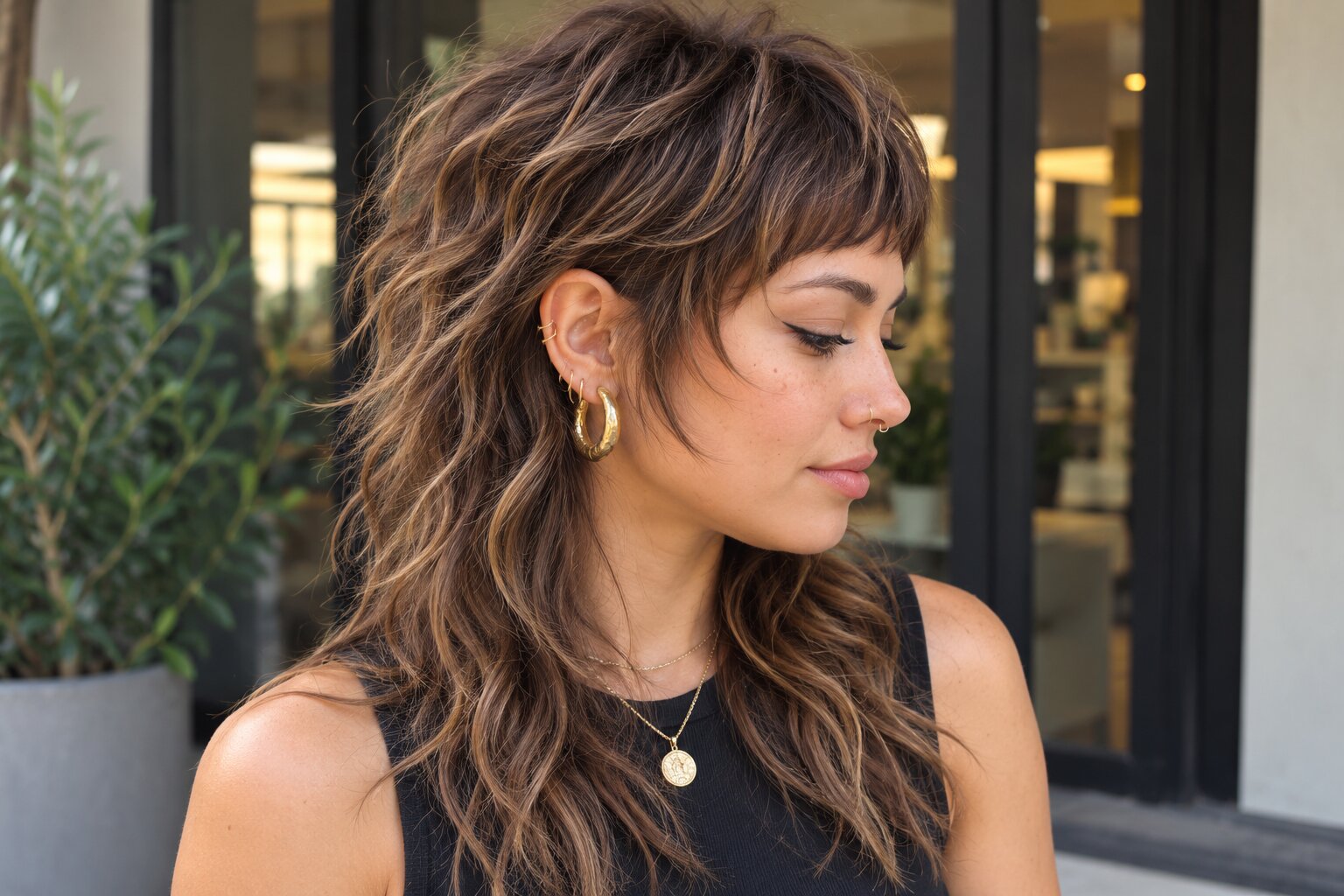
A shullet is a shag and a mullet combined. It [...]
Y2K hairstyles are already back. Claw clips, center parts, face-framing [...]
Micro bangs are a very short fringe cut well above [...]