



Postpartum Hair Loss: What Helps and When It Grows Back
If you’re finding clumps of hair in the shower a few months after having your baby, take a breath: postpartum hair loss is normal, it’s temporary, and it almost always grows back on its own. It feels alarming, but it’s one of the most common things new moms go through.
Short Answer
Postpartum hair loss usually starts around 2 to 4 months after birth, peaks near month four, and resolves on its own by your baby’s first birthday. It’s a temporary shedding phase called telogen effluvium, triggered by dropping estrogen, not a sign of permanent hair loss. You can’t stop it, but the right haircut, gentle care, and bond treatments make the regrowth phase look and feel much fuller while you wait it out.
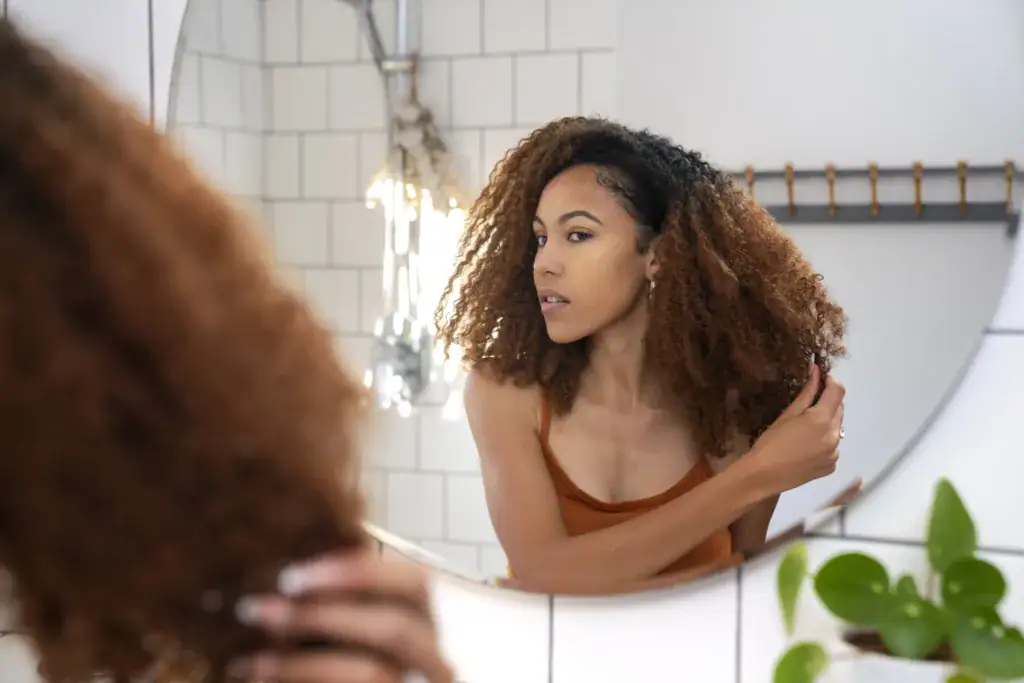
Why Is My Hair Falling Out After Pregnancy?
During pregnancy, high estrogen levels keep more of your hair in its growing phase, which is why so many women feel thick, glossy, and full while pregnant. After birth, estrogen drops fast, and all that hair shifts into the resting phase at once. A few months later, it sheds together.
Dermatologists call this telogen effluvium. It’s the same temporary shedding the body goes through after any big stress, illness, or hormonal shift, and childbirth is one of the biggest. According to the American Academy of Dermatology, the shedding usually peaks about four months after giving birth and does not require any treatment to resolve.
In other words, you’re not losing your hair. You’re catching up on months of shedding that pregnancy paused.
When Does Postpartum Hair Loss Stop and Grow Back?
Here’s the timeline most new moms follow:
- Months 1 to 2: hair often still feels thick. The shedding hasn’t started yet.
- Months 3 to 4: shedding ramps up and usually peaks. This is when you notice hair on your pillow, in the brush, and around your hairline.
- Months 5 to 6: shedding slows down and new growth begins. You may see short “baby hairs” framing your face.
- Months 9 to 12: density returns. Most women are back to their normal fullness by their baby’s first birthday.
If your hair hasn’t returned to normal after about a year, or the thinning is concentrated in one spot rather than all over, it’s worth seeing a dermatologist to rule out other causes like low iron or a thyroid shift. Our guide to understanding thinning hair causes covers what else can be at play.
What Helps Postpartum Hair Loss While You Wait?
You can’t switch shedding off, but you can support regrowth and make thinning far less noticeable. What actually helps:
- Keep taking your prenatal vitamin. Nutrient stores get depleted postpartum, and iron, zinc, and vitamin D all support the hair cycle. Ask your doctor before adding supplements.
- Be gentle. Skip tight ponytails and buns that stress the hairline, use a wide-tooth comb, and go easy on heat tools while new growth comes in.
- Use volumizing, not heavy, products. A lightweight mousse at the roots lifts fine regrowth. Heavy oils and silicones weigh it down.
- Feed your hair from the inside. Protein, healthy fats, and staying hydrated matter, especially while breastfeeding. Our guide on how diet affects thinning hair breaks it down.
- Book a bond treatment. An in-salon Olaplex or K18, or Milbon treatment strengthens the hair you have so it breaks less and looks fuller.
The Right Haircut Makes Postpartum Thinning Disappear
The fastest fix for the way thinning hair looks isn’t a product. It’s the cut. A stylist who works with fine and postpartum hair can build the illusion of density in one appointment.
Shorter, blunter shapes read as fuller because the weight sits at the ends instead of dragging fine hair flat. Soft, face-framing layers draw the eye forward and disguise a thinner hairline. A precision women’s haircut tailored to your regrowth pattern does more for volume than any “thickening” spray on the shelf.
Adding a touch of dimensional color helps too. For a deeper look at flattering shapes, see our guide to the best haircuts for fine hair and how to cover thinning hair.
You’re Not Overreacting, and You’re Not Alone
Losing hair on top of newborn exhaustion is a lot, and it’s okay to feel thrown by it. Almost every new mom goes through this, and almost every one grows it back. Being kind to yourself and your hair through the messy middle is the whole job here. You’ve got this, and it’s temporary.
Make your regrowth look fuller now.
Our Scarsdale stylists specialize in fine and postpartum hair. In one visit we’ll shape a flattering cut, strengthen your strands with a bond treatment, and send you home with a simple routine that fits new-mom life. Book your appointment or call 914-574-6402.
69 Harney Road, Scarsdale, NY 10583 · 4.9★ (2,400+ Google reviews) · Multiple Best of Westchester awards · Top 100 Salon in the U.S.
Frequently Asked Questions
When does postpartum hair loss start?
Usually around 2 to 4 months after giving birth. Many women feel their hair is still thick right after delivery, then notice heavier shedding once estrogen drops and the resting hairs release together.
Is postpartum hair loss permanent?
No. It’s a temporary phase called telogen effluvium, and it almost always resolves on its own. Most women return to their normal hair density by their baby’s first birthday without any treatment.
Does breastfeeding cause hair loss?
Breastfeeding doesn’t cause postpartum shedding, the hormonal drop after birth does. You can keep nursing without making it worse. Just focus on good nutrition and your prenatal vitamin to support regrowth.
What can I do to make it grow back faster?
You can’t speed the hormone cycle, but a balanced, protein-rich diet, gentle handling, and bond-repair treatments support healthier regrowth. A flattering cut makes the thinning much less noticeable while you wait.
When should I see a doctor about postpartum hair loss?
See a dermatologist if shedding is still heavy after 12 months, if hair loss is concentrated in one area rather than spread out, or if you have other symptoms like fatigue that could point to low iron or a thyroid issue.
Numi Hair Salon is located at 69 Harney Road, Scarsdale, NY 10583, and works with new moms across Westchester County on fine and postpartum hair. This article is general information, not medical advice; for persistent hair loss, consult a dermatologist.
Categories
Recent Posts
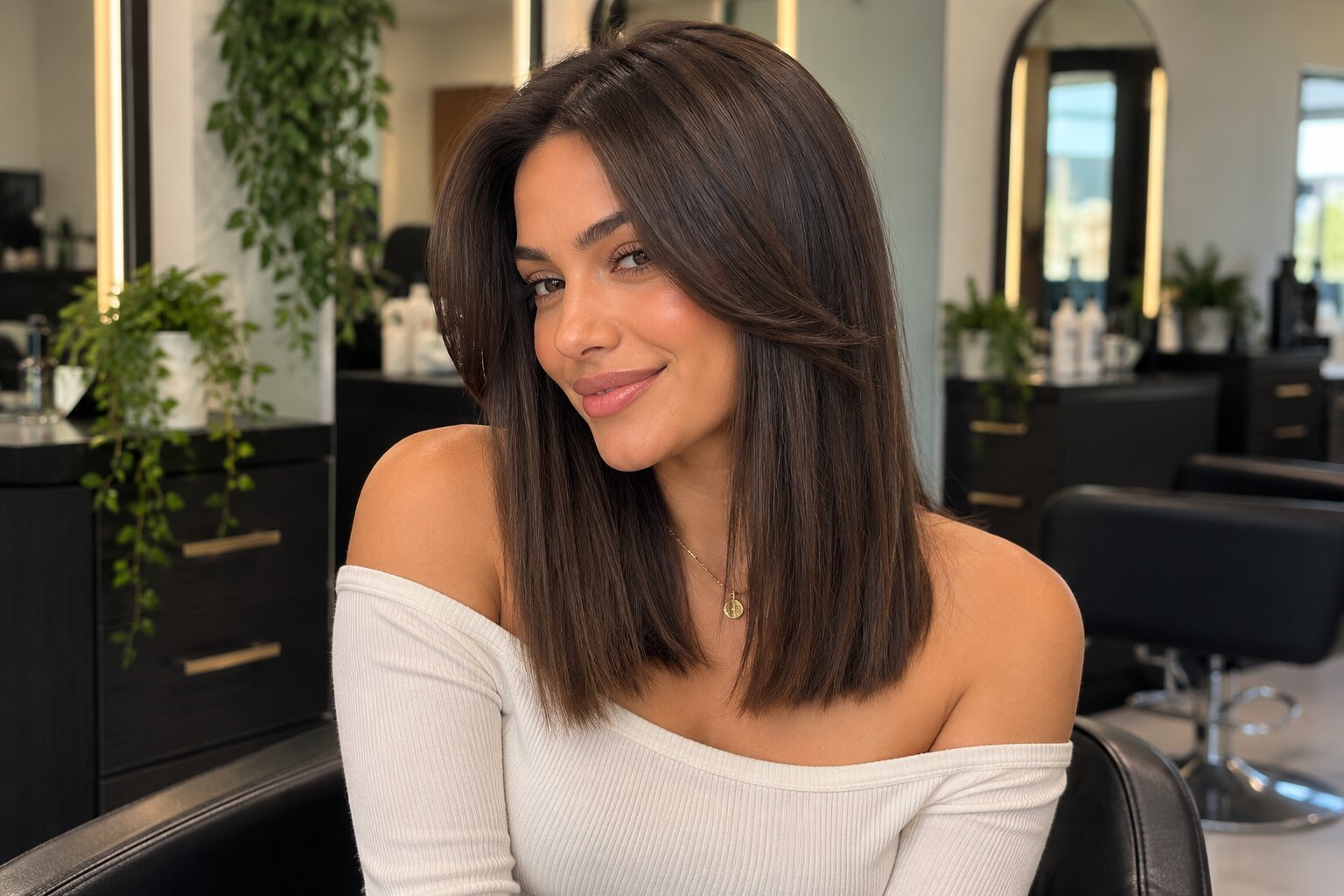
A blunt cut is hair cut straight across at one [...]
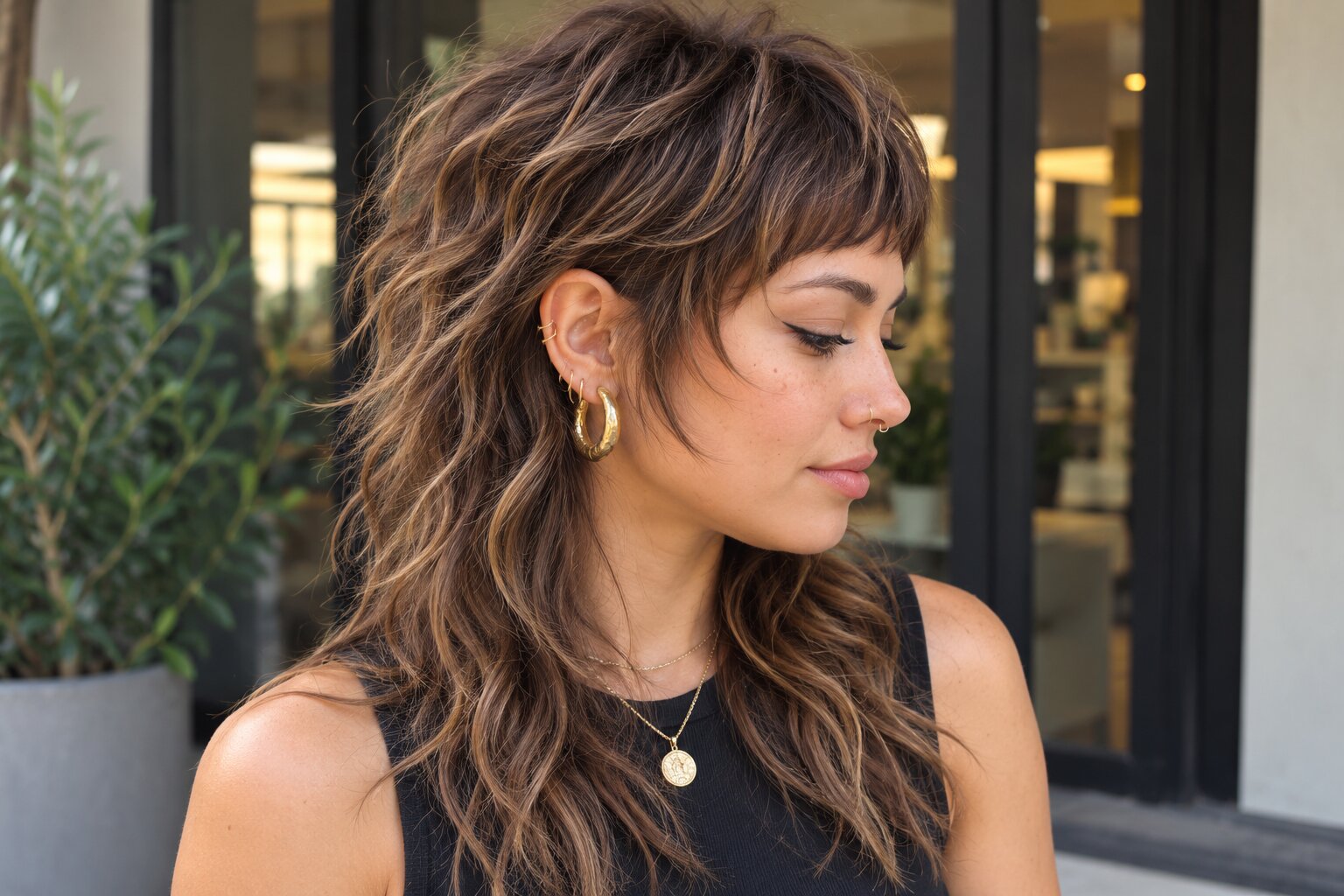
A shullet is a shag and a mullet combined. It [...]
Y2K hairstyles are already back. Claw clips, center parts, face-framing [...]