



The 2A Wavy Hair Method That Stops Frizz for Good
Short Answer: To style 2A wavy hair without frizz, the routine that works for most people is: shampoo with a sulfate-free formula, condition heavily mid-lengths to ends, gently scrunch out water with a microfiber towel or cotton t-shirt (never terry cloth), apply a curl-defining cream or light mousse to damp hair section by section, follow with a lightweight gel for hold, scrunch upward, then either air-dry plop-style or diffuse on low heat without touching the hair as it dries. The biggest frizz triggers are using regular towels, brushing dry hair, over-shampooing, skipping the gel cast, and touching waves while they’re still wet. Most 2A clients can cut their frizz dramatically in a week by fixing just those five things.
What “2A” Actually Means
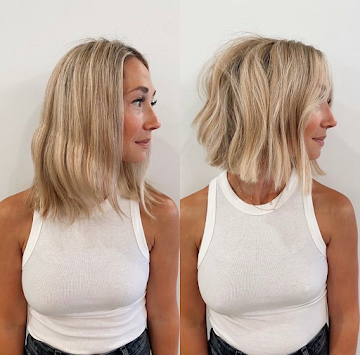
Hair type charts label 2A as the lightest, loosest wave pattern in the wavy category. Practically, 2A hair:
- Falls in soft S-shaped waves rather than ringlets
- Looks straight at the root, wavy at the ends
- Lacks the density to hold curl from a curling iron beyond a few hours
- Frizzes easily in humidity, when touched, or with the wrong products
- Tends to be fine-to-medium in actual strand thickness
- Often gets weighed down by products designed for curlier hair
The challenge with 2A is that it’s structurally in-between. Straight-hair routines don’t address the wave pattern; curly-girl method routines often over-condition and over-product, leaving 2A waves limp and greasy by day two. The right routine is its own category — lighter and more strategic than curly-girl protocols.
The Frizz Source: Why 2A Hair Frizzes
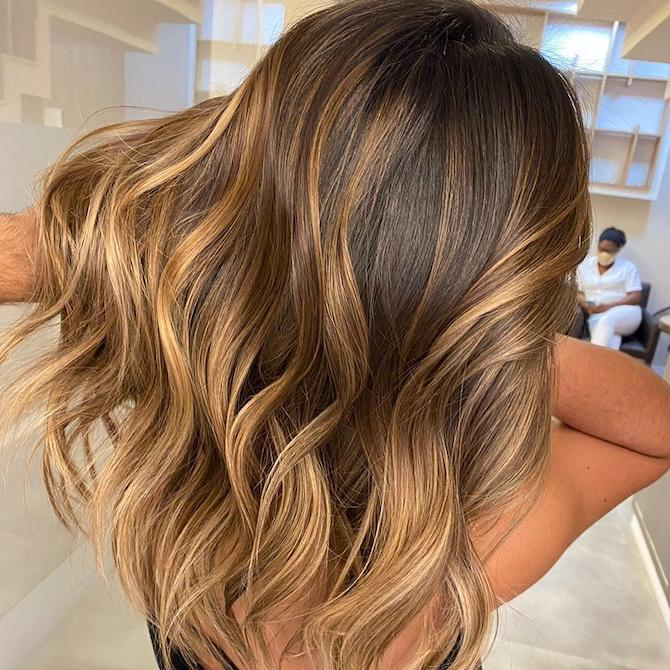
2A frizz almost always comes from one of five places. Identifying yours is the fastest path to fixing it.
1. Mechanical damage from drying
Terry cloth towels rough up the cuticle. Brushing dry hair separates the wave pattern. Both create instant frizz on 2A.
2. Cuticle disruption from over-washing
2A hair has lower sebum production than tighter textures. Daily washing strips the protective oil layer and triggers frizz.
3. Humidity (Westchester summers especially)
2A hair shaft easily absorbs moisture from the air. Without a sealing gel cast, humidity = frizz within hours.
4. Heat damage from styling tools
Flat irons and high-heat blow-drying break protein bonds. Damaged 2A hair frizzes more, holds wave less.
5. Wrong product weight
Heavy curly-girl creams weigh 2A waves into ropy strings. Light styling products give better wave definition without frizz.
The American Academy of Dermatology covers general principles on frizz prevention in their hair care resource — the salon-side translation for 2A specifically is: lighter products, less heat, never terry cloth, and seal the cuticle with a gel before drying.
The 7-Step 2A Routine That Actually Works
Most 2A clients see dramatic frizz reduction within a week of switching to this routine. The order matters — particularly the towel step (step 3) and the gel cast (step 6).
- Sulfate-free shampoo, scalp-focused. Apply only to the scalp. Don’t drag through the lengths. Lather, massage 30 seconds, rinse thoroughly. Wash 2-3 times per week max — daily washing destroys 2A.
- Mid-length-to-ends conditioner with detangling. Apply generously from mid-lengths down. Detangle with fingers or a wide-tooth comb while conditioner is in. Rinse with cool water — cooler water seals the cuticle.
- Squeeze (don’t rub) water out with a microfiber towel or cotton t-shirt. Terry cloth is the single biggest cause of 2A frizz. A clean cotton t-shirt is the cheapest fix. Gently squeeze sections in an upward motion.
- Leave-in conditioner on damp hair. A light leave-in (not a heavy curl cream) distributed evenly with fingers. Focus on lengths and ends.
- Curl-defining cream or light mousse, section by section. Apply to soaking-wet sections — not damp. Scrunch upward to encourage the wave. For 2A specifically, lighter is better. A mousse rated for fine or medium hair, or a curl cream with a watery consistency, both work well.
- Gel for hold (this is the non-negotiable step). A lightweight gel — not a thick styling gel — applied on top of the cream. This creates a “cast” that locks the wave shape in place while it dries. The hair will feel crunchy when dry. That’s correct.
- Air-dry plop-style or diffuse on low heat. Plopping (wrapping hair in a t-shirt on top of your head for 15-30 minutes) accelerates drying without disrupting the wave. Diffusing on low heat works if you’re short on time — never touch the hair during diffusing.
Once the hair is completely dry, “scrunch out the crunch” — gently squeeze the gel cast with a small amount of lightweight oil in your palms to break it. The waves underneath will be defined, soft, and frizz-resistant for 2-3 days.
What to Do (and Not Do) Between Wash Days
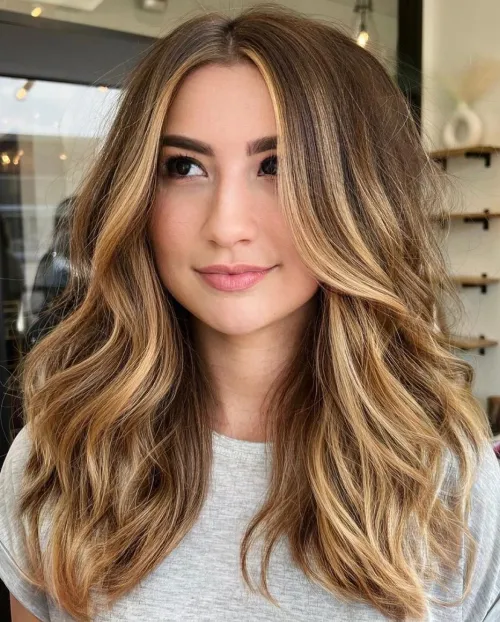
Day 2 and day 3 are where most 2A clients lose the wave to frizz. The fixes:
- Sleep on silk or satin. Cotton pillowcases create friction that disrupts the wave overnight. Silk or satin pillowcases (or a silk bonnet for committed routines) are one of the highest-impact swaps for 2A clients.
- Use a hair tie sparingly. Pulling 2A hair back tight at the root flattens the wave at the crown. Loose buns and silk scrunchies are gentler.
- Refresh with water spray + a small amount of leave-in. A spray bottle with water (and optionally a few drops of leave-in conditioner) brings back day-1 wave on day 2 or 3. Spray the wave pattern, gently scrunch, let air-dry.
- Don’t brush dry hair. Ever. Use fingers to detangle. A brush on dry 2A hair instantly frizzes the wave.
- Avoid touching it constantly. Hand-to-hair contact transfers oil and disrupts the wave’s natural structure. Most 2A clients touch their hair way more than they realize.
The Product Weight Trap
Most 2A clients try curly-girl-method routines first because that’s what the internet recommends. The problem is that those routines are built for 3A, 3B, and 3C hair — denser, tighter curls that need heavier products to define and hydrate.
2A hair gets weighed down by those same products. A heavy curl cream that defines 3A ringlets beautifully will leave 2A waves looking limp and greasy. The fix is lighter weight at every product step:
- Light or medium-weight leave-ins, not heavy creams
- Mousses or watery curl creams, not thick curl gels
- Lightweight gels (look for “soft hold” labeling), not maximum-hold gels
- Oils used sparingly — a few drops to break the gel cast, not as a daily styling product
If you’ve been using curly-girl-method products and your hair looks weighed down, switching to lighter alternatives often solves more frizz than any other change. Our piece on common haircare mistakes for curly hair covers some of the routine missteps that overlap with 2A — useful for identifying what to drop.
When Heat Styling Is Actually OK
2A clients sometimes want a sleek blowout or curling iron look for specific occasions. That’s fine — the trick is doing it strategically, not daily.
For a smooth blowout look, our blowout longevity guide covers the at-home pieces. For salon blowouts that hold longer with less heat, a professional blowout at Numi includes a smoothing serum + low-heat technique that’s gentler on 2A than at-home methods.
For clients who want to spend less daily time fighting frizz, a smoothing treatment like a formaldehyde-free Keratin Complex treatment can be a meaningful change. The treatment doesn’t eliminate the wave entirely — it relaxes it just enough that frizz is dramatically reduced and air-drying produces a smoother, more polished result. For 2A specifically, this is often the right answer for clients who can’t sustain the 7-step routine daily.
The Westchester Humidity Reality
Westchester summers run humid. 2A hair in 70%+ humidity is going to frizz more than 2A hair in dry winter air — that’s physics, not a routine failure. The two adjustments that help most in humid months:
- Use a slightly stronger gel. A medium-hold gel during humid months holds the wave cast longer than a soft-hold gel can.
- Add an anti-humidity spray as the final step. A light mist of an anti-humidity spray after styling extends frizz resistance for several hours.
In winter, the opposite is true — dry indoor heat causes its own dryness frizz. Add a deep conditioning treatment to your weekly routine during heating season.
Book a 2A wave consultation at Numi
If your 2A waves aren’t behaving and you’ve tried the routines without lasting results, a consultation with one of our stylists can identify what’s happening with your specific hair — and whether a smoothing service, a cut adjustment, or a routine swap is the right next step. Consultations are free.
Call 914-574-6402 or book online to schedule.
FAQ
What’s the best way to dry 2A hair without frizz?
The two methods that work best are plopping (wrapping the hair in a cotton t-shirt on top of your head for 15-30 minutes after applying product) and diffusing on low heat without touching the hair. Both protect the wave structure while letting moisture evaporate. The methods to avoid: rubbing with a terry cloth towel, blow-drying without a diffuser, or touching the hair while it dries — all three guarantee frizz on 2A. If you’re air-drying without plopping, leave the hair completely alone for at least 30 minutes after applying product. Touching damp 2A hair is the surest way to frizz it.
Do I need curly-girl products for 2A wavy hair?
Not exactly — and using curly-girl products designed for tighter textures often makes 2A worse. The curly-girl method’s general principles (avoiding sulfates, drying gently, using gel for hold) translate well to 2A, but the products themselves are usually too heavy. Look for the curly-girl approved products specifically labeled for fine or wavy hair rather than picking the most popular curl creams. Mousses generally work better than heavy curl creams on 2A. Lightweight gels work better than thick styling gels. Lighter weight at every product step gives 2A its best result.
How often should I wash 2A wavy hair?
Most 2A clients do best at 2-3 washes per week. Daily washing strips the natural oils that 2A hair already produces less of than tighter textures — the result is dry, frizzy, weakened hair within weeks. On non-wash days, refresh with a spray bottle of water plus a few drops of leave-in conditioner. If your hair feels oily by day 3, a clarifying or chelating wash once every 1-2 weeks resets buildup. If you exercise daily, rinse with water only between full washes — no shampoo needed.
Why does my 2A hair lose its wave by lunch?
Two most common causes. First, skipping the gel cast — without a gel sealing the wave shape while it dries, the hair structure isn’t fixed and loses pattern as it’s touched or moved through the day. Second, the gel cast is being broken too aggressively after drying. Use a small amount of lightweight oil to gently squeeze the dry hair and break the cast just enough to soften it — don’t scrunch heavily, which collapses the wave back to flat. If both fixes are in place and waves still don’t hold, the issue is usually heat damage from regular flat-iron use — recovery requires reducing heat tool frequency for several months.
Can a keratin treatment work on 2A wavy hair?
Yes, and many 2A clients find it transformative. A formaldehyde-free keratin treatment (like Keratin Complex or Magic Sleek) relaxes the wave just enough to dramatically reduce frizz, smooth the cuticle, and make air-drying produce a more polished result. The wave doesn’t disappear entirely — it softens. For 2A clients who don’t want to spend 30 minutes styling every wash day, this is often the right answer. Treatments last 3-5 months depending on hair texture and wash frequency. Book a consultation to confirm whether the treatment fits your specific hair before committing.
Categories
Recent Posts
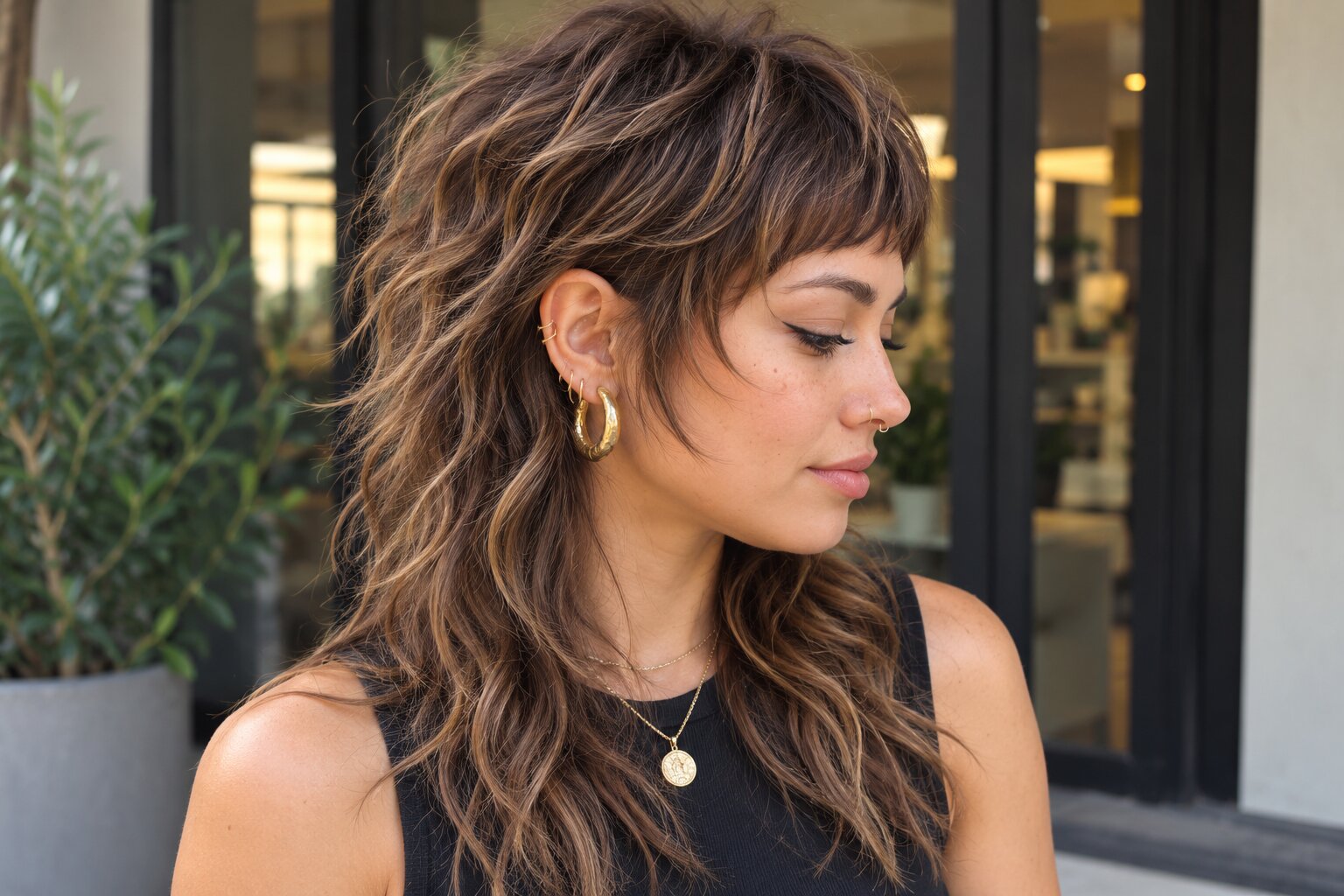
A shullet is a shag and a mullet combined. It [...]
Y2K hairstyles are already back. Claw clips, center parts, face-framing [...]

Micro bangs are a very short fringe cut well above [...]