



Thinning Hair: Causes, Solutions, and What Actually Works
Short Answer
Thinning hair usually comes down to one or more of six causes: genetics, stress, hormonal changes, nutrient deficiencies, certain medications, and diet or lifestyle habits. Many are manageable once you know the trigger. For significant or sudden loss, see a dermatologist or trichologist to find the root cause — and a salon can help you disguise thinning right now with a flattering cut and volumizing styling while treatment takes effect.
Thinning hair can shake your confidence, and while some thinning is a natural part of aging, understanding what’s driving it is the first step to managing it well. Below are the most common causes of thinning hair, what you can do about each, and when it’s time to see a professional.
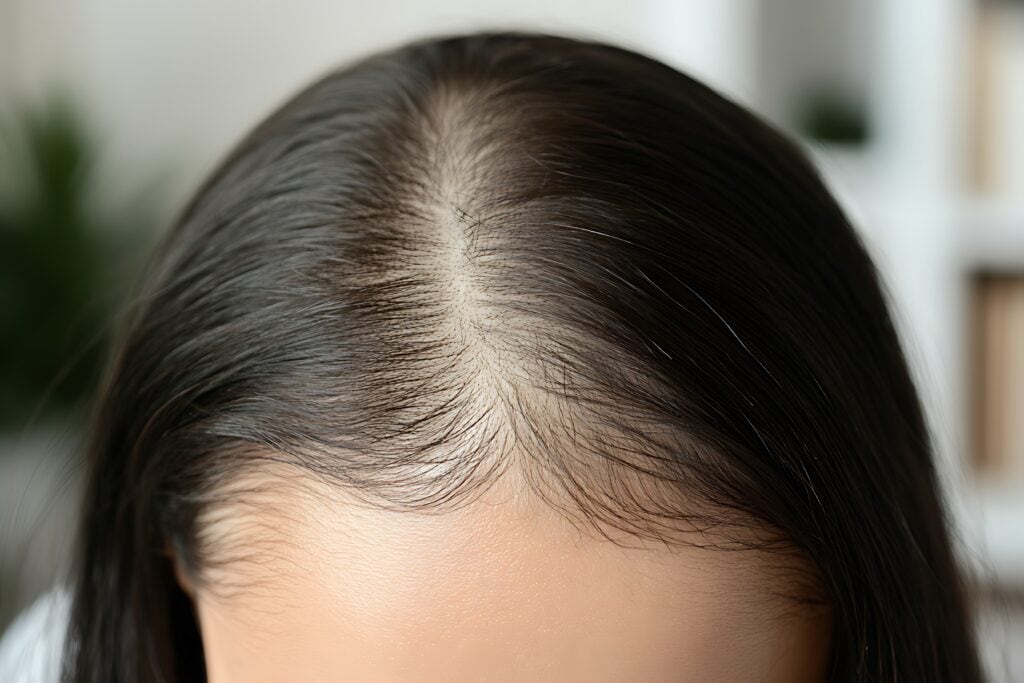
Common Causes of Thinning Hair
Genetics
Genetics strongly influence hair thickness and density. If thinning runs in your family, you may be predisposed to it — often called male or female pattern baldness, which is hereditary and comes on gradually. Knowing your family history of hair loss gives you insight into your own susceptibility.
Stress
High stress can trigger a condition called telogen effluvium. During illness, trauma, or major life changes, hair follicles can prematurely enter the resting phase, causing excess shedding and visible thinning a few months later. Managing stress with rest, exercise, and relaxation helps hair recover — telogen effluvium is usually temporary.
Hormonal Changes
Hormone fluctuations — especially in women — can thin hair. Pregnancy, childbirth, menopause, and conditions like polycystic ovary syndrome (PCOS) disrupt the growth cycle, increasing shedding and reducing density. A doctor can help address hormonal imbalances behind the thinning.
Nutrient Deficiencies
Healthy hair needs the right building blocks. Deficiencies in iron, zinc, vitamin D, and biotin can all contribute to thinning — iron deficiency in particular is closely tied to telogen effluvium. Nutrient-rich foods (or supplements where needed) support stronger growth:
- Iron: lean meats, poultry, fish, beans, fortified cereals.
- Zinc: nuts, seeds, whole grains, legumes.
- Vitamin D: sun exposure, dairy, fatty fish, fortified foods.
- Biotin: eggs, nuts, seeds, leafy greens.
Medications
Some medications list hair thinning or loss as a side effect, including:
- Chemotherapy drugs
- Anticoagulants
- Antidepressants
- Hormonal medications
- Immunosuppressants
- Acne medications
If you think a medication is thinning your hair, talk to your healthcare provider before changing anything — they may adjust the dose or suggest an alternative. Never stop a prescription on your own.
Diet and Lifestyle
Beyond genetics and medical factors, your diet and lifestyle habits shape hair health too:
- Poor nutrition: a diet short on vitamins, minerals, protein, and healthy fats weakens follicles. Eat a balanced diet to support growth.
- Excessive styling: heat tools, harsh chemical treatments, and tight styles damage the shaft and cause breakage. Limit heat and choose looser styles.
- Smoking: the chemicals in cigarettes can damage follicles and slow growth. Quitting helps overall — and may reduce thinning over time.
- Chronic stress: ongoing stress disrupts the growth cycle. Meditation, movement, and time outdoors all help.
- Scalp health: a clean, balanced scalp is the foundation of thick hair. Wash regularly with a gentle shampoo, and a scalp massage boosts blood flow. A professional scalp or bond-strengthening treatment can make existing hair look and feel fuller.
When to See a Professional
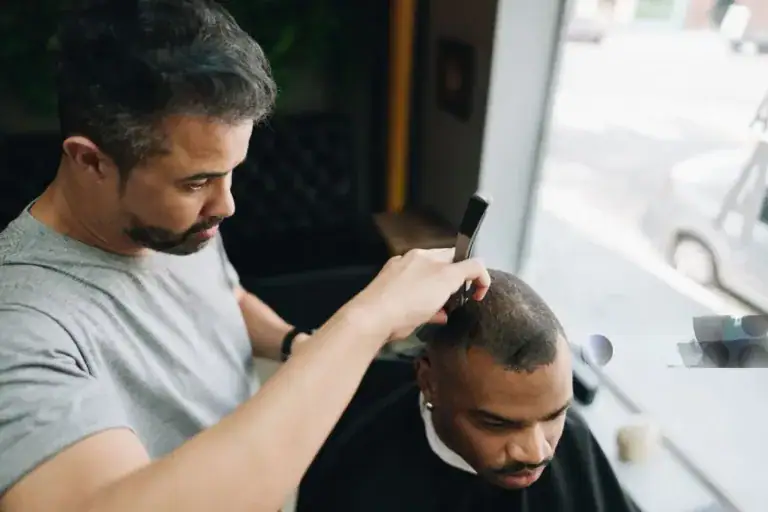
If you’re seeing significant or sudden thinning, start with a dermatologist or trichologist. They can assess your hair and scalp, identify the underlying cause, and recommend medical options — topical or oral treatments, laser therapy, or, in some cases, transplant surgery. That medical diagnosis comes first.
Alongside that, the right cut and styling can disguise thinning immediately, while treatment takes months to show. At an award-winning salon like Numi Hair, our stylists tailor women’s and men’s cuts to add the look of density — and our guide on how to cover thinning hair with the right cut and styling covers exactly what stylists recommend for both.
Considering a product or in-salon treatment for thinning? Read what to know before getting a thinning-hair treatment first, and if you’re an older client, our guide to haircuts for older women with thin hair is tailored to you.
Want a cut that makes thinning hair look fuller?
Our Scarsdale stylists specialize in cuts and styling that add the look of density — plus scalp and bond treatments that strengthen the hair you have. Book a consultation or call 914-574-6402.
69 Harney Road, Scarsdale, NY 10583 · 4.9★ (2,400+ Google reviews) · Multiple Best of Westchester awards · Top 100 Salon in the U.S.
Frequently Asked Questions
Are genetics a significant factor in hair thinning?
Yes — genetics strongly influence hair thickness and density. If thinning runs in your family, you may be genetically predisposed. This is often called male or female pattern baldness, which is hereditary and typically comes on gradually.
Can stress contribute to hair thinning?
Yes. High stress — from illness, trauma, or major life changes — can push hair follicles into their resting phase early, a condition called telogen effluvium. It shows up as excess shedding a few months later. The good news: it’s usually temporary, and hair recovers once the stress eases.
How do hormonal changes affect hair thinning?
Hormone fluctuations, especially in women, can thin hair. Pregnancy, childbirth, menopause, and conditions like PCOS disrupt the growth cycle, leading to increased shedding and reduced density. A doctor can help address the underlying imbalance.
What role do nutrient deficiencies play in hair thinning?
Deficiencies in iron, zinc, vitamin D, and biotin can all contribute to thinning and loss. Iron deficiency in particular is closely linked to telogen effluvium. A balanced, nutrient-rich diet gives your hair the building blocks it needs to grow strong.
Numi Hair Salon is located at 69 Harney Road, Scarsdale, NY 10583 — off the Bronx River Parkway. We help clients across Westchester County style thinning and fine hair to look its fullest. For medical hair loss, always consult a dermatologist or trichologist.
Categories
Recent Posts
A blunt cut is hair cut straight across at one [...]
A shullet is a shag and a mullet combined. It [...]

Y2K hairstyles are already back. Claw clips, center parts, face-framing [...]