



Does a Keratin Treatment Cause Hair Loss? The Real Answer
Short Answer: A properly applied keratin treatment does not cause hair loss from the follicle. Keratin treatments coat and bond to the hair shaft above the scalp — they don’t penetrate the follicle, alter the hair growth cycle, or trigger shedding the way certain medications, hormonal shifts, or scalp conditions can. What keratin treatments can do, when applied improperly or paired with rough aftercare, is cause breakage. Breakage looks dramatically like hair loss in the mirror — shorter pieces, thinner ends, a ponytail that feels lighter — but the cause is mechanical or chemical damage to the hair shaft, not anything happening at the root. The fix is also different. So when a client asks, “does keratin treatment cause hair loss” — the honest answer is: rarely true loss, occasionally breakage, and almost always preventable when the treatment is done by a stylist who knows what they’re doing.
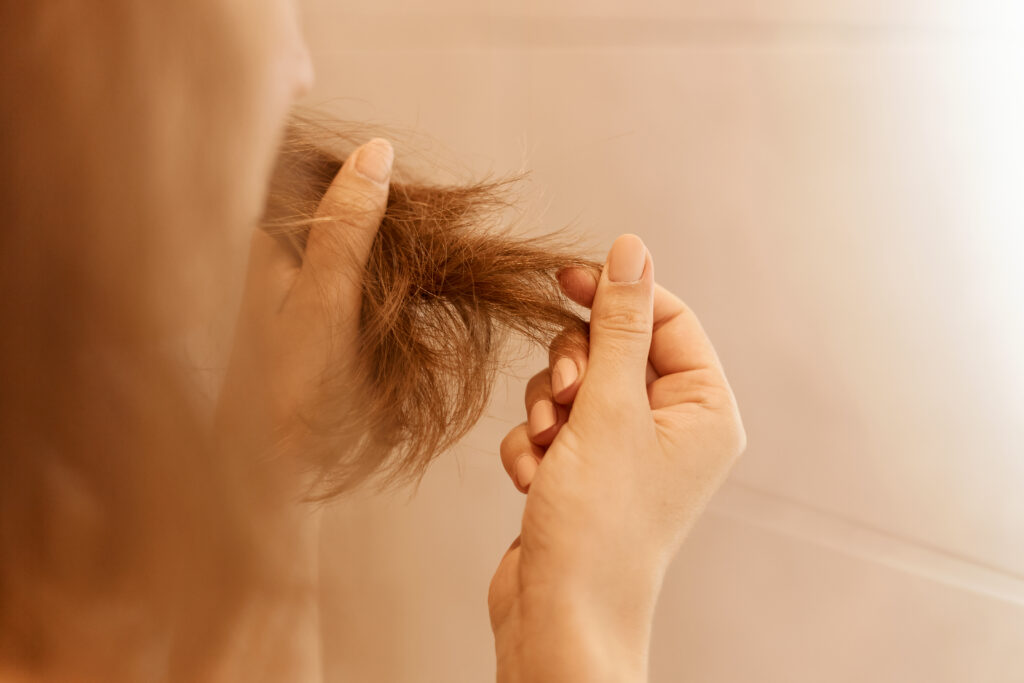
Hair Loss vs. Breakage: Why This Distinction Matters
It’s worth taking a minute on this, because the confusion drives a lot of anxiety in our consultation chair.
True hair loss (shedding) happens when a hair releases from the follicle and falls out with the root attached — you’ll often see a small white bulb at the end. Losing 50–100 hairs a day is normal according to the American Academy of Dermatology. Losing significantly more, in clumps, or in patches, is a sign of something systemic: hormones, stress, thyroid issues, nutritional deficiency, postpartum changes, medications, or genetic patterns. A scalp doctor (dermatologist or trichologist) is the right person to investigate that. A stylist isn’t.
Breakage happens when a hair snaps somewhere along the shaft, leaving the root in place. The piece that comes out won’t have a bulb — it’ll be a clean (or frayed) break in the middle or end of the strand. Breakage shows up as flyaways, frizzy short hairs around your hairline and crown, split ends, and a generally thinner-feeling ponytail. The hair will grow back, because the follicle is fine — but it takes time, and prevention is much easier than recovery.
A keratin treatment, when something goes wrong, will cause breakage — not hair loss. Knowing which one you’re seeing is the first step to fixing it.
When Keratin Treatments Actually Damage Hair (And Why)
We tell every consultation client this honestly: keratin treatments are not zero-risk services. They involve heat, chemistry, and a stylist’s hands — and any of those can go wrong. Here are the realistic scenarios where a keratin treatment leads to breakage clients mistake for hair loss:
- Over-processing. Leaving the product on too long, applying it to over-bleached or already-compromised hair, or layering it over recent chemical services without enough recovery time can weaken the shaft. This is the single most common cause of post-keratin breakage we see in clients who come to us from another salon.
- Excessive heat during sealing. Most keratin systems are sealed with a flat iron between 380°F and 450°F. The right temperature depends on the product and the client’s hair condition. Using max heat on fine or fragile hair to “lock it in better” damages the cuticle and sets up breakage weeks later.
- Wrong product for the hair type. A traditional formaldehyde-based keratin works differently than a glyoxylic-acid-based formaldehyde-free smoothing. Putting the wrong system on highly textured, color-treated, or relaxed hair is one of the fastest ways to compromise integrity.
- Aggressive brushing or pulling during application. A rushed stylist who combs hard through wet product-saturated hair can mechanically stress strands at their most vulnerable moment.
- Poor aftercare. This one’s on the client — sometimes. Using sulfate shampoos, swimming in chlorine, sleeping on cotton pillowcases, or tying wet hair up tightly in the first 72 hours can all sabotage even a perfect treatment.
If any of these happens, you might see breakage in the weeks following your appointment. That breakage can absolutely look like thinning to the untrained eye — but it isn’t hair loss, and a good stylist can usually trace it back to a specific cause.
What Healthy Post-Keratin Hair Should Look Like
When a keratin treatment is done right on appropriate hair, here’s what you should actually see:
- Hair that feels smoother and more cohesive, not thinner
- A ponytail that feels the same weight as before (maybe slightly heavier from the product bonding to the cuticle)
- Less daily shedding in the shower for a few weeks — because hairs that were going to break off mid-shaft are now reinforced
- Reduced frizz, faster blow-dry time, and better humidity resistance
- Gradual softening over 8–12 weeks as the treatment wears down naturally
If your hair feels noticeably worse a week or two after a keratin — straw-like, breaking off, snapping in the brush — something went wrong in the chair, and you should talk to the stylist who did it. A reputable salon will work with you to diagnose and rebuild.
Our post on what to expect with a keratin treatment before and after service walks through this in more detail, including the aftercare window that protects your investment.
What Actually Causes Hair Loss (So You Can Rule It Out)
If you’re seeing real shedding — hairs with bulbs, more than 100 a day, visible scalp where it wasn’t visible before — keratin almost certainly isn’t the cause. The actual culprits are usually:
- Telogen effluvium — a temporary shedding triggered by stress, illness, surgery, rapid weight loss, or hormonal shifts. It typically shows up 2–3 months after the trigger and resolves within 6 months.
- Postpartum shedding — extremely common around 3–4 months after giving birth as estrogen levels drop. Not permanent.
- Thyroid imbalances — both hyper- and hypothyroidism can cause shedding.
- Iron, vitamin D, or B12 deficiencies — bloodwork can rule these in or out quickly.
- Androgenetic alopecia (female or male pattern thinning) — genetic and progressive, often shows up at the crown or hairline.
- Medication side effects — certain antidepressants, blood pressure meds, hormonal birth control changes, and others.
- Scalp conditions — seborrheic dermatitis, psoriasis, traction alopecia from tight styling, or fungal infections.
Notice what’s not on that list: keratin treatments. If a client comes in worried about shedding and we suspect any of the above, we send them to a dermatologist before doing any chemical service.
How to Protect Your Hair Through a Keratin Treatment
If you’ve decided a keratin is right for you, a few things stack the odds in your favor:
- Choose an experienced stylist. This is the biggest one. A stylist who’s done thousands of keratin treatments can read your hair, choose the right product, and adjust heat in real time.
- Be honest about your hair history. Tell your stylist about every box dye, balayage, relaxer, perm, and previous keratin. We can’t protect what we don’t know about.
- Don’t stack chemical services. Color first, then wait at least two weeks before a keratin (or do them in the right order with proper bond-builders). Our breakdown on coloring hair after a keratin treatment covers the timing in detail.
- Follow the aftercare window. No washing for 48–72 hours depending on the system, sulfate-free shampoos after, no tight ponytails or clips, silk or satin pillowcase, no chlorine for at least a week.
- Book maintenance, not overlap. Don’t redo a keratin before the previous one has worn off. Our guide on how often you can get keratin treatments lays out reasonable timelines.
If you have curly hair and you’ve been told keratin will “ruin your curls” or cause damage, that’s worth a separate conversation — modern formaldehyde-free systems handle curly hair much better than older formulas. Our post on keratin treatments for curly hair breaks down what to expect. If you’d like to see what we offer in-house, the full keratin treatment menu at Numi Hair Salon lists every system we carry and which hair types they work best on.
FAQ
Does keratin treatment cause hair loss from the follicle?
No. Keratin treatments work on the hair shaft above the scalp — they bond to the cuticle and smooth the strand, but they don’t penetrate the follicle, alter the hair growth cycle, or trigger shedding from the root. True hair loss is driven by hormones, genetics, medications, thyroid issues, nutritional deficiencies, or scalp conditions, not by a topical smoothing treatment. If you’re seeing genuine shedding (hairs with white bulbs at the root, more than 100 a day, visible scalp), see a dermatologist — keratin almost certainly isn’t the cause.
Why does my hair look thinner after a keratin treatment?
Most likely you’re seeing breakage, not loss. Breakage looks similar in the mirror — shorter pieces around the hairline, flyaways, a ponytail that feels lighter — but the cause is the hair shaft snapping, not the follicle releasing. Common triggers include over-processing, excessive heat during sealing, applying keratin over already-damaged hair, or poor aftercare in the first 72 hours. Breakage grows back. A bond-building treatment series and protective aftercare will help rebuild while it does.
How can I tell if I’m seeing breakage or hair loss?
Look at the ends of the hairs that come out. If they have a small white bulb at the root end, that’s true shedding from the follicle — which is normal up to about 100 hairs a day, and a sign of something else if it’s much more. If the hairs are short, broken in the middle, with no bulb, that’s breakage from the shaft — and that’s what bad keratin work causes. Breakage shows up as frizzy short pieces around your hairline, crown, and part. Shedding shows up as longer, intact hairs falling out.
What should I do if I think my keratin treatment caused breakage?
First, contact the stylist who did the treatment. A reputable salon will want to assess the hair, identify what went wrong, and help you rebuild — that’s part of standing behind your work. Second, stop all heat styling and chemical services until the breakage stabilizes. Third, start a bond-building regimen at home (Olaplex No. 3, K18, or a comparable repair treatment) once or twice a week. If the breakage is severe or paired with scalp irritation, see a dermatologist to rule out anything beyond the treatment.
Are some keratin treatments safer than others when it comes to breakage?
Yes. Formaldehyde-free systems built on gentler chemistry (Keratin Complex, Magic Sleek, Lasio’s formaldehyde-free line) generally cause less stress on the hair shaft than traditional formaldehyde-based formulas. The stylist matters more than the brand, though — a skilled stylist using a traditional keratin on appropriate hair is safer than a rushed stylist using a “safer” product on hair that shouldn’t be processed. Ask about the system, the developer strength, and the bond-builders being mixed in before you book.
Categories
Recent Posts
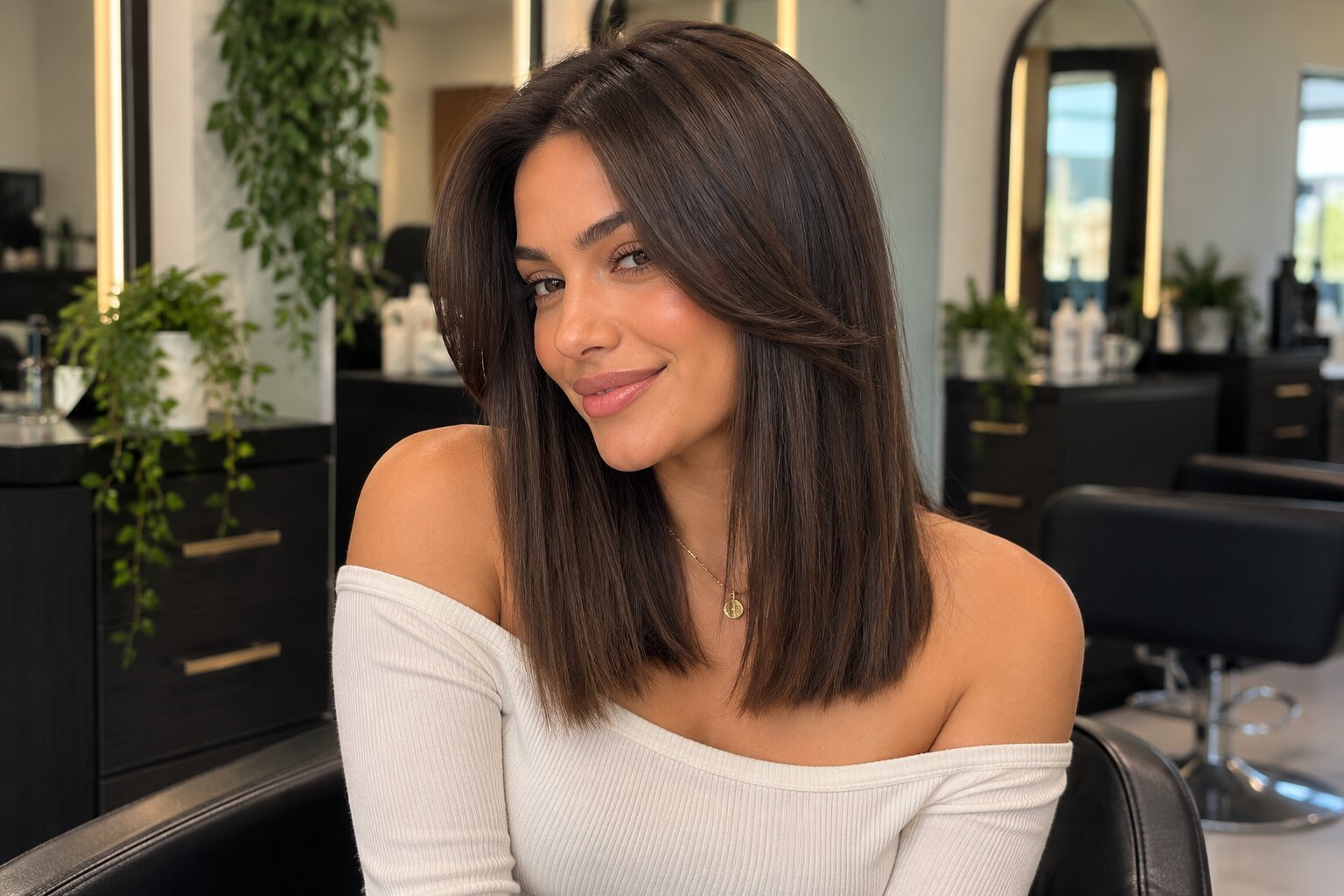
A blunt cut is hair cut straight across at one [...]
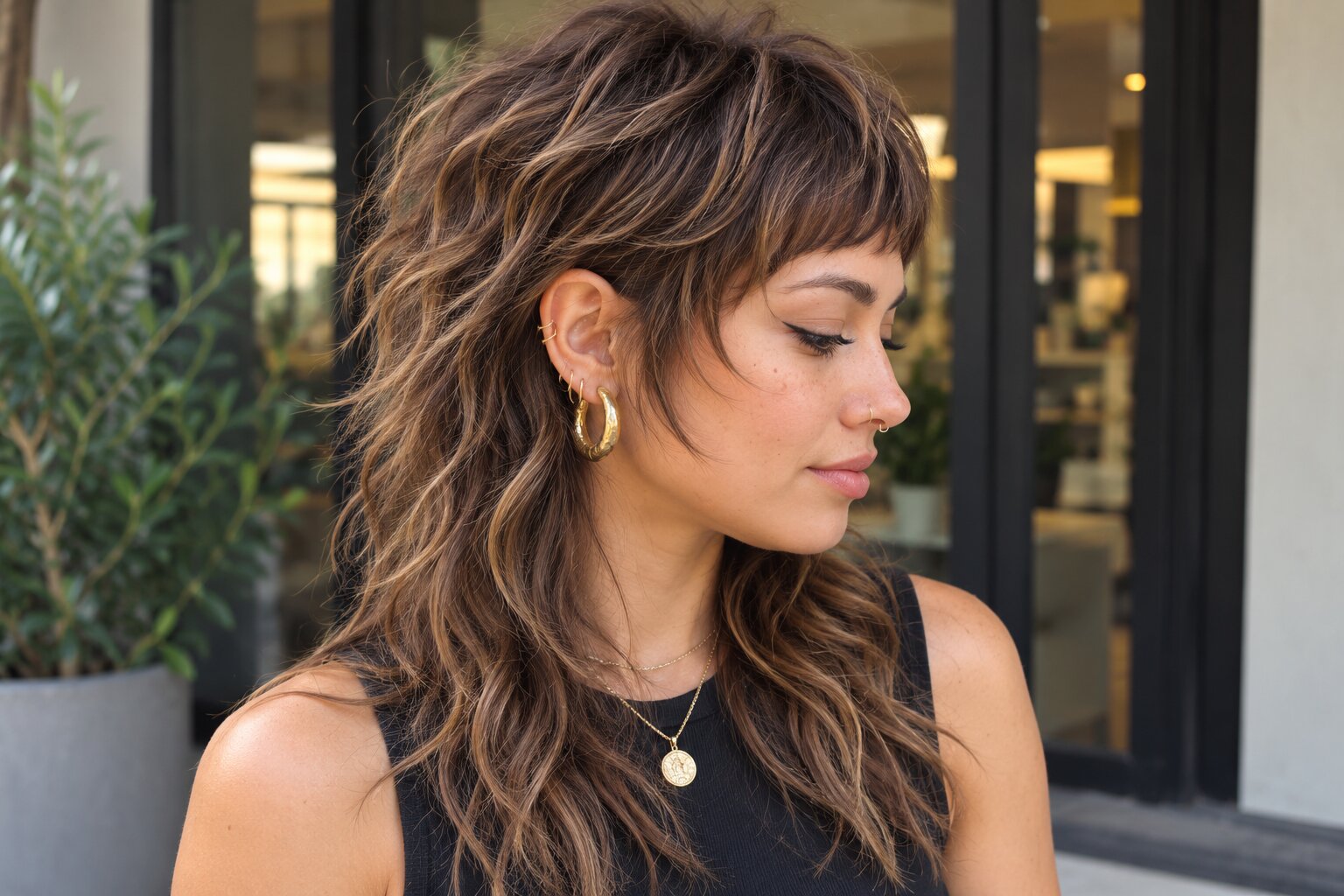
A shullet is a shag and a mullet combined. It [...]

Y2K hairstyles are already back. Claw clips, center parts, face-framing [...]