



Why Is My Scalp Itchy Even After I Wash It? Causes + Fix
Short Answer: A scalp itch after washing usually comes from one of six causes: product buildup that shampoo didn’t fully remove, hard water mineral residue, sulfate or fragrance irritation, a fungal imbalance like seborrheic dermatitis, sensitivity to recent color or chemical service, or simple dryness. The fix depends on the cause. Clarifying once every two weeks handles buildup. A shower filter handles hard water. A swap to a sulfate-free, fragrance-free formula handles irritation. Persistent itch that doesn’t respond to product changes — especially with flaking, redness, or burning — is worth a stylist consultation and possibly a dermatologist visit. A normal scalp does not itch after a proper wash.
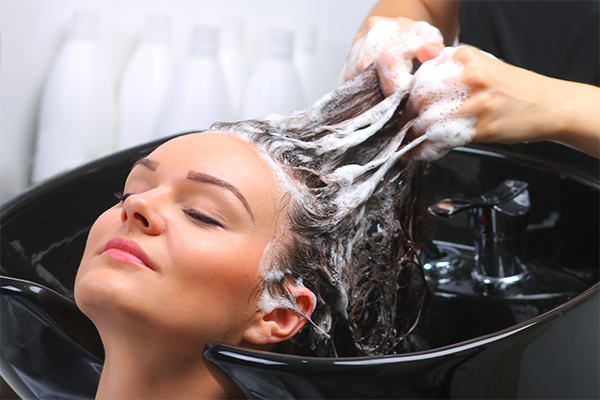
The 6 Real Causes of Scalp Itch After Washing
Almost every case of a scalp that itches even after washing traces back to one of six things. Most clients we see at Numi & Company in Scarsdale fall into the first three.
1. Product Buildup
Dry shampoo, leave-in conditioner, hair oil, styling cream, hairspray, and even rinse-out conditioner can stack up at the root. Regular shampoo isn’t always strong enough to lift it all.
2. Hard Water Residue
Westchester County water is moderately hard, and the calcium and magnesium minerals bond to hair and scalp. The result is a film that traps oil, dries the skin underneath, and itches.
3. Sulfate or Fragrance Irritation
Strong surfactants strip the scalp’s protective oil layer. Synthetic fragrance is a common contact irritant. Either can cause itch that feels worse right after a wash, not better.
4. Fungal Imbalance
Malassezia is a yeast that lives on every scalp. When it overgrows, you get seborrheic dermatitis — itch, flaking, sometimes redness. Regular shampoo doesn’t address it.
5. Sensitivity From Recent Color or Chemical Service
A scalp that itches in the days following a color, perm, or relaxer service is reacting to the chemistry. This is usually short-term but can persist with repeated exposure.
6. Dryness
Over-washing, hot water, or low-humidity winters in Westchester strip natural oils faster than the scalp can replace them. Dry skin itches — same on the head as on the rest of the body.
How to Tell Which Cause Is Yours
The fastest diagnostic isn’t a product — it’s a question. When does the itch start, and what makes it stop? Each cause has a signature.
Itch is worst right after you wash, then settles down. That’s usually sulfate or fragrance irritation. The wash itself is the trigger. A swap to a sulfate-free, fragrance-free shampoo (Davines, Oribe, and Kerastase all carry options Numi stocks) usually resolves it within two or three washes.
Itch starts a day or two after washing and gets worse the longer you wait. That’s product buildup or hard water residue. The scalp is reacting to the film, not the wash. A clarifying shampoo once every one to two weeks pulls the residue off. A chelating shampoo (specifically formulated to bind to minerals) handles the hard water version.
Itch comes with visible flakes, oily patches, or yellow scale. That’s seborrheic dermatitis — the fungal overgrowth scenario. Standard shampoo won’t touch it. The American Academy of Dermatology covers the basics on their scalp care resource page, and a dermatologist can prescribe an antifungal wash if over-the-counter options fall short.
Itch started after a recent color, relaxer, or keratin appointment. That’s a chemical sensitivity reaction. If it’s the first time you’ve reacted, mention it to your colorist before your next service — there are gentler formulas, including ammonia-free options, that often solve it.
Itch comes with tight, dry feeling and no flakes. That’s dryness. Cut the hot water, drop your wash frequency, and add a weekly scalp oil treatment.
Why “Just Washing More” Makes It Worse
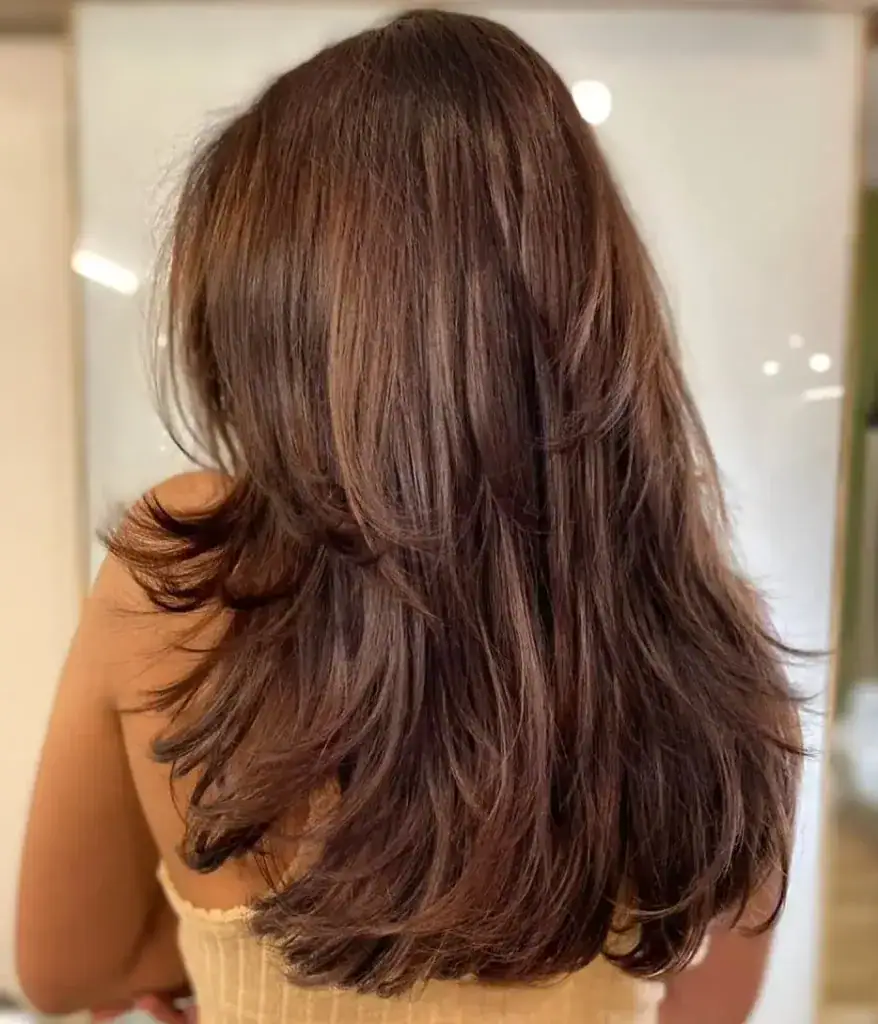
The instinct when a scalp itches is to wash it again. That almost never helps, and usually makes it worse. Every wash strips the scalp’s natural sebum layer, which is the same layer that protects against irritation, dryness, and microbial overgrowth in the first place. Wash too often and the scalp responds by producing more oil to compensate — which then traps more product, more buildup, and more potential irritants. You end up with greasier, itchier hair faster than before.
The honest target for most adults in Westchester is two to three washes per week, with a clarifying or chelating wash worked in every one to two weeks depending on water and product habits. The exception is athletes, people with very fine or oily hair, and anyone doing daily heavy workouts — they may need more, but they also need a gentler daily shampoo.
The Clarifying + Chelating Reset
If you can’t pinpoint the cause but you want to try the most likely fix first, the move is a one-time reset. Here’s what we recommend at Numi:
- Use a clarifying shampoo. Apply twice, lather thoroughly at the roots, leave it on for two minutes before rinsing. This pulls product residue off the scalp.
- Follow with a chelating shampoo if you’re on hard water. Most Scarsdale, White Plains, and Eastchester homes are on moderately hard water. A chelating wash binds to and removes the mineral film.
- Deep condition mid-lengths to ends only — not the scalp. The scalp produces its own conditioning oils. Adding more conditioner there feeds buildup.
- Air-dry or low-heat dry. Hot blow-drying right after a clarifying wash can re-irritate skin that’s just been stripped.
- Wait three to five days, then re-evaluate. If the itch is gone, buildup or hard water was your cause. If it’s still there, you’re in the irritation or fungal category and need a different approach.
This reset works for the majority of cases. If you want a starting point on shampoo selection generally, our piece on what to avoid in shampoo walks through ingredient labels — useful even for non-curly hair, because the irritants overlap.
How Your Color or Chemical Service Plays In
Color, highlights, keratin treatments, and relaxers all introduce chemistry to the scalp. Most people tolerate them without issue. But a meaningful minority develop a slow sensitivity over time, and the first sign is usually a scalp that itches after washing for a week or so following the service.
If that pattern is yours, the fix usually isn’t to stop coloring — it’s to adjust the formula. Ammonia-free color (like INOA), demi-permanent options, and balayage placements that keep lightener off the scalp are all worth trying. A glaze refresh, which is gentler than highlights, can extend color life without re-triggering the scalp. Our glaze service page walks through how a gloss works and when it makes sense as part of a color maintenance routine.
For clients who keratin-treat regularly, a formaldehyde-free formula is the clearest path to reduced scalp reaction. Magic Sleek and Keratin Complex formaldehyde-free options both perform on par with traditional Brazilians for smoothing without the same scalp burn.
When the Itch Won’t Quit — When to See a Dermatologist
Most scalp itch resolves with product and routine changes. Some doesn’t. The signs that mean it’s time to see a dermatologist rather than try one more shampoo:
- Itch that’s persisted longer than four weeks despite changing products
- Visible flaking that’s yellow, oily, or comes off in sheets
- Redness, raw patches, or skin that hurts when you touch it
- Hair loss in the itchy area
- Itch that wakes you up at night
- Spreading to the face, ears, or chest
Those are markers of conditions — seborrheic dermatitis, psoriasis, eczema, or in rare cases, fungal infections — that need a prescription treatment, not just a different shampoo. The AAD’s general hair and scalp care guidance is a reasonable starting point, but persistent symptoms genuinely warrant a clinical visit. A dermatologist consultation is short, the prescriptions are inexpensive, and the relief is usually fast once the right product is on the scalp.
What to Tell Your Stylist at Your Next Appointment
If you’re coming in for a color, cut, or treatment service at Numi and you’ve been dealing with scalp itch, mention it before we start. Three things make a difference:
- When the itch started — before or after a recent service, after a product change, after a season shift
- What products you’re currently using — shampoo, conditioner, dry shampoo, leave-in, styling products, oils
- How often you wash — frequency matters as much as product
Most of the time we can identify the cause from those three answers and either adjust the formula for your service or recommend a product swap for at home. For clients who want a structured walk-through of caring for hair through Westchester’s specific climate and water, our piece on maintaining healthy hair in Westchester County covers the seasonal pieces, and the seasonal hair care guide handles the winter dryness piece specifically.
Book a scalp consultation at Numi
If your scalp itch isn’t responding to product changes, twenty minutes with one of our stylists can usually narrow down the cause. We assess your scalp condition, current product routine, and recent service history — then walk you through what to change. Consultations are free and don’t require a service booking.
Call 914-574-6402 or book online to schedule.
FAQ
Why does my scalp itch right after I wash my hair?
Itch that’s worst immediately after washing usually points to the shampoo itself. Sulfates are strong surfactants that strip the scalp’s protective oil layer, and synthetic fragrance is one of the most common contact irritants in personal care products. Either can leave the scalp raw and itchy within minutes of rinsing. The fix is usually a swap to a sulfate-free, fragrance-free shampoo — most professional salon brands (Davines, Kerastase, Oribe) carry gentle options. If the itch persists across two or three different sulfate-free formulas, the issue is probably not the shampoo but underlying scalp dryness or a fungal imbalance.
Can hard water make my scalp itch after washing?
Yes — and it’s one of the more common causes in Westchester County. Moderately hard water leaves calcium and magnesium mineral residue on the hair and scalp after rinsing. The mineral film traps oil, dries out the skin underneath, and creates a slow, persistent itch that doesn’t quit no matter how often you wash. A chelating shampoo (which binds to and removes minerals) used once every one to two weeks resolves most hard-water itch. A shower filter is a more permanent fix and also helps preserve color between salon visits.
How often should I clarify if my scalp itches?
For most adults, once every one to two weeks is the right cadence. More frequent clarifying strips the scalp’s natural sebum layer and can actually cause itch rather than resolve it. If you use a lot of styling product, dry shampoo, or oils, you may benefit from weekly. If you wash sparingly and use minimal product, every other week or even monthly is fine. Pair clarifying with a deep conditioning treatment on the mid-lengths and ends (not the scalp) the same wash to protect the hair while resetting the scalp.
Is itchy scalp after washing the same as dandruff?
Not always. Dandruff specifically refers to flaking caused by a fungal overgrowth (Malassezia) and is one cause of scalp itch — but only one. Itch without flaking is more often product buildup, hard water, irritation, or dryness. The way to tell: if you see visible white or yellow flakes on your shoulders or in your part within a day of washing, that’s likely dandruff and a medicated shampoo (ketoconazole, zinc pyrithione, selenium sulfide) is the next step. If there’s no visible flaking, look at product and water causes first.
Could my hair color be causing my scalp itch?
Yes — and the pattern usually shows up in the days after a color service rather than immediately. If your scalp itches for several days following each color or highlight appointment, and the itch fades before your next service, you’re likely sensitive to one or more chemicals in the formula. The fix is rarely to stop coloring. Switching to an ammonia-free formula like INOA, choosing balayage over root-touchups (so the lightener stays off the scalp), or shifting to a demi-permanent gloss for color refreshes usually solves it. Mention it to your colorist at your next appointment so they can adjust the formula.
Categories
Recent Posts

Micro bangs are a very short fringe cut well above [...]
A 90s blowout is a blow dry style with big, [...]

A modern shag haircut is a layered cut with soft, [...]