



Wavy Hair + Humidity = Frizz: Here’s How to Stop It
Short Answer: Wavy hair frizzes in humidity because the hair shaft is porous — water molecules from humid air enter through gaps in the cuticle, swelling the inner cortex unevenly and lifting the cuticle scales. The result is fuzz, expansion, and loss of wave definition. The fix is sealing the cuticle so air moisture can’t get in: use an anti-humidity styling product (look for ingredients like dimethicone, hydrolyzed wheat protein, or silk-derived polymers), apply gel during styling to create a hold cast, and consider a smoothing treatment (formaldehyde-free keratin or Brazilian blowout) for permanent humidity resistance through summer. Hair that’s damaged is more porous and frizzes more — so bond-repair treatments and reduced heat use also help.
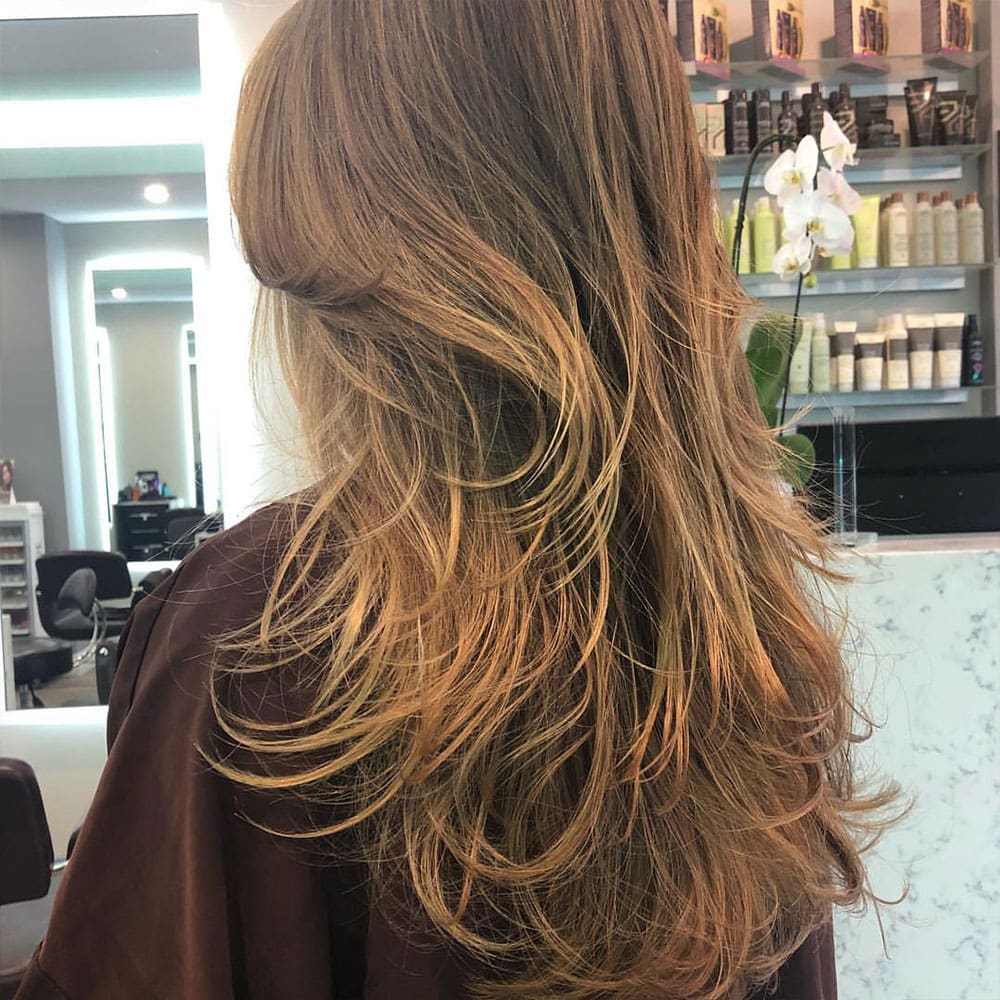
The Science: Why Humidity Causes Frizz
The shaft science in one paragraph
Hair is composed of three layers: the inner medulla, the protein-rich cortex (where the wave pattern lives), and the outer cuticle (overlapping scales that protect the inside). When the cuticle is intact and lying flat, the shaft is sealed and the wave pattern holds. When the cuticle is lifted — from damage, dryness, chemical processing, or simply hair texture that’s naturally porous — water molecules from humid air enter through the gaps. The cortex absorbs water unevenly, swells in some places more than others, and the resulting expansion pushes the cuticle further apart. That’s frizz: a structural change inside the hair shaft caused by water that wasn’t supposed to be in there.
This is also why wavy hair is more humidity-vulnerable than straight hair. The wave pattern means more surface area exposed at each curve, and the cuticle along curved sections lifts more easily than along straight sections. The American Academy of Dermatology’s hair care guidance covers the broader principles of cuticle protection — the practical translation for wavy hair in humid Westchester summers is that sealing the cuticle is the entire game.
The 5 Real Causes (and Why They Compound)
The reason wavy hair frizzy in humidity feels like a personal vendetta is that several factors stack up:
1. Porosity
Naturally porous hair (or porosity from damage) absorbs more humidity. Color-treated, bleached, or heat-styled wavy hair frizzes the most.
2. Cuticle damage
Each pass of a flat iron, each bleach session, each rough towel-dry lifts more cuticle. More lift = more humidity entry points.
3. Insufficient hold
Without a gel cast or anti-humidity product sealing the wave, there’s nothing physically preventing humidity from reshaping the hair.
4. Dehydration inside the shaft
Dry hair absorbs more humidity than well-conditioned hair. Counterintuitive but true — moisturized hair has less “room” to take in air moisture.
5. Touching it constantly
Hands transfer oil and disrupt the wave pattern. The more you touch frizzy hair to smooth it, the frizzier it gets.
The Humidity-Resistant Styling Routine
The routine that actually holds through humid summer days has 6 steps. Skip any and the others lose most of their effect.
- Sulfate-free wash, conditioner-heavy. Apply shampoo only to the scalp. Use a thick conditioner mid-lengths to ends and detangle while it’s in. Rinse with cool water. Cool water seals the cuticle from the start.
- Squeeze out water with a microfiber towel or cotton t-shirt. Never terry cloth. Rough cuticle = more humidity absorption later.
- Anti-humidity leave-in on soaking-wet hair. Look for ingredients that specifically address humidity: dimethicone, cyclomethicone, hydrolyzed wheat protein, or silk amino acids. These create a hydrophobic film on the hair shaft that resists moisture absorption.
- Curl cream or mousse to define the wave. For 2A-2B waves, lighter is better — a watery curl cream or a fine-hair mousse. For 2C waves, slightly heavier curl creams work. Scrunch up to encourage the wave pattern.
- Gel cast to lock the shape. This is non-negotiable in humid weather. Apply a soft-to-medium hold gel over the curl cream, scrunching upward. The hair will feel crunchy when dry. That crunch is humidity protection.
- Final anti-humidity mist after drying. Once hair is fully dry and the cast is gently broken with a few drops of lightweight oil, mist a humidity-blocking spray over the entire head. This creates the outer hydrophobic layer that holds your styling through the day.
For the broader 2A-specific routine (especially product weight recommendations), our piece on how to style 2A wavy hair without frizz covers the full daily routine. The humidity adjustments above are additions to that routine for high-humidity days.
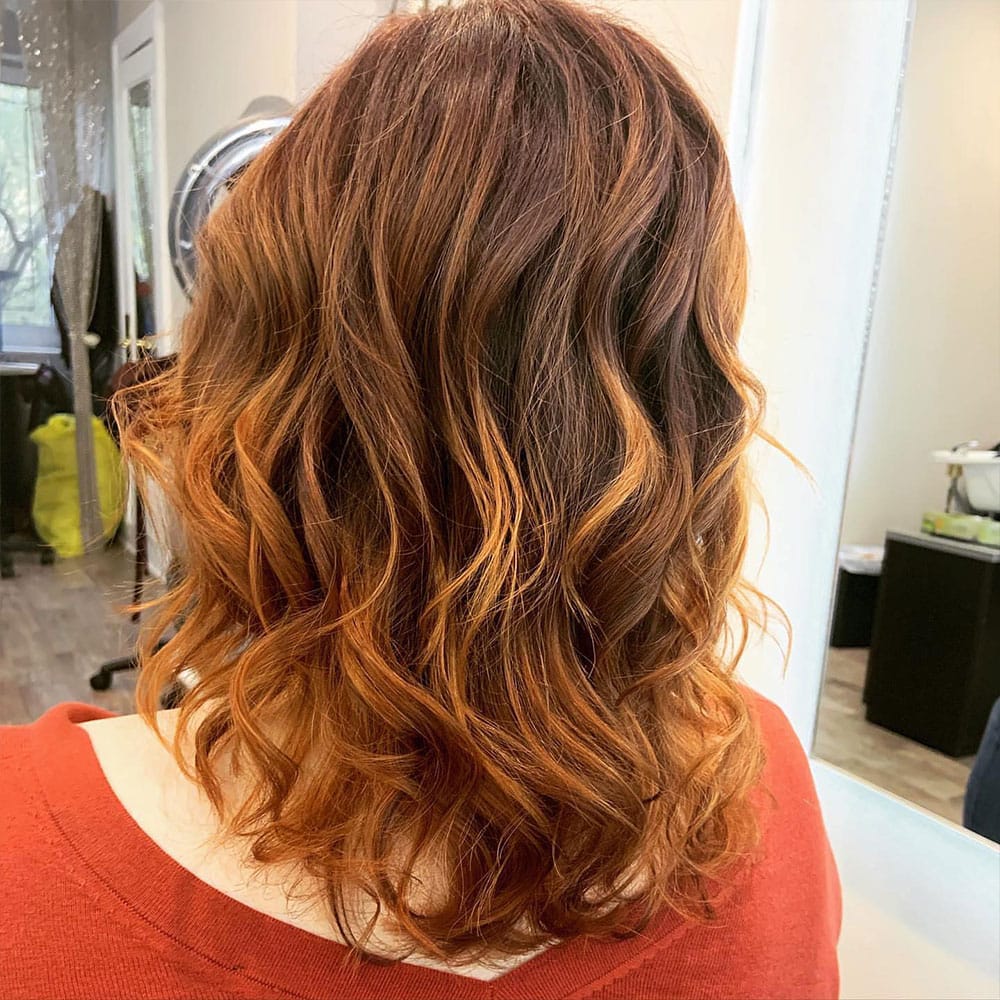
What an Anti-Humidity Product Actually Does
Anti-humidity sprays and serums work by depositing a hydrophobic (water-repelling) film on the hair shaft. The film slows or blocks the rate at which atmospheric moisture can reach the cuticle. The key ingredients to look for:
- Dimethicone — a silicone that forms a flexible, water-resistant coating. Most effective single ingredient for humidity blocking.
- Cyclomethicone — a lighter silicone that evaporates partially but leaves a protective layer.
- Hydrolyzed wheat protein — bonds to the cuticle and reduces water absorption.
- Silk amino acids / hydrolyzed silk — smooths the cuticle and creates a humidity-resistant surface.
- PEG-modified polymers (Polyquaternium varieties) — film-forming agents that hold style against humidity.
Avoid products labeled “humidity proof” without these (or similar) ingredients — many use the marketing without the chemistry. The label should mention some form of film-forming agent or smoothing protein.
The Smoothing Treatment Question
For clients in Westchester who fight humidity every summer despite the at-home routine, the bigger question is whether to invest in a salon smoothing treatment that provides months of humidity resistance with minimal daily effort.
The two main options for wavy hair:
Formaldehyde-free keratin treatments (like Keratin Complex or Magic Sleek) deposit keratin protein into the hair shaft, smooth the cuticle, and reduce porosity. The wave doesn’t disappear — it softens noticeably and becomes far more humidity-resistant. Results last 3-5 months depending on hair texture and wash frequency. This is usually the right answer for clients who want to keep some natural wave with dramatically less frizz. Our Keratin Complex treatment page covers what to expect.
Brazilian Blowout is a similar smoothing service that uses a different chemistry. The hair stays straighter while wearing the treatment but still has some wave when air-dried after a few weeks. Results last 3-4 months.
For clients who want their natural wave fully preserved but with less frizz, a bond-repair treatment plus the styling routine above is the right path. For clients whose lifestyle doesn’t support a 6-step styling routine, smoothing treatments are usually a meaningful upgrade.
Seasonal Strategy: What to Change Through the Year
Westchester humidity is highest from late June through mid-September, with shoulder season risk in May and October. The seasonal pieces:
- Late spring through summer: Maximum anti-humidity routine. Medium-hold gel. Anti-humidity mist daily. Consider a smoothing treatment before peak humid season starts.
- Fall: Transition from anti-humidity routine to anti-dryness routine as indoor heating starts. Hair gets dehydrated which causes a different kind of frizz.
- Winter: Deep conditioning weekly, lighter hold products (humidity isn’t the threat), focus on moisture rather than sealing.
- Early spring: Re-introduce smoothing products and consider re-upping the salon treatment before the next humid season.
For the deeper seasonal breakdown, our piece on seasonal hair care for Westchester’s changing weather covers the year-round rhythm, and the summer-to-fall hair transition guide covers the specific September-October pivot.
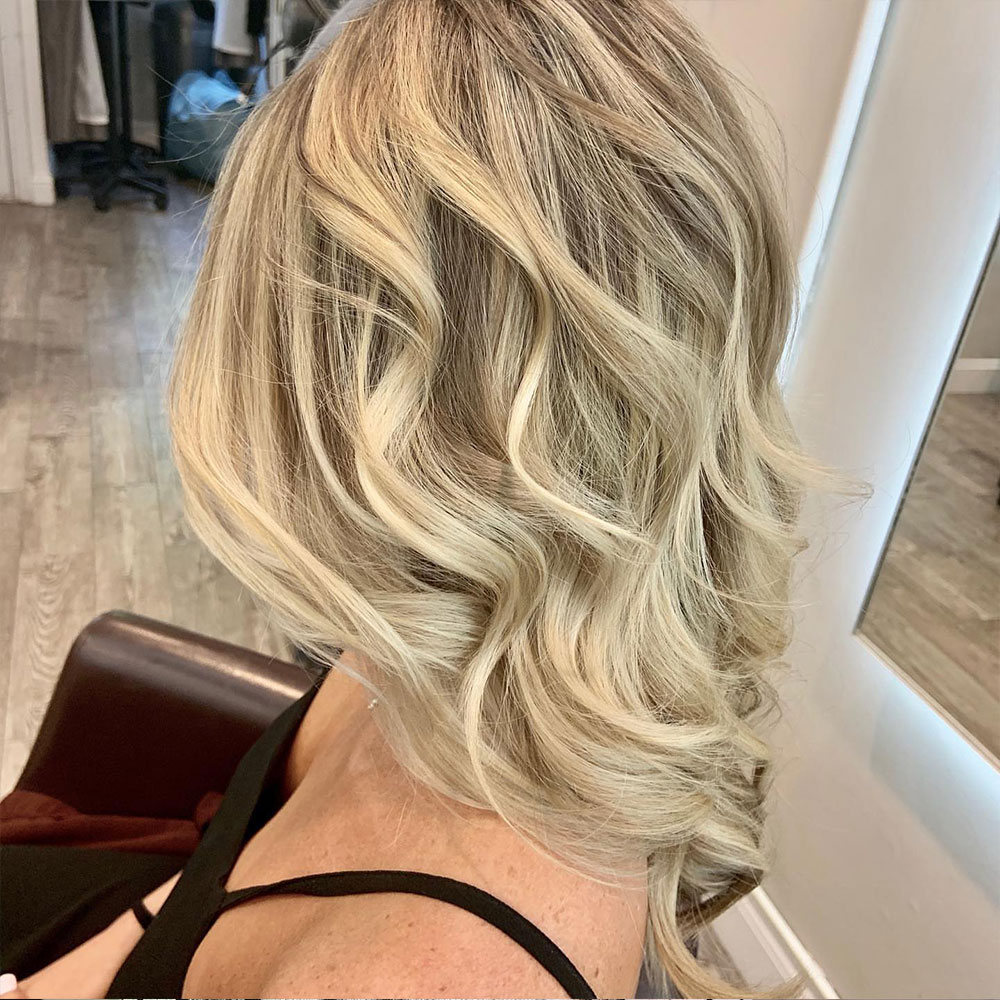
What to Do When Frizz Has Already Happened
If you’re reading this at 11 AM with hair that already lost the battle:
- Don’t touch it more — every hand-pass smooths it for thirty seconds then frizzes it for the rest of the day
- A small amount of lightweight oil rubbed between palms and gently smoothed over (not scrunched) the surface frizz can buy you a few hours
- A spray bottle of water + a quick scrunch can sometimes re-form the wave if you’re going to be inside the rest of the day
- Hair clips or a chic low-bun cover the worst of it without making it worse
For chronic mid-day frizz, the answer is in the morning routine, not in afternoon fixes. If you’re consistently losing the styled look by 11 AM, your gel cast probably isn’t holding — try a medium-hold gel instead of soft-hold, and double-check the anti-humidity mist application.
Book a humidity-strategy consultation at Numi
If you’ve been fighting humidity frizz every summer and the at-home routine isn’t holding, a consultation can identify what’s happening with your specific hair and whether the right next step is a product adjustment, a smoothing treatment, or a different approach to your daily routine.
Call 914-574-6402 or book online to schedule.
FAQ
Does humidity damage wavy hair?
Humidity itself doesn’t damage hair — it temporarily reshapes it by adding moisture to the cortex. The shaft returns to its baseline shape once it dries. But the frizz response can lead to damage indirectly: clients who battle humidity frizz often increase heat tool use, brushing, and styling friction trying to control the hair, and all of those do damage the cuticle over time. The healthier path is to seal the cuticle with anti-humidity styling products (silicones, proteins, film-formers) so humidity can’t reshape the wave in the first place, then leave the hair alone throughout the day.
What ingredients should I look for in anti-humidity products?
The most effective humidity-blocking ingredients are dimethicone (a flexible silicone that forms a water-resistant coating), cyclomethicone (a lighter silicone), hydrolyzed wheat protein and silk amino acids (both bond to the cuticle and reduce water absorption), and film-forming polymers like various Polyquaterniums. Products marketed as “humidity proof” without these ingredients usually don’t deliver. Read the ingredient list — at least one of these should be in the first half of the label for meaningful humidity protection.
Why does my wavy hair frizz more in summer than other people’s?
Two main reasons. First, porosity — naturally porous hair, or porosity from damage (color, bleach, heat tools), absorbs more humidity faster. Second, dehydration inside the shaft. Counterintuitively, dry hair frizzes more in humidity than well-conditioned hair because there’s more “room” inside the shaft to take in moisture. Address both by reducing heat tool use, adding bond-repair treatments to your routine, and prioritizing weekly deep conditioning. Hair that’s hydrated and structurally intact resists humidity dramatically better than damaged dry hair.
Will a keratin treatment stop my wavy hair from frizzing in humidity?
Mostly yes — formaldehyde-free keratin treatments like Keratin Complex and Magic Sleek deposit keratin protein into the shaft, smooth the cuticle, and reduce porosity. The result is dramatically less humidity-driven frizz for the duration of the treatment (typically 3-5 months). The wave doesn’t disappear — it softens. For clients who battle humidity every summer, the treatment is often a meaningful quality-of-life upgrade. The trade-offs to discuss with your stylist: the treatment is a commitment, results vary by hair texture, and color treatments need to be timed around it. A consultation walks through whether the treatment fits your specific hair.
Can air-drying work in humid weather, or do I have to diffuse?
Air-drying can work in humid weather if your products and method are right. The key is plopping — wrapping the hair in a cotton t-shirt on top of the head for 15-30 minutes after applying styling products. Plopping accelerates the initial drying phase and minimizes the time hair is exposed to humid air while it’s still very wet (the most vulnerable phase). Once unplotted, let the rest air-dry without touching it. If you’re outside in humidity above 70% with wet hair, diffusing on low heat is usually a better choice because it dries faster than the air can disrupt the wave. Either method works — the variable is how humid the actual air is during the drying process.
Categories
Recent Posts
The benefits of a Brazilian blowout go well beyond "smoother [...]
Finding hairstyles for women over 70 with fine hair gets [...]
Wispy bangs are the soft, feathery, slightly see-through fringe you [...]