



Do Scalp Facials Actually Stop Shedding? Stylist Answers
Short Answer: A scalp facial for hair shedding can genuinely help when the shedding is driven by scalp issues — product buildup, poor circulation, mild inflammation, dandruff, or oil imbalance. In those cases, exfoliation, massage, and targeted serums clear the follicle and create a healthier environment for the hair that’s still growing. A scalp facial will not stop shedding caused by hormonal shifts (postpartum, perimenopause, thyroid), genetic hair loss (androgenetic alopecia), nutritional deficiencies, or stress-related telogen effluvium. Those need a different approach — usually a dermatologist, blood work, and sometimes prescription treatment. The most useful thing a scalp facial does is rule out the easy stuff first. New mothers ask about this constantly, so we covered what helps postpartum hair loss separately.
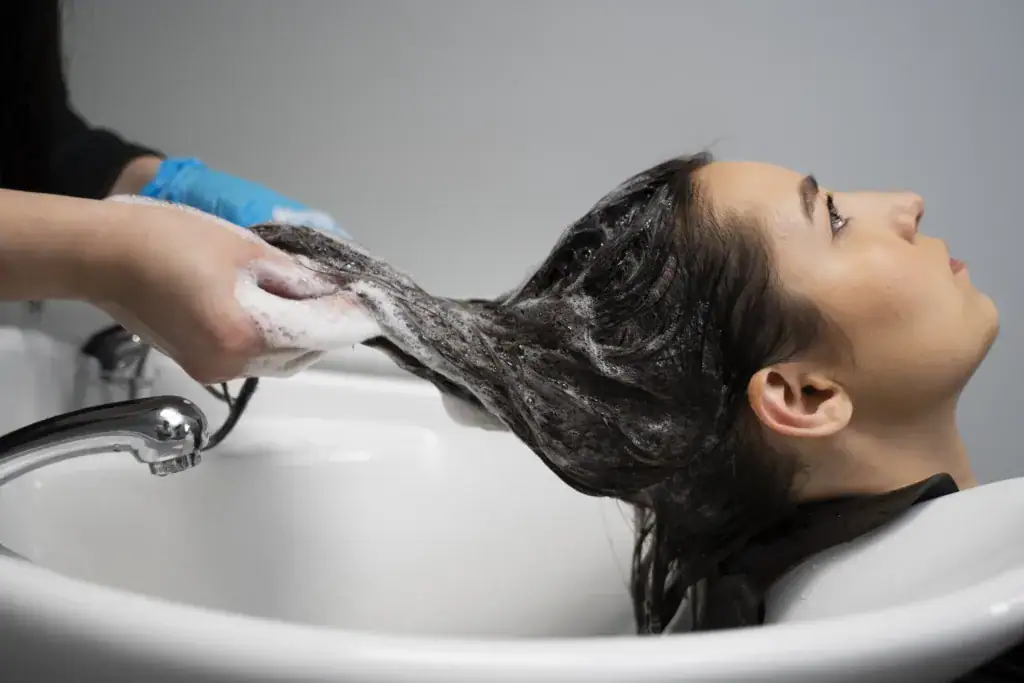
What a Scalp Facial Actually Is
A scalp facial is a salon treatment focused on the skin of the scalp rather than the hair itself. The standard sequence at a salon like Numi & Company in Scarsdale typically includes five steps:
- Analysis — visual inspection of the scalp, sometimes with a magnifier or scope, to identify buildup, redness, dryness, or follicle clogging
- Exfoliation — a physical or chemical scrub that lifts dead skin cells, product residue, and oil from around the follicles
- Deep cleanse — a clarifying or chelating shampoo, sometimes paired with a steamer to open the pores and loosen debris
- Massage — manual stimulation that increases blood flow to the follicles
- Treatment — application of a serum, mask, or oil tailored to the specific scalp concern (peptides for thinning, soothing serums for sensitive scalps, antioxidants for environmental damage)
The session usually runs 30 to 60 minutes and many salons offer it standalone or as an add-on to a color, cut, or keratin service. It’s not the same as a hair treatment like Olaplex or K18 — those work on the hair shaft. A scalp facial works on the skin.
When a Scalp Facial Genuinely Helps Shedding
Scalp facials work for a specific category of shedding: shedding caused by what’s happening on the scalp itself, not what’s happening inside the body. Here’s where they earn their cost.
Product buildup shedding
Heavy use of dry shampoo, styling products, or oils can clog follicles and weaken the hair at the root. Exfoliation clears it, and the shedding usually slows within two to four weeks.
Inflammatory scalp conditions
Mild seborrheic dermatitis, sensitivity, or dandruff create an irritated environment where hair sheds early. A medicated scalp facial calms the inflammation.
Hard water and mineral buildup
Westchester water is moderately hard. Mineral residue can build up on the scalp over time and contribute to dullness, weak hair, and excess shedding. Chelating treatments included in many scalp facials reset this.
Poor circulation
Stress, tight hairstyles, and sedentary lifestyles can reduce scalp blood flow. Massage during a scalp facial helps stimulate the follicles. Most clients see modest density improvement over three to six months when paired with at-home scalp massage.
The pattern across all four of these is the same: the hair was being shed because the scalp environment wasn’t supporting it. Fix the environment, the shedding slows.
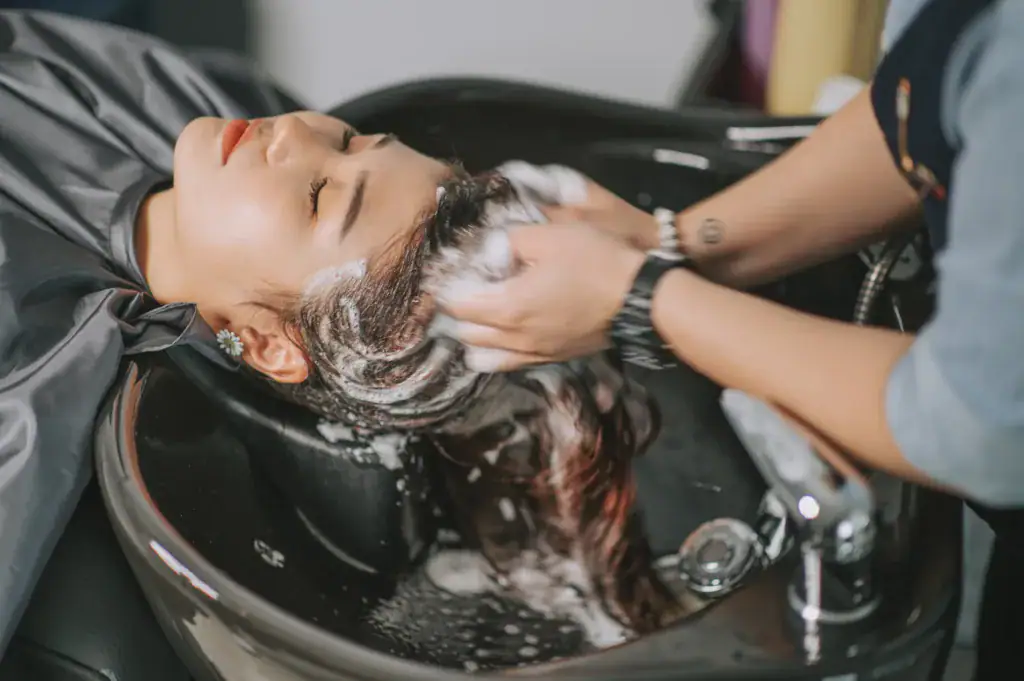
When a Scalp Facial Won’t Stop Shedding
It’s just as important to be honest about what a scalp facial doesn’t do. Hair shedding has a long list of causes that have nothing to do with the scalp surface, and no amount of exfoliation or massage will fix them.
Postpartum telogen effluvium
Three to six months after pregnancy, hormonal shifts cause a wave of shedding that typically resolves on its own by 9 to 12 months. A scalp facial doesn’t change the hormonal driver. Reassurance and time do.
Androgenetic alopecia (pattern hair loss)
Genetic hair loss involves follicles that are gradually miniaturizing. Topical minoxidil, oral medications, and PRP are the evidence-based interventions. A scalp facial may feel good but won’t change the underlying follicle behavior.
Thyroid, iron, or vitamin D issues
Nutritional and endocrine causes of shedding require blood work and treatment of the underlying condition. The American Academy of Dermatology covers the most common medical causes in their hair loss resource center — a dermatologist visit is the right next step here.
Stress-related telogen effluvium
A major stressor (illness, surgery, grief, big life change) can trigger a delayed shedding wave two to three months later. It resolves as stress resolves. A scalp facial is a nice supportive treatment but isn’t curative.
If you’re in one of these four categories and a salon promises a scalp facial will stop your shedding, walk away. The honest framing is that the treatment supports a healthy scalp environment while the actual driver resolves on its own or with medical treatment — not that the facial fixes the shedding.
How to Tell Which Category You’re In
The fastest sorting question is timing. When did the shedding start, and what changed in your life around then?
Shedding started 3-6 months postpartum. Postpartum telogen effluvium. Wait it out, support with good scalp care, and reassess at 12 months. A scalp facial as a supportive treatment is fine but won’t speed it up.
Shedding started 2-3 months after a major illness, surgery, big diet change, or stressor. Stress-related telogen effluvium. Same approach — supportive care, time, reassessment.
Shedding is concentrated at the part, temples, or crown and has been slowly progressing over years. Probably androgenetic alopecia. See a dermatologist for confirmation and discuss minoxidil or PRP options. Scalp facials are supportive, not curative.
Shedding came with other changes — fatigue, cold sensitivity, weight changes, brittle nails. Get blood work for thyroid, ferritin (iron stores), vitamin D, and B12 before any hair treatment. The cause is internal.
Shedding started after you increased dry shampoo use, started a new product, or stopped clarifying. Likely scalp buildup. A scalp facial is genuinely the right first step.
Shedding came with scalp itch, flakes, oily patches, or redness. Inflammatory scalp condition. A scalp facial helps, and a dermatologist visit may also be warranted depending on severity.
What a Scalp Facial at Numi Looks Like
Most clients come in for a scalp facial as either a standalone 45-minute appointment or as an add-on to a color or keratin service. Here’s the sequence:
- Consultation and scalp assessment. A stylist looks at the scalp, asks about your routine, your shedding history, and what you’ve already tried. This is also when we flag whether a dermatologist visit makes more sense than a salon treatment.
- Clarifying or chelating shampoo. The choice depends on what’s going on. Chelating for hard-water residue, clarifying for product buildup. Both are applied twice and left to dwell.
- Exfoliation. A gentle physical or chemical scrub applied across the scalp, then rinsed. This is the step that lifts dead skin and follicle debris.
- Targeted serum. A peptide, antioxidant, or soothing serum depending on what we identified in the assessment. The serum sits on the scalp under a warm towel for 10-15 minutes.
- Scalp massage. Manual stimulation across the entire scalp to support circulation. This is usually the most relaxing part of the appointment.
- Aftercare plan. Recommendations for at-home routine — wash frequency, product changes, when to come back. This is where we set the realistic expectation about what the facial will and won’t accomplish.
For clients with significant shedding who want a deeper protocol, we often pair the scalp facial with a hair-shaft strengthening treatment like our K18 treatment. K18 works on the hair itself rather than the scalp, so the two together address both layers of the problem.
What to Try at Home First
If you’re not sure whether to book a scalp facial yet, there are three at-home moves that handle most mild cases.
- Clarify weekly for three weeks. Use a clarifying shampoo once a week to reset product buildup. Most people see less shedding by week three if buildup was a meaningful cause.
- Daily 60-second scalp massage. Use your fingertips (not nails) in small circles across the scalp for 60 seconds. Studies on manual scalp massage have shown modest density improvement over six months when done consistently.
- Drop the dry shampoo if you use it daily. Dry shampoo is one of the most common silent contributors to scalp issues — and we covered the connection between dry shampoo and shedding in our piece on whether dry shampoo causes hair thinning. Drop it to once a week or eliminate entirely and watch what happens.
If three or four weeks of consistent at-home care doesn’t change the shedding pattern, that’s the signal to either book a salon scalp facial or — depending on your timing/cause profile from the section above — see a dermatologist.
How Often Should You Get a Scalp Facial?
For scalp-driven shedding causes, the typical cadence is one facial every four to six weeks for the first three months, then a maintenance facial every eight to twelve weeks. This matches the natural hair growth cycle and gives the scalp environment time to stabilize between treatments.
For clients who are using the facial as a supportive treatment alongside medical care for hormonal or genetic shedding, every six to eight weeks is plenty. The goal in that case isn’t to stop the shedding (medicine is doing that work) — it’s to keep the scalp environment optimal while the other interventions take effect.
Where a Scalp Facial Fits in the Bigger Picture
The clearest way to think about a scalp facial is this: it’s not a treatment for hair loss. It’s a treatment for the scalp. Some hair loss is caused by what’s happening on the scalp — and for that category, a scalp facial is genuinely useful. Other hair loss isn’t — and for that category, the facial is an adjunct to the real treatment, not a replacement for it.
If you’re trying to decide whether to book, the most efficient path is a consultation first. Twenty minutes with a stylist looking at your scalp can usually identify whether you’re in the “scalp facial will help” group or the “see a dermatologist first” group. Our general guide on understanding thinning hair causes walks through the full picture, and the thinning hair treatment guide covers the salon-side options in more detail.
Book a scalp consultation at Numi
A free consultation with one of our stylists is the fastest way to figure out whether a scalp facial fits your shedding pattern — or whether you’d be better served by a different treatment or a dermatologist referral. We look at the scalp, talk through your timeline, and give you the honest answer about what will and won’t help.
Call 914-574-6402 or book online to schedule.
FAQ
How long does a scalp facial take?
A standard scalp facial runs about 45 minutes to an hour at Numi. The breakdown is typically 5-10 minutes for consultation and scalp assessment, 10 minutes for double cleansing and clarifying, 5-10 minutes for exfoliation, 15 minutes for serum application and massage, and a final rinse and dry. Add-on services (a glaze, K18 treatment, or blowout) extend the appointment. If you want a quick, low-commitment version, many salons offer a 20-minute “express” scalp treatment that skips the consultation step and focuses on cleansing and massage.
How often should I get a scalp facial for shedding?
For scalp-driven shedding, the recommended cadence is every four to six weeks for the first three months, then every eight to twelve weeks for maintenance. The first three months let the scalp environment reset; maintenance keeps it stable. If your shedding is being driven by hormonal, genetic, or nutritional causes, scalp facials work as a supportive treatment alongside whatever medical intervention is addressing the actual driver — in that case, every six to eight weeks is plenty. More frequent than monthly rarely adds benefit and can over-exfoliate the scalp.
Does a scalp facial actually stimulate hair growth?
A scalp facial doesn’t directly cause new hair to grow — only follicles can do that, and only if they’re capable of growing hair in the first place. What it does is improve the environment around the follicles: clearing buildup, calming inflammation, increasing local blood flow, and reducing the stress on the hair that’s currently in the growing phase. The result, for the right candidate, is reduced shedding and sometimes thicker-appearing hair as more strands stay in the active growth phase. It’s the difference between fertilizing a lawn and planting new grass — fertilization helps what’s there grow better but doesn’t add new blades.
Is a scalp facial worth it if I have postpartum hair shedding?
It depends on your goal. Postpartum telogen effluvium will resolve on its own by 9-12 months postpartum in most cases, regardless of what you do. A scalp facial won’t shorten that timeline. But many clients still find them valuable for two reasons: they keep the scalp environment healthy while the shedding wave is happening, and they’re psychologically helpful during a period that can feel out of your control. If budget is tight, prioritize gentle at-home scalp care and a good nutrition plan. If you can comfortably afford it, an occasional scalp facial is a reasonable supportive treatment.
How is a scalp facial different from a regular shampoo and conditioner at the salon?
A regular salon wash focuses on cleaning the hair and prepping it for service. A scalp facial focuses on treating the skin of the scalp itself. The differences are meaningful: scalp facials include a formal scalp assessment, use specific exfoliation products to lift dead skin and debris (a regular wash skips this entirely), apply targeted treatment serums based on the assessment, include longer and more deliberate massage focused on circulation, and end with an aftercare plan customized to what was found. A regular wash takes 10-15 minutes; a scalp facial takes 45-60.
Categories
Recent Posts

Micro bangs are a very short fringe cut well above [...]
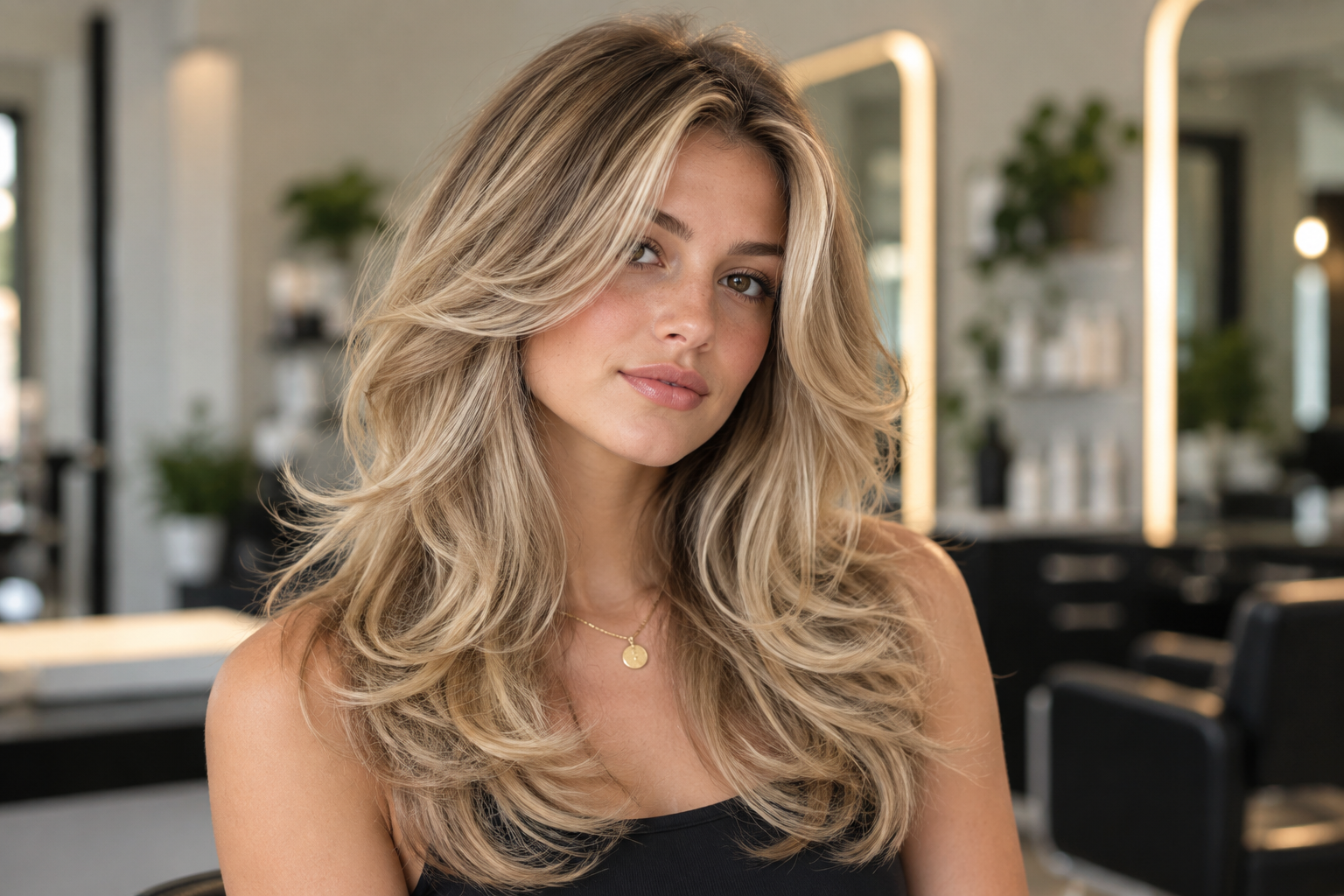
A 90s blowout is a blow dry style with big, [...]

A modern shag haircut is a layered cut with soft, [...]