



What Is a Shullet Haircut?
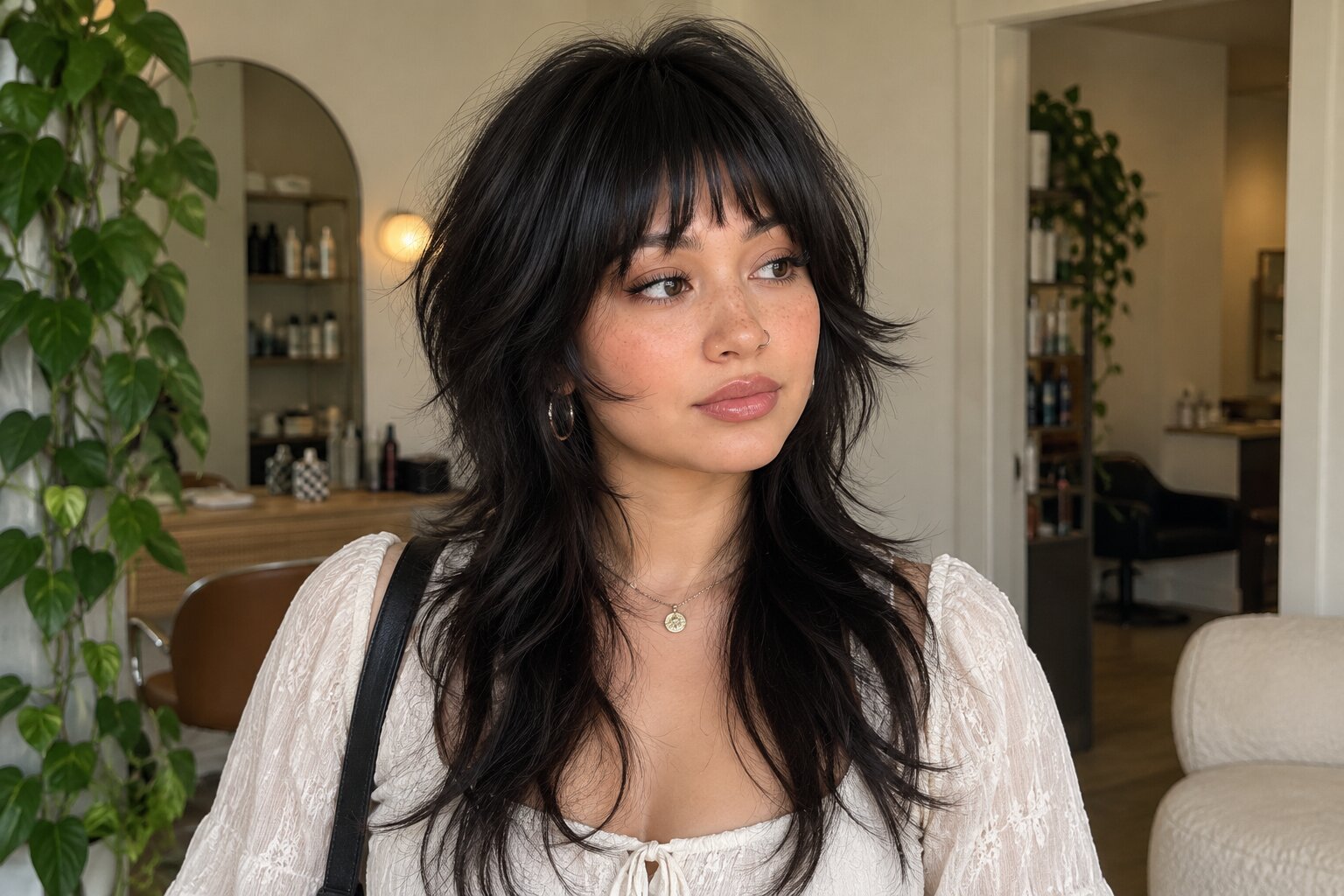
A shullet is a shag and a mullet combined. It has the soft, blended layers of a shag on top and the longer length at the back that a mullet is known for. It is the gentlest way to wear a mullet, which is why it caught on.
Short Answer
A shullet is a soft, blended mullet. Shag layers on top, extra length at the back, and no hard line between them. That blending is the whole point. A classic mullet has a sharp jump from short to long. A shullet smooths it out, so it reads as a layered cut rather than a statement.
What is a shullet haircut?
The name is a blend of shag and mullet, and so is the cut.
From the shag it takes soft layers through the crown and around the face, plus lift at the top. From the mullet it takes the extra length at the back. What it leaves behind is the mullet part people worry about, which is the hard step where short suddenly becomes long.
In a shullet that step is blended out. The length travels gradually from the sides to the back, so you get the shape without the sharp edge. Most people looking at it would call it a layered cut, not a mullet.
Shullet vs mullet vs modern mullet
These names get used loosely, so here is the practical difference.
- Classic mullet. Short on top and the sides, long at the back, with an obvious line between them. The contrast is the point
- Modern mullet. The same idea softened. Less contrast, more texture, and usually longer on top. This is the version most salons now cut
- Shullet. The softest of the three. It is a modern mullet with full shag layering, so the length change is gradual rather than stepped
If you want the honest version: a shullet is a modern mullet, cut so softly that most people will not call it a mullet. That is why it works for people who like the shape but not the label.
Shullet vs wolf cut
This is the comparison worth getting right, because the two cuts are close relatives and often confused.
Both are built from a modern shag crossed with a mullet. The difference is how much contrast the stylist builds in.
- Wolf cut. Heavier and shorter on top, wispier and thinner underneath. The disconnection is deliberate and visible
- Shullet. Blended throughout. The layers connect, so the shape flows instead of stepping
Put simply, a wolf cut wants you to see the contrast and a shullet hides it. If you have read our guide to what a wolf cut is, a shullet is that cut with the edges smoothed off.
If you want the opposite of a shullet, the jellyfish haircut keeps a hard line between a short top and long lengths on purpose. That gives you three cuts on one scale. A shullet blends the change, a wolf cut shows some of it, and a jellyfish makes it the whole point.
Some stylists use both names for the same cut. Bringing a photo matters more here than the name you use.
Who a shullet suits
It is more forgiving than any other mullet variation, but it is not for everyone.
It works well if
- You have wavy or curly hair. Texture hides the length change, so the blend happens on its own
- You have thick hair. The layers take out weight and the back length gives it somewhere to go
- You want a change without losing length. The back stays long, so it feels less drastic than it looks
- You like the mullet shape but not the commitment. This is the version you can wear to work
Think twice if
- Your hair is fine and very straight. The blend can go flat, and a shag cut built for fine hair will hold shape better
- You wear your hair up most days. The shorter top layers will not stay in a ponytail
- You want one clean length. A shullet is the opposite of that
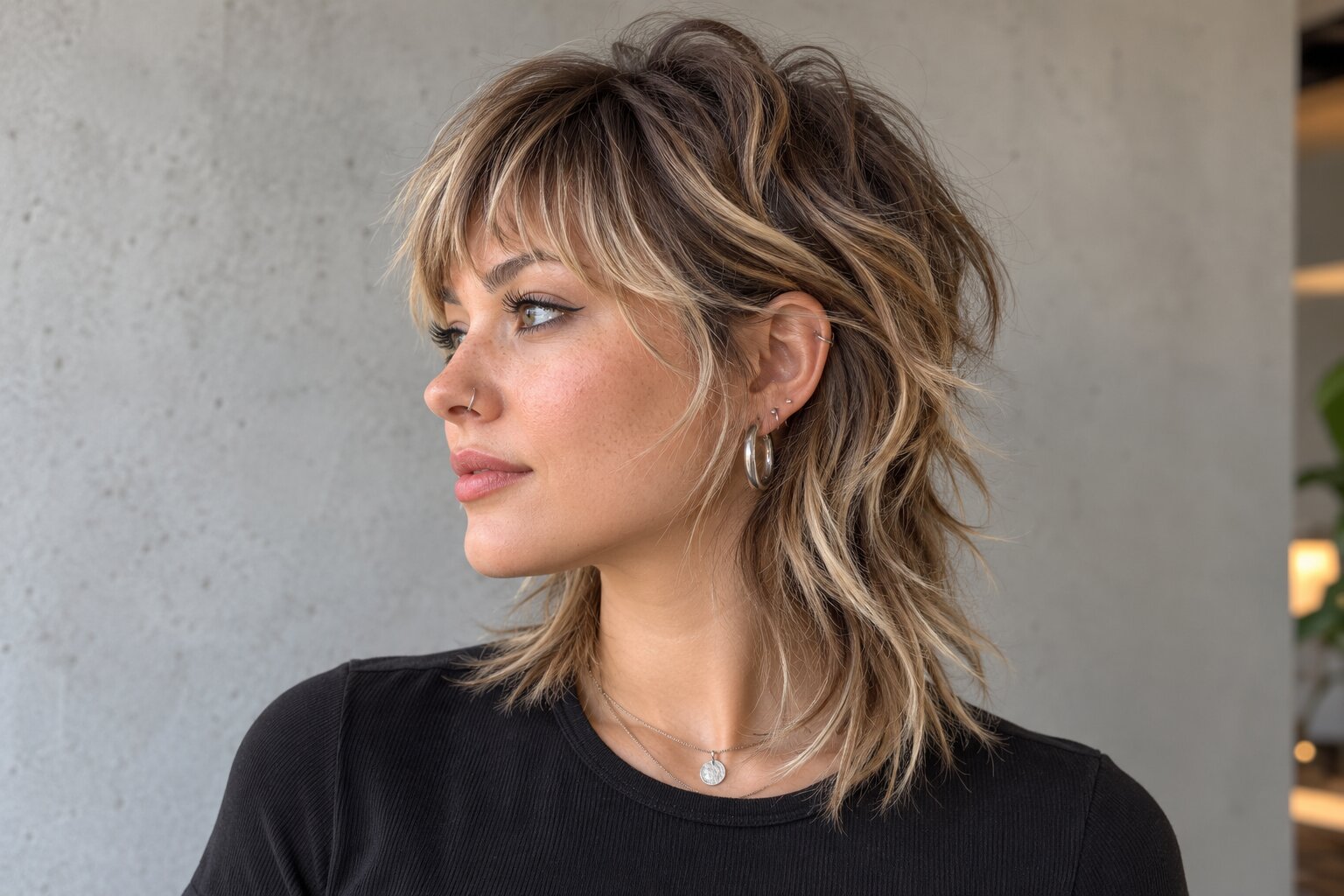
Is a shullet good for fine hair?
It can be, with one adjustment. Ask for fewer layers and less length at the back.
The problem on fine hair is that heavy layering removes the weight that was holding your shape. Take out too much and the back goes limp while the top stays flat. You end up with the outline of a shullet and none of the movement.
The fix is to do less. A shorter tail, softer layers, and no thinning shears. If your hair is fine and you want this shape, say so at the start of the appointment rather than halfway through the cut.
How to style a shullet
It is built to look lived-in, so most of the work is drying it the right way.
- Work a texture cream or light mousse through damp hair
- Rough dry with your fingers, lifting at the crown as you go
- Leave the back to air dry if it is long. Less heat there keeps it soft
- Scrunch the ends rather than smoothing them. The shape wants movement
Skip the round brush. Smoothing a shullet flat removes the layering you paid for. If you have curtain bangs with it, dry those first and to the side.
How often does a shullet need trimming?
Every eight to ten weeks. It grows out more kindly than a mullet, because there is no hard line to lose.
What does change is the balance. The top layers grow into the length and the shape gets heavier over time. A trim mostly means restoring the layers on top, not shortening the back.
Is the shullet still in style?
Yes. Searches for the shullet have grown over the past year, and the softer mullet shapes have grown along with it.
The reason is worth knowing. Mullets came back as a bold, high-contrast statement, and plenty of people liked the shape but not the attention. The shullet is what the trend turned into once it had to work for ordinary life.
Shullet questions, answered
What is a shullet haircut?
A shag and mullet combined. It has soft shag layers on top and extra length at the back, with the change between them blended rather than stepped. It is the softest way to wear a mullet.
What is the difference between a shullet and a wolf cut?
Contrast. A wolf cut is heavier on top and wispier underneath, with visible disconnection. A shullet blends the layers so the shape flows. Some stylists use both names for the same cut, so bring a photo.
Is a shullet the same as a modern mullet?
Almost. A shullet is a modern mullet with full shag layering, which makes it the softest version of the shape. A modern mullet can still carry more contrast than a shullet does.
Is a shullet good for fine hair?
It can be, with fewer layers and a shorter tail. Heavy layering removes the weight holding fine hair up, which leaves the back limp and the top flat. Ask your stylist to go easy on the layers and skip thinning shears.
How do you style a shullet?
Texture cream through damp hair, then rough dry with your fingers while lifting at the crown. Let the back air dry if it is long, and scrunch the ends instead of smoothing them. Skip the round brush.
How often does a shullet need cutting?
Every eight to ten weeks. There is no hard line to lose, so it grows out kindly. A trim is mostly about restoring the top layers rather than shortening the back.
Will people know I have a mullet?
Probably not, and that is the appeal. Because the length change is blended, most people read a shullet as a layered cut. You get the shape without the label.
Thinking about a shullet in Westchester?
A shullet lives or dies on the blend. Cut with soft, connected layers it looks like an expensive haircut. Cut with a hard step at the back it looks like a mullet nobody asked for.
Numi Hair Salon is in Scarsdale. We are rated 4.9 stars across more than 2,470 Google reviews. We have been voted Best of Westchester and named one of the Top 100 Salons in the U.S. Bring a photo and we will tell you how much length the shape needs on your hair.
See our haircut services or Book Your Appointment at Numi Hair Salon.
Categories
Recent Posts
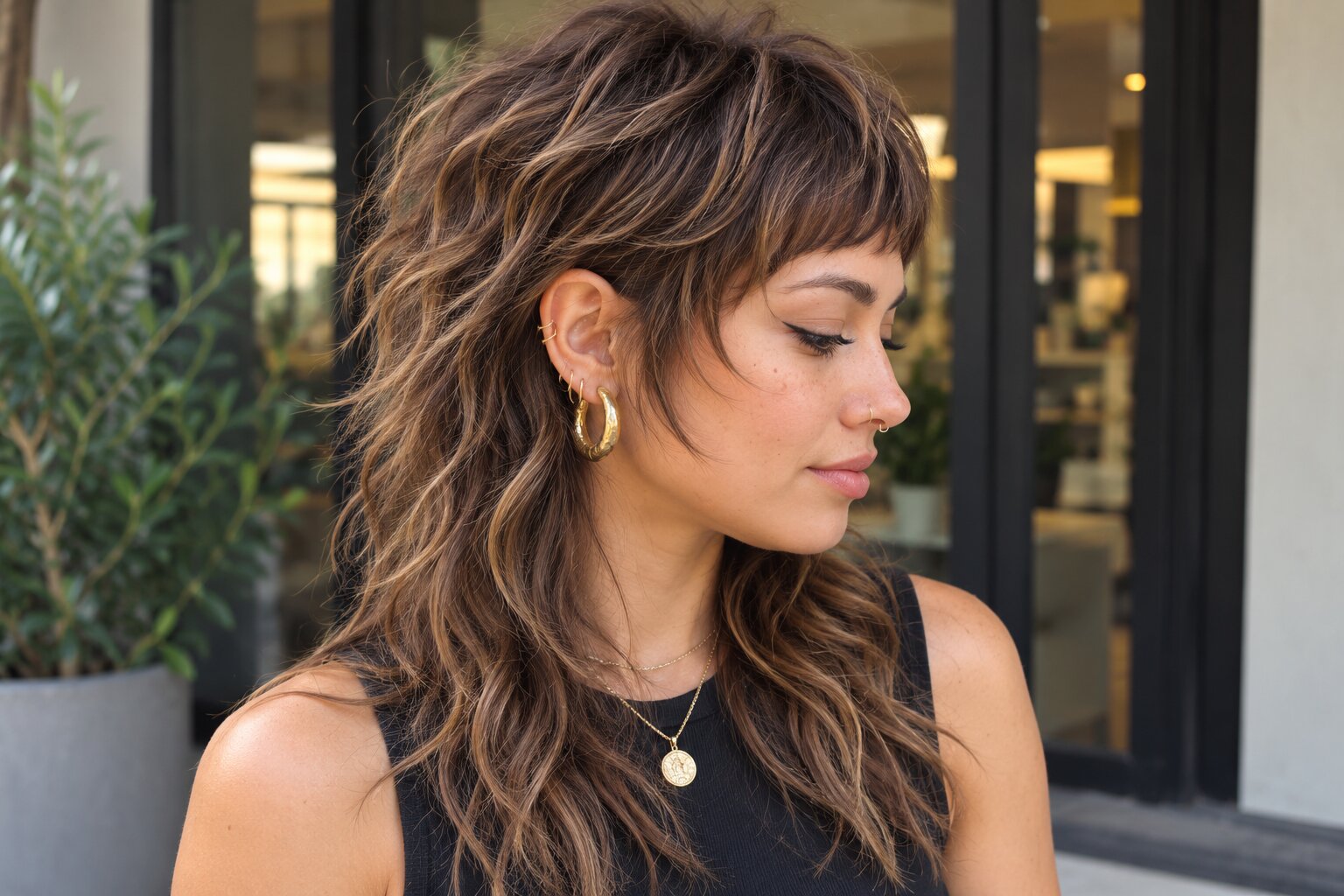
A shullet is a shag and a mullet combined. It [...]
Y2K hairstyles are already back. Claw clips, center parts, face-framing [...]
Micro bangs are a very short fringe cut well above [...]