



What is a Wolf Cut? The Edgy, Effortless Hairstyle Taking Over
Have you been scrolling through your social media feeds and noticing a cool, undone hairstyle that’s equal parts retro and modern? Chances are, you’ve spotted the “wolf cut”. This trendy haircut has taken the hair world by storm, becoming a go-to for anyone looking to add some serious edge and movement to their look.
At Numi Hair Salon in Scarsdale, we’re obsessed with this versatile style. But what exactly is a wolf cut, and is it right for you? Let’s dive in!
Why Understanding the Difference Matters
The wolf cut borrows from two older styles and has since spawned a shorter version of its own, so the names get used interchangeably when they shouldn’t be. A shag is all about layers and texture at one length. A mullet is about the contrast between short front and long back. A wolf cut sits between them. And a wolf bob is that same wolf cut kept at bob length. Knowing which one you actually want is the difference between leaving happy and leaving with three inches you didn’t ask for.
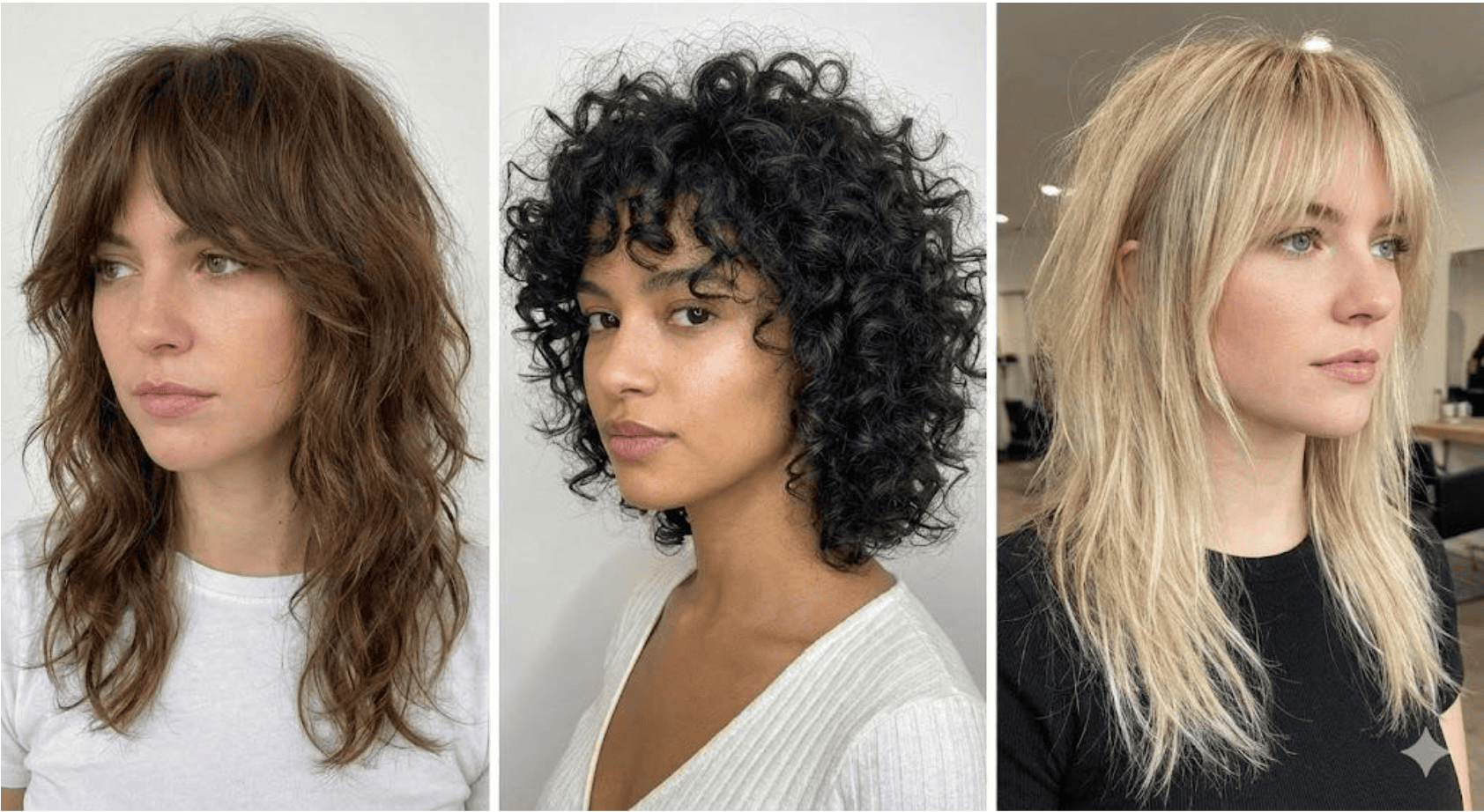
The Wolf Cut Explained
Think of the wolf cut as the rebellious love child of two iconic hairstyles: the ’70s shag and the ’80s mullet. It gets its name from its wild, untamed, and textured appearance, much like the fur of a wolf.
Key features of a wolf cut include:
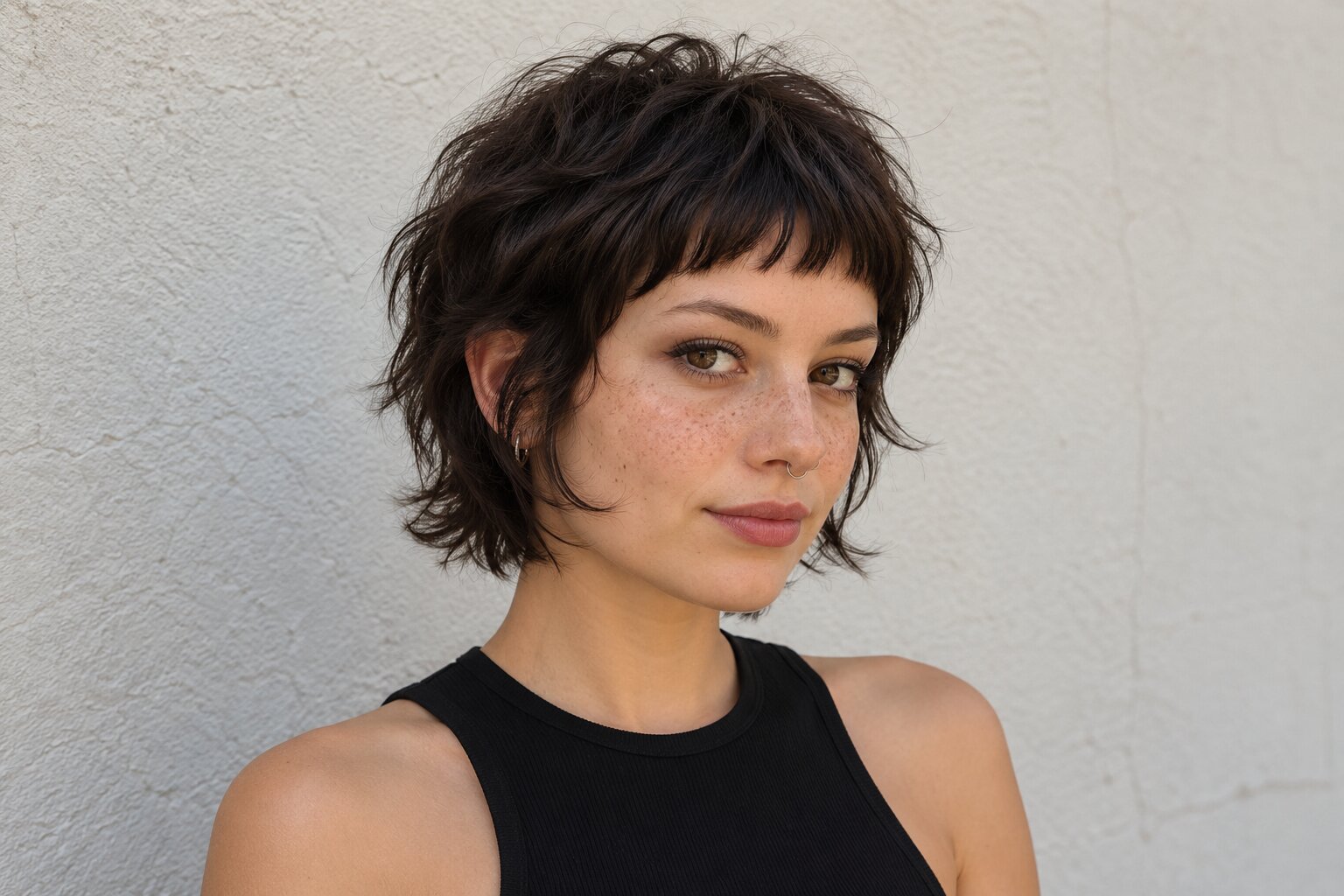
- Choppy Layers: The cut is defined by loads of short, choppy layers on top and around the face to create volume and a tousled effect.
- Tapered Ends: The layers gradually get longer towards the back, giving it that subtle mullet-like silhouette without being too extreme.
- Bangin’ Bangs: It’s almost always paired with bangs, whether they’re wispy curtain bangs, a full-on fringe, or shorter, piecey layers that frame the face.
The beauty of this cut is its versatility. It can be customized to be as soft and subtle or as bold and dramatic as you like.
What Is a Wolf Bob?
A wolf bob is a wolf cut kept at bob length, usually chin to collarbone. You get the shaggy layering, the volume at the crown and the wispy ends, without committing to the longer, mullet-adjacent length the original style is known for.
The full-length wolf cut asks a lot of you. It wants length to carry the layers, and the silhouette leans heavily on the shag and mullet shapes it came from. Plenty of people want the texture without the drama, and that is what the wolf bob solves. The layering starts higher, the perimeter stays blunter, and the whole shape sits above the shoulders.
Wolf bob vs wolf cut
Same technique, different length. The wolf cut typically falls past the collarbone with heavy face-framing and a lot of disconnection through the back. The wolf bob keeps the same crown layering and textured ends but stops between the chin and the collarbone, so the shape reads as a haircut rather than a statement. It also grows out more gracefully, because a shorter perimeter never develops the wings a long wolf cut gets around month four.
Wolf bob vs textured bob
A textured bob softens the ends of a classic bob. A wolf bob goes further: shorter layers at the crown for lift, more disconnection between the top and the perimeter, and deliberately piecey ends. If you are deciding between them, our guide to the difference between a bob and a textured bob is the better starting point, then add the wolf layering on top of whichever you prefer.
What to ask your stylist for
Say this: a wolf bob at chin or collarbone length, short layers concentrated at the crown, a blunt-ish perimeter so the ends keep weight, and soft face-framing that starts around the cheekbone. Ask for the ends to be point-cut rather than thinned with shears, which is what causes the stringy look people tend to blame on the cut itself.
Is a Wolf Cut Right for You?
One of the best things about the wolf cut is that it works on a wide variety of hair types and lengths!
- Wavy & Curly Hair: This cut is a match made in heaven for natural texture. The layers help to enhance your wave or curl pattern, giving your hair incredible bounce and movement without much effort.
- Straight Hair: Don’t worry, straight-haired folks can rock it too! The key is in the styling to add that necessary grit and texture. Our stylists at Numi can show you exactly how to achieve that lived-in look.
- Thick Hair: If you have a lot of hair, the wolf cut is perfect for removing bulk and adding shape.
- Fine Hair: The short layers at the crown can give a major boost of volume to finer hair strands. A wolf bob is often the better call here, since a shorter perimeter keeps weight in the ends where fine hair needs it. Our guide to the best haircuts for fine hair covers the shapes that hold volume without going stringy.
Styling Your Wolf Cut
The wolf cut is celebrated for its low-maintenance, “I woke up like this” vibe. Here are a few tips to keep it looking its best:
- Embrace Texture: Sea salt sprays, texturizing sprays, and mousses are your best friends. Scrunch them into damp or dry hair to encourage that messy, undone look.
- Air Dry or Diffuse: Let your hair air dry for a more natural finish. If you’re in a rush or want to enhance your curls, use a diffuser attachment on your hairdryer.
- Play with Your Bangs: You can style your bangs forward, sweep them to the side, or part them in the middle as curtain bangs. A round brush and a hairdryer can help give them a nice shape.
- Don’t Overthink It: The whole point of this cut is that it’s not supposed to look perfect. A little bit of messiness is part of its charm!
Frequently Asked Questions
What is a wolf bob?
A wolf bob is a wolf cut kept at bob length, usually chin to collarbone. It uses the same technique as the full wolf cut, short layers at the crown for volume and textured piecey ends, but stops above the shoulders so the shape is easier to wear and easier to grow out.
What is the difference between a wolf cut and a wolf bob?
Length. The wolf cut usually falls past the collarbone with heavy disconnection through the back, closer to the shag and mullet shapes it came from. The wolf bob keeps the same crown layering and textured ends but sits between the chin and the collarbone, so it reads as a haircut rather than a statement.
Does a wolf bob work on fine hair?
Often better than a full wolf cut does. A shorter perimeter keeps weight in the ends, which is exactly what fine hair needs, while the crown layering still creates lift. The thing to avoid is over-thinning the ends, which is what makes fine hair look stringy after a layered cut.
How do you style a wolf bob?
Rough dry with a texturizing mousse at the roots, then scrunch a light cream or paste through the mid-lengths and ends. It is not a smooth blow-dry shape. If you are flat at the crown, dry that section upside down for the last minute. Most people find it takes under ten minutes.
How often does a wolf bob need trimming?
Every 8 to 10 weeks. The layering is meant to look lived-in so it grows out more forgivingly than a blunt bob, but the crown layers lose their lift once they pass a certain length, and that is the signal to rebook.
Ready to Join the Pack?
If you’re ready to shake up your style with a cool, modern haircut that’s full of personality, the wolf cut might just be your next signature look. Our expert stylists at Numi Hair Salon are trained in the latest cutting techniques and can craft the perfect wolf cut tailored to your face shape and hair type.
Don’t wait to get the hair of your dreams!
Book Your Appointment at Numi Hair Salon Today!
Let’s get you that perfect, effortless edge!
Categories
Recent Posts
A shullet is a shag and a mullet combined. It [...]
Y2K hairstyles are already back. Claw clips, center parts, face-framing [...]
Micro bangs are a very short fringe cut well above [...]