



Will Money Piece Highlights Work on Dark Hair? Stylist Says Yes — Here’s How
Short Answer: Yes. Money piece highlights absolutely work on dark hair, including deep brunette, espresso, and even natural black. The technique is one of the most flattering face-framing options for dark-haired clients because the contrast between the lightened pieces and the surrounding base creates an instant brightening effect that’s harder to achieve with subtler highlights. The catch is that getting money piece highlights on dark hair is a more involved process than the same service on a lighter base. Dark hair contains more underlying warm pigment, so reaching a clean, bright money piece tone usually means lifting through orange and red stages before landing at the final shade. That takes a colorist who understands how to lift dark hair safely, how to tone out unwanted warmth, and how to place the pieces so they flatter your features instead of overwhelming them. When that work is done well, the result is striking. When it’s rushed, the pieces can read as brassy, patchy, or harsh against the natural base. The difference is technique.
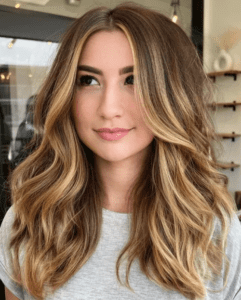
What Money Piece Highlights Actually Are
Before getting into the dark-hair specifics, it helps to understand what makes money piece highlights different from other face-framing techniques.
A money piece is a deliberate, concentrated highlight that runs along the front sections of the hair, framing the face from the part down to roughly the collarbone. Unlike traditional highlights that scatter dimension throughout the head, money pieces focus all the brightness right where it has the most visual impact — directly against the skin.
The name comes from the fact that those front pieces are the ones that show in every photo, every Zoom call, every mirror glance. They’re the highest-impact piece of color you can have done, which is why they get nicknamed the “money” pieces.
For dark hair, money pieces serve a slightly different purpose than they do on lighter hair. On a blonde base, money pieces add depth and dimension to an already-bright look. On dark hair, they create the brightening pop that a head full of subtle highlights can’t match. They’re often the gateway service for clients who want to experiment with lighter color without committing to full balayage or all-over lightening.
If you’re weighing this against other lightening options, our piece on the difference between balayage and highlights breaks down how each technique behaves and which one suits different goals.
Why Money Piece Highlights Work So Well on Dark Hair
The visual logic behind money pieces is contrast. On dark hair, that contrast is already built into the canvas. You don’t have to manufacture dimension — you just have to add a focused point of brightness, and the surrounding dark base does the rest of the work for you.
Here’s why dark-haired clients often get the most dramatic payoff from this technique:
- Instant framing. Two bright pieces against a dark base draw the eye straight to your face. There’s no competition from highlights scattered across the rest of the head.
- Low maintenance compared to full highlights. Because the lightened pieces are concentrated at the front, the rest of your hair stays untouched. Touch-ups are quicker, cheaper, and gentler on the strands.
- Easy to grow out. Money pieces blend down rather than leaving a harsh root line. Many clients can stretch appointments to twelve weeks or longer without the regrowth looking obvious.
- Customizable contrast. Bright platinum money pieces read as bold and editorial. Caramel or honey money pieces read as warm and soft. Both work on dark hair — the difference is the mood you’re after.
- Photogenic. Money pieces catch light in photos, video calls, and selfies in a way that subtler color rarely does. If you’re someone who’s regularly in front of a camera, the visual payoff is hard to beat.
The technique is also one of the most flattering options for dark-haired clients who are nervous about a dramatic change. Because the work is concentrated, you can dip a toe into lighter color without committing to all-over highlights. If you love the result, you can always layer in more dimension at the next appointment.
The Process: How Money Piece Highlights Are Done on Dark Hair
The process of getting clean, bright money pieces on dark hair is more involved than it looks. It usually unfolds in three stages, and depending on your starting shade, it may take more than one appointment to land at your goal.
Stage one: the consultation. Before any color touches your hair, a good colorist will look at your natural tone, your skin undertone, and the brightness level you’re after. They’ll set realistic expectations — particularly around whether you can reach your goal in one session or whether two appointments will give you a healthier result. This is also when you’ll talk through contrast level. A subtle caramel money piece on espresso hair lands very differently than a platinum money piece on the same base.
Stage two: the lift. This is where the technical work happens. Lightener is applied to the selected front sections, with careful attention to placement, saturation, and timing. Dark hair has more underlying pigment to break through, so the lift travels through warmer stages (red, orange, gold) before reaching a level that can be toned cool or neutral. A skilled colorist watches the lift closely and pulls the lightener when the hair has reached the right level — not when a timer runs out. Bond-building additives like Olaplex or K18 are mixed directly into the lightener to protect the structural integrity of the strands during the process.
Stage three: the toner. Once the lift is done, a toner brings the lightened pieces into harmony with your natural base. This is the step that takes money pieces from “bleached blonde stripes” to a polished, expensive-looking result. The toner choice depends on whether you want a cool, ashy money piece or a warmer, more golden tone. For a deeper look at how toning works as a finishing layer, our piece on how to go from dark hair to blonde walks through the toning step in more detail.
For clients starting from very dark natural hair or with previous color buildup, the first appointment may stop at a softer caramel or copper money piece, with a follow-up appointment to push the pieces brighter once the hair has had time to recover. Splitting the lift across two sessions is almost always healthier than forcing it in one sitting.
Choosing the Right Money Piece Shade for Your Skin Tone
Not every money piece shade flatters every complexion. Once you’ve decided that yes, money piece highlights will work on dark hair, the next question is which shade — and the answer should be guided by your skin undertone, eye color, and the overall mood you want the look to communicate.
Cool undertones (pink, red, or blue undertones in the skin): Ashy, cool-toned money pieces in soft beige, icy blonde, or cool caramel tend to flatter cool skin most. Avoid pieces that pull orange or gold, which can compete with the skin’s natural undertone.
Warm undertones (yellow, peach, or golden undertones in the skin): Honey, caramel, and warm gold money pieces are exceptional on warm skin. They pick up the natural warmth in the complexion and create a sun-kissed effect.
Neutral undertones: You have the most flexibility. Both cool and warm money pieces can work — let your personal style guide the call.
Deep skin tones: Caramel, copper, honey, and rich gold money pieces are often the most striking choice. They create warmth and brightness without washing out the complexion the way an icy platinum might.
If you want a deeper dive into matching color to skin tone, our breakdown on how to choose hair color for your skin tone covers the full framework.
Aftercare for Money Piece Highlights on Dark Hair
Money pieces on dark hair require a slightly different aftercare approach than highlights on lighter bases, because the brightened sections will be the first to show fading, brassiness, or breakage if neglected.
- Sulfate-free shampoo specifically formulated for color-treated hair, which protects the toner and keeps the cool tones from washing out
- Purple shampoo once a week if your money pieces are in the cool blonde or icy range, to neutralize brassiness as the toner softens
- Bond-building treatments at home — products like K18 or Olaplex No. 3 used once a week to maintain the structural strength of the lightened sections
- Heat protectant before every hot tool, with extra attention to the front pieces since they get the most styling time
- Weekly deep conditioning mask focused on the lightened pieces, which need more moisture than the untouched dark sections
- A silk or satin pillowcase to reduce friction overnight, especially on the front pieces that sit right against your face
If your money pieces start to look brassy between appointments, a gloss or toner refresh at the salon every six to eight weeks will bring them back to their original tone. That’s a much smaller commitment than a full color appointment and keeps the look fresh between bigger services. Our color services at Numi Hair Salon include money piece work alongside balayage, dimensional highlights, and gloss refresh appointments.
FAQ
Will money piece highlights work on dark hair without bleach?
For most dark-haired clients, no — reaching a true bright money piece requires lightener (bleach) to lift the natural pigment. There are subtler options that use high-lift permanent color or balayage-style hand-painting with gentler chemistry, but those typically land at warm caramel or copper tones rather than bright blonde. If you want a platinum or icy money piece on dark hair, plan on lightener. The question isn’t whether to use bleach but which colorist you trust to use it carefully.
How many sessions does it take to get money piece highlights on very dark hair?
For deep brunette or natural black hair, one to two sessions is realistic depending on how bright you want to go. A first appointment usually lands at caramel or copper — already a noticeable change — and a follow-up four to six weeks later pushes the pieces brighter once the hair has recovered. Trying to force a single-session jump from black to platinum money pieces almost always compromises the hair’s integrity. Splitting the lift across two appointments is the healthier path.
How long do money piece highlights last on dark hair?
Money piece highlights themselves don’t fade out the way a full color does — they grow out. Because the lightened pieces blend down softly, most clients can stretch full appointments to twelve weeks or longer without harsh regrowth. A gloss or toner refresh every six to eight weeks keeps the tone fresh between appointments. The actual lightened sections will need a touch-up once your regrowth reaches an inch or two and the lightened pieces feel like they’ve shifted down your hair rather than framing your face.
Are money piece highlights damaging to dark hair?
Lightening dark hair always involves some chemical work, but with a skilled colorist and modern bond-builders, the damage is minimized. Look for a salon that mixes Olaplex or K18 directly into the lightener, uses lower-volume developer where possible, and pulls sections at the right moment rather than letting them overprocess. Splitting the lift across two appointments instead of forcing the brightness in one sitting is also dramatically gentler. Aftercare matters too — bond-building shampoo, weekly masks, and a silk pillowcase keep the pieces healthy long-term.
What’s the difference between money piece highlights and face-framing balayage?
Money piece highlights are concentrated, deliberate brightness at the front sections — usually only the pieces directly framing your face, painted with high saturation. Face-framing balayage is softer and more diffused, often blending into the rest of the hair with a gradient melt. Money pieces are bolder and more graphic; face-framing balayage is more sun-kissed and natural-looking. Both work beautifully on dark hair — the choice depends on whether you want pop (money piece) or softness (balayage).
Categories
Recent Posts
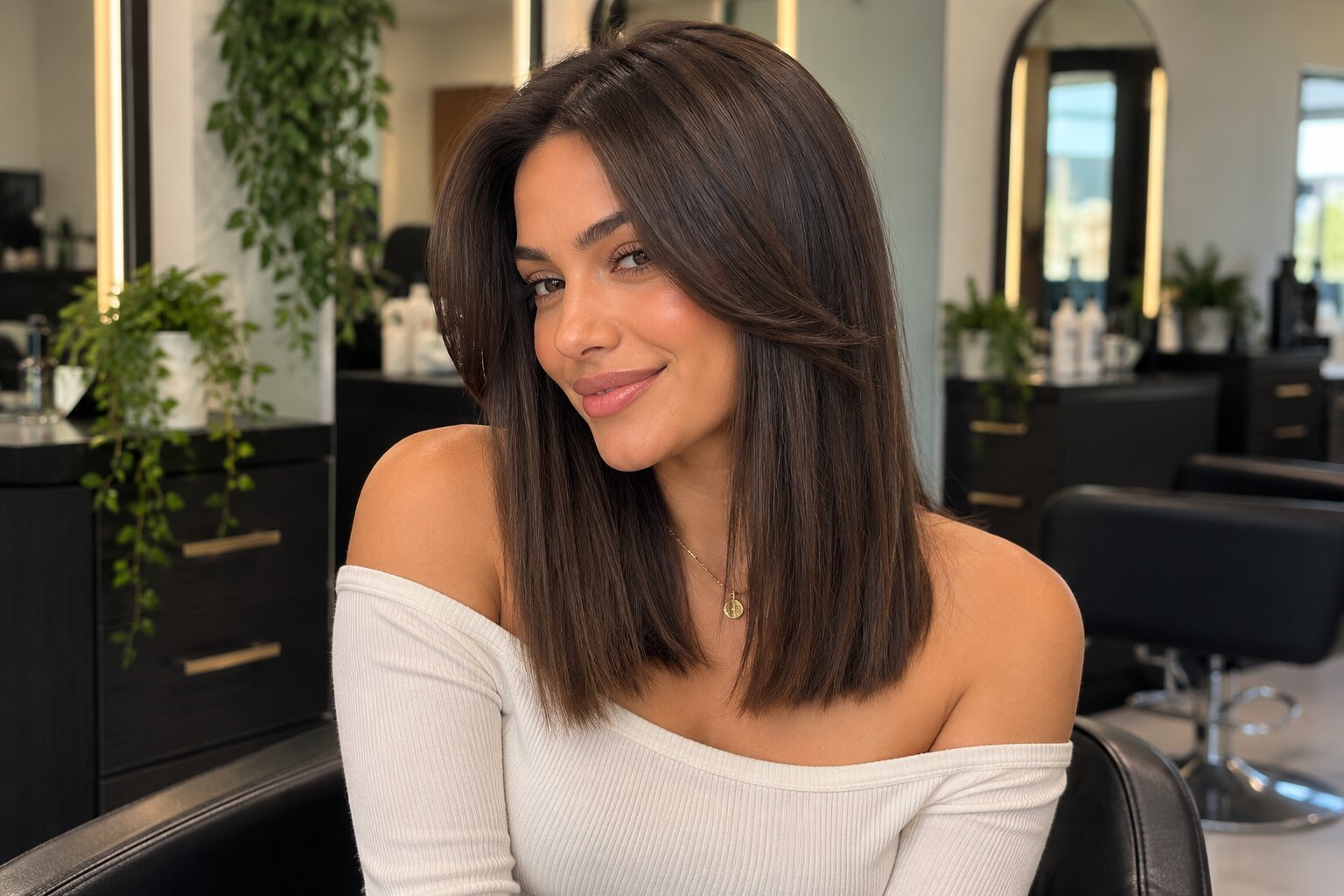
A blunt cut is hair cut straight across at one [...]
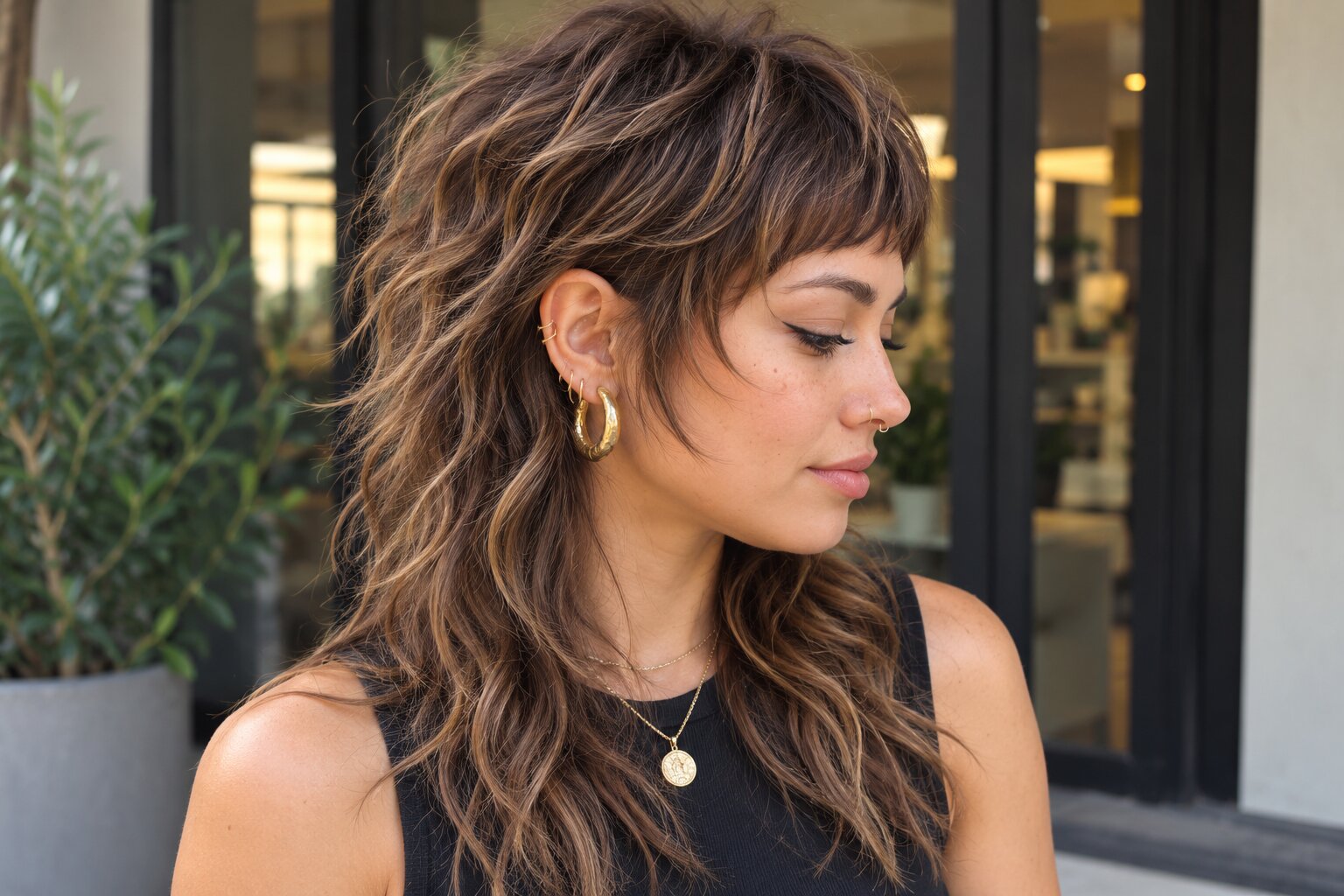
A shullet is a shag and a mullet combined. It [...]
Y2K hairstyles are already back. Claw clips, center parts, face-framing [...]