



Which Hair Extensions Are Best for Thin Hair?
Short Answer: The best hair extensions for thin hair are lightweight and gentle on your strands. Tape-ins are usually the top pick because they lie flat, spread weight evenly, and hide well in fine hair. Halo and micro-link options are also gentle, while heavier hand-tied wefts suit hair with more density. Whatever the type, choose 100% human hair and let a stylist match and place them. A free extension consultation is the safest first step.
What Makes Hair Extensions Good for Thin Hair?
Thin hair is more fragile and easier to see through than thick hair, so a few things matter more than the brand name on the box. When we help a client with fine hair choose extensions, we look at these things first.
- Weight. Fine strands can only hold so much before they feel heavy or start to pull. Lighter extensions with less hair per piece are almost always the better call.
- Tension at the attachment. The way extensions attach decides how much stress lands on your roots. Gentle, low-tension methods protect your natural hair. Tight, heavy anchors can cause breakage over time.
- How well they hide. Fine hair does not cover attachments as easily, so thin, flat pieces placed by a stylist blend in far better than bulky ones.
- Human hair. One hundred percent human hair blends with your own texture, takes color, and lasts longer than synthetic. It is worth it, especially on fine hair where blending is everything.
- The person fitting them. The single biggest factor in whether extensions look natural and stay gentle is the skill of the stylist placing them. Method matters, but placement matters more.
Fine Hair vs Thinning Hair: Know the Difference
Fine hair and thinning hair are not the same thing, and the difference changes what is safe. It is worth knowing which one you have before you book.
- Fine hair means each strand is thin, but you have a normal amount of it. Extensions are a great fit, and you have room to add real length and body.
- Thinning hair means you are losing density or shedding more than usual. Lightweight, low-tension extensions can still work, but the priority shifts to protecting what you have, so heavy or tight methods are off the table.
If your hair is shedding quickly, coming out in patches, or thinning suddenly, see a professional before adding extensions. That pattern can point to something a stylist cannot fix on its own, and a dermatologist is the right first call. Extensions add fullness, but they are not a treatment for medical hair loss.
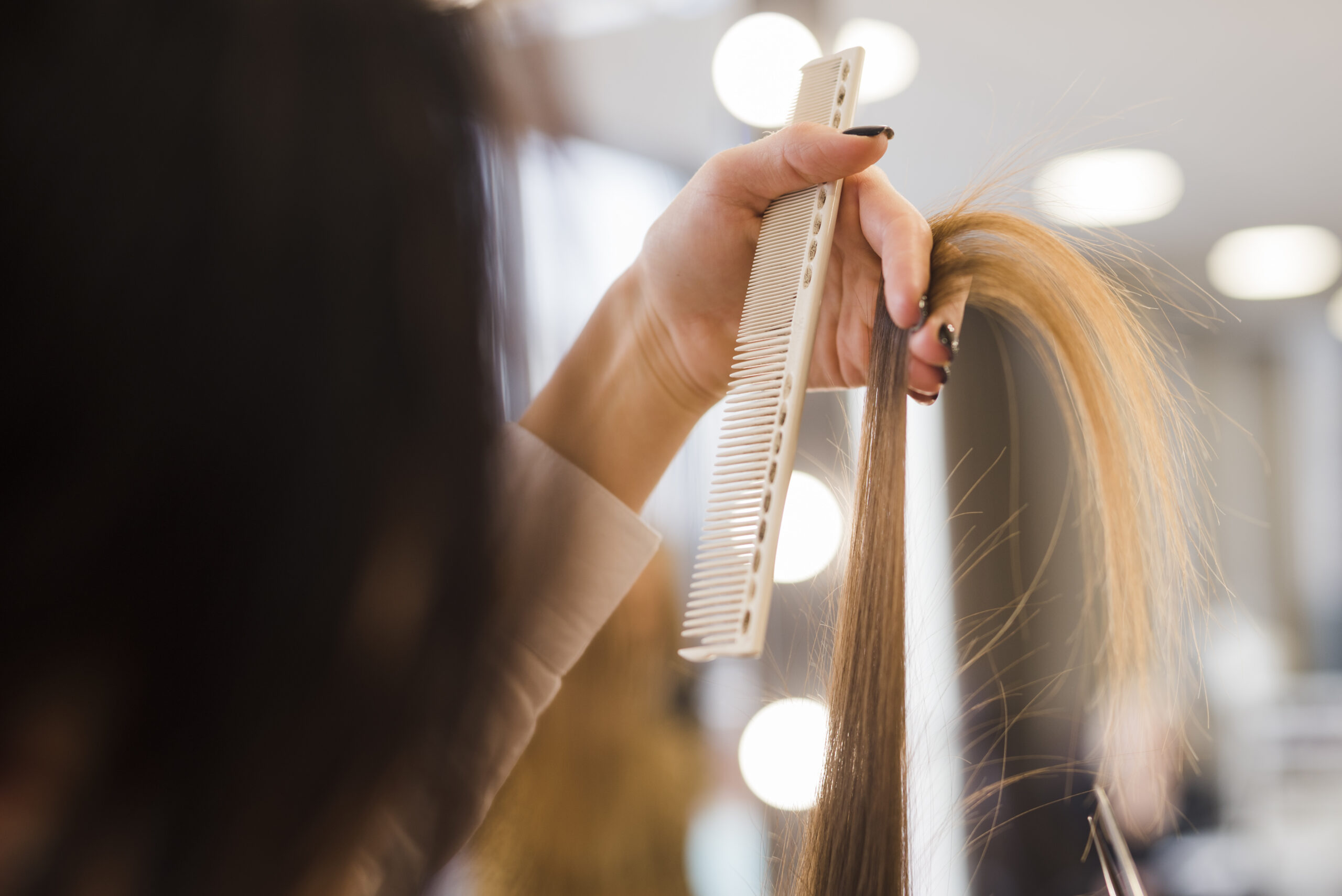
The Best Types of Hair Extensions for Thin Hair
Here are the main options you will hear about, and how each one works on fine or thinning hair.
Tape-In
Thin wefts taped close to the scalp. Wide, lightweight tape wefts lie flat, spread their weight evenly, and hide well, which makes them a top choice for fine hair. This is our go-to for most thin-hair clients.
Halo
A weft on an invisible wire that rests on your head with nothing bonded to your hair. Zero tension and easy on and off, so it is gentle, though it is best for added volume on occasion rather than everyday wear.
Micro-Link (I-Tip)
Small individual strands attached with tiny beads, no heat or glue. Lightweight and adjustable, but the attachment is concentrated, so it needs a skilled hand and is not ideal for the most fragile hair.
Hand-Tied Wefts
Wefts sewn onto a bead-and-thread row. Beautiful and natural, but heavier, so they suit hair with enough density to carry the weight comfortably.
Clip-In
Temporary pieces you clip in yourself. No commitment and no long-term attachment, which makes them a gentle pick for events or occasional volume.
| Method | Weight | Commitment | Best for thin hair |
|---|---|---|---|
| Tape-In | Light | Months, refit every 6 to 8 weeks | Everyday fullness, top pick |
| Halo | Very light | None, on and off | Occasional volume, zero tension |
| Micro-Link (I-Tip) | Light | Months | Adjustable, needs skilled placement |
| Hand-Tied Wefts | Heavier | Months | Hair with more density |
| Clip-In | Light | None, do it yourself | Events and trying extensions |
For most people with fine hair, tape-ins strike the best balance of natural look, comfort, and staying power. Clip-ins are the easiest way to try extensions with no commitment. Hand-tied wefts are gorgeous but ask more of your natural hair, so they fit best when you have enough density to support them.
Not Sure Which Type Fits Your Hair?
A free consultation is the fastest way to know. We look at your hair in person and tell you honestly which method suits it, with no pressure to book.
Call 914-574-6402 or book online.
Where to Place Extensions for Thinning on the Crown, Part, or Top
Fine hair often thins in specific spots, and placement is how a stylist works around them. Where the pieces go matters as much as which type you choose.
- A widening part. Lightweight tape-ins set near the part add density where it shows most, kept slightly back so the attachment does not peek through.
- The crown or top. This is the trickiest area, since there is less hair to hide anything. Light pieces placed below the thin zone add fullness underneath without stacking weight on already-sparse hair. Sometimes a cut or a topper suits this area better than bonded extensions, which is something we flag at your consultation.
- The hairline and temples. Gentle, light pieces add movement without pulling on the finest hairs around your face.
- Fine but even all over. When hair is fine everywhere rather than patchy, a full set of lightweight tape-ins adds even body from top to bottom.
One honest note: extensions add length and fullness, but they cannot cover a very sparse crown the way more natural hair can. If thinning in one area is advanced, we will tell you and point you to a better option.
What to Avoid, and How to Protect Thin Hair
Most extension damage comes from too much weight or too much tension, not from extensions themselves. On thin hair, a few things are worth avoiding.
- Heavy methods or very long, thick extensions that outweigh your natural hair.
- Attachments installed too tight. If it hurts or you feel a pulling headache, it is too tight. The American Academy of Dermatology explains how to prevent hair damage from a weave or extensions, including the tension warning signs to watch for.
- Skipping maintenance and removal. Grown-out extensions tug at the root, and pulling them out at home is where a lot of breakage happens.
Done properly, extensions are gentle on fine hair. If damage is your main worry, we cover it in more detail in our guide on whether hair extensions damage your hair.
Tape-In vs Clip-In for Fine Hair
These two are the most common starting points for thin hair, and they solve different needs. Tape-ins stay in for months and give you everyday fullness, while clip-ins go in and out for events with zero commitment. We break the choice down fully in our post on tape-in vs clip-in extensions for fine hair.
How Numi Fits Extensions to Your Hair
Every head of thin hair is a little different, so we do not guess. Your appointment starts with a free consultation where we look at your density, condition, and goals, then match the method, length, and color to your hair. All of our extensions use 100 percent human hair with custom color matching, and every install includes a blending haircut so the pieces disappear into your own hair. If you are still deciding between fullness from extensions or a cut that adds the look of volume, our guide to the best haircuts for fine hair is a good place to start. When you are ready, book hair extensions in Scarsdale and we will walk you through the options in person.
Book a Free Extension Consultation in Scarsdale
Numi Hair has a 4.9-star rating from more than 2,470 Google reviews, and our stylists match extensions to your hair type so thin hair looks naturally full. Consultations are free and come with no pressure to book.
Call 914-574-6402 or book online to schedule.
Frequently Asked Questions
What are the best hair extensions for thin hair?
Lightweight, low-tension types are best. Tape-ins are usually the top pick because they lie flat and hide well in fine hair. Halo and micro-link options are also gentle. Heavier hand-tied wefts work better when you have more natural density. Human hair blends best across all of them.
Can you get extensions if you have very fine or thinning hair?
In most cases, yes. The key is choosing a lightweight method and having a stylist place them so they do not stress your natural hair. A consultation matters here, because very thin or actively shedding hair sometimes needs a gentler option or a different approach first.
Do tape-in extensions work for thin hair?
Yes, and they are one of the most recommended options for fine hair. Tape-ins are thin and flat, so they sit close to the scalp, spread their weight, and hide well. Placed by a stylist with wide, lightweight wefts, they add fullness without an obvious line.
Will hair extensions make thin hair look fuller?
Yes. That is one of the main reasons people with fine hair get them. Extensions add both length and body, and a blending haircut helps them melt into your own hair so the fullness looks natural rather than added on.
Do hair extensions damage thin hair?
They can if they are too heavy, installed too tight, or removed at home, but a professional install on a lightweight method is gentle on fine hair. Proper placement, regular maintenance, and salon removal are what keep your natural hair healthy.
Categories
Recent Posts

The haircuts heading into 2027 are softer versions of the [...]
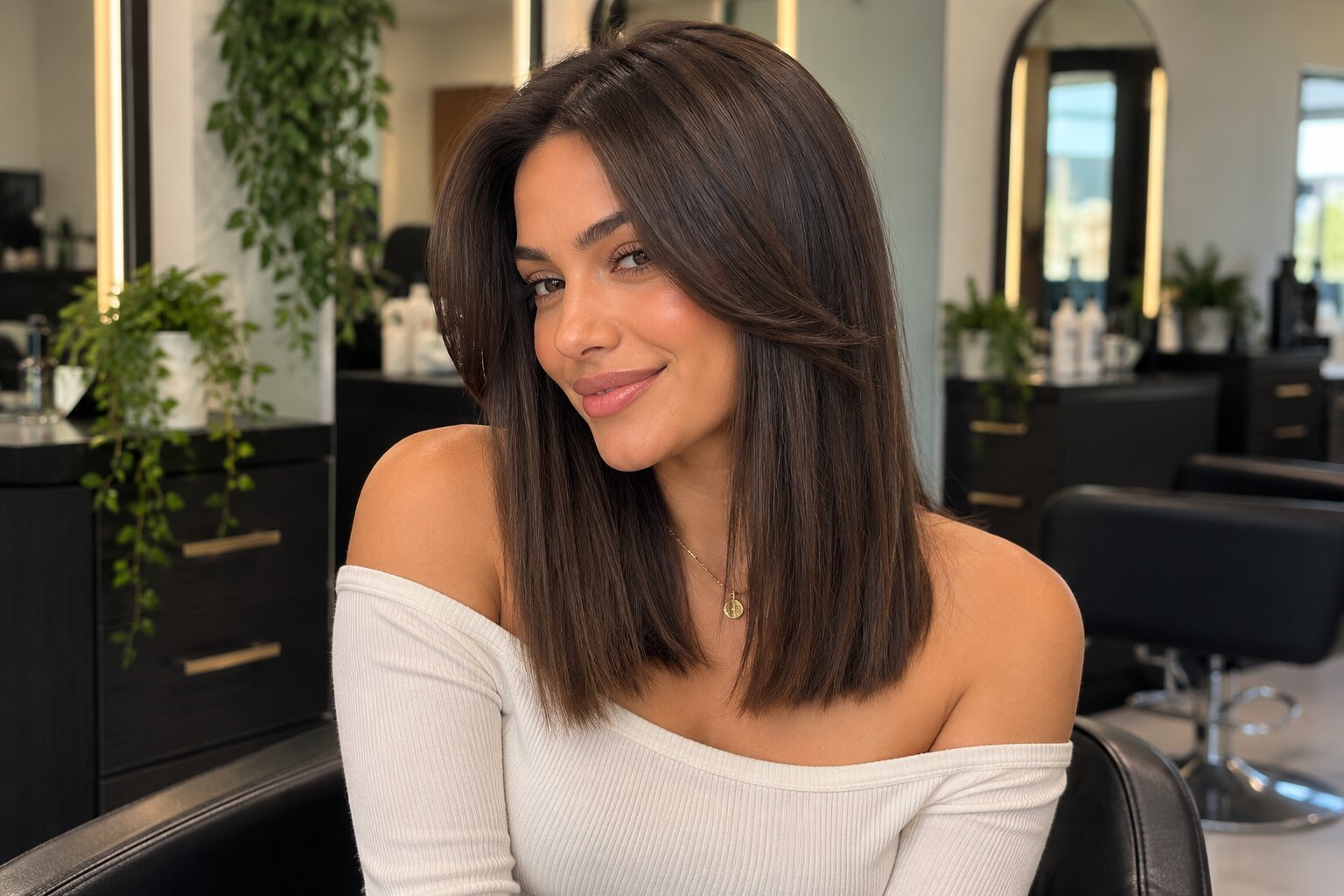
A blunt cut is hair cut straight across at one [...]
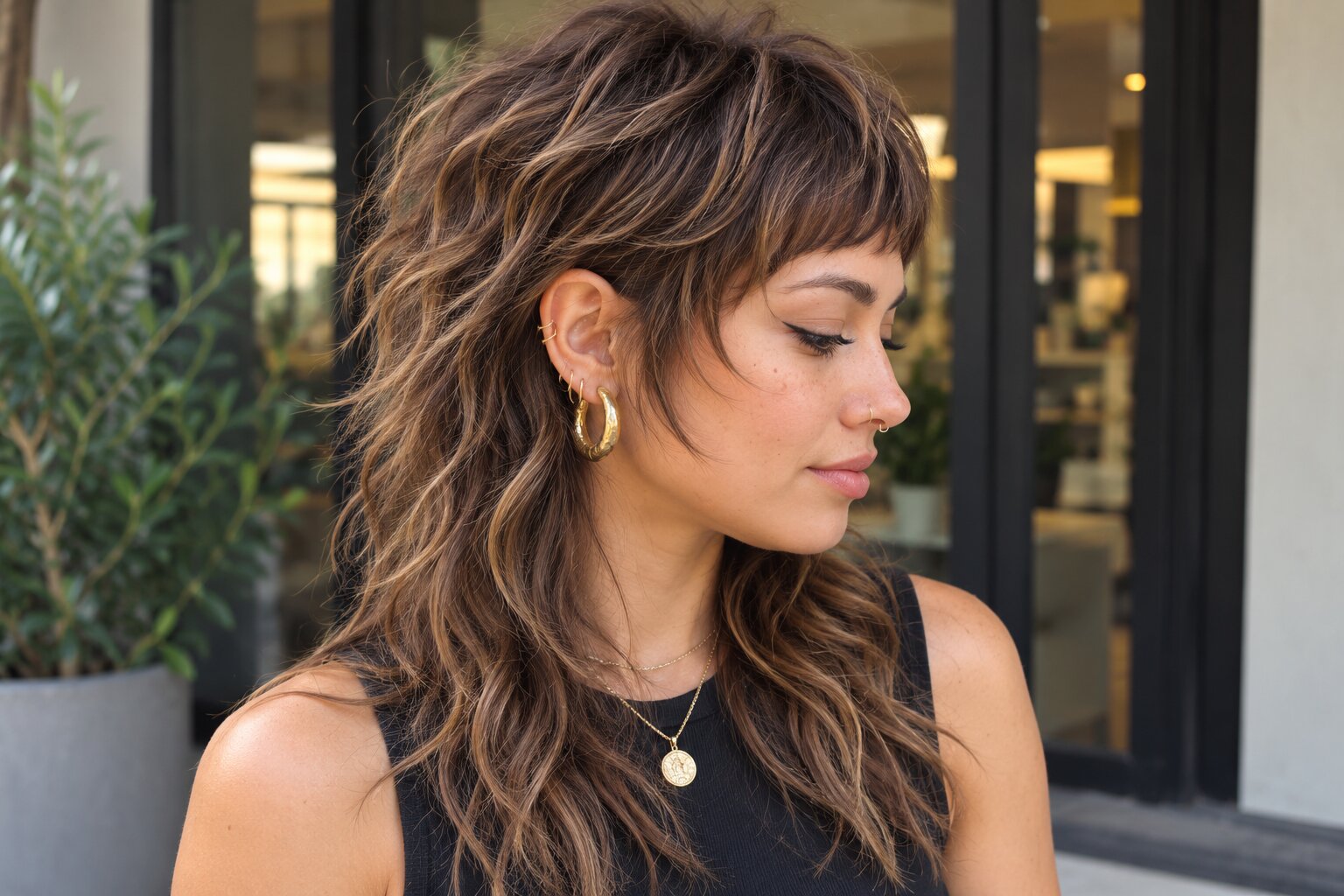
A shullet is a shag and a mullet combined. It [...]