



What Is the Difference Between Highlights and Lowlights?
Short Answer: Highlights are strands colored lighter than your base, and lowlights are strands colored darker than your base. Highlights brighten and add the look of fullness, while lowlights add depth and contrast. They are often used together to create natural, multi-dimensional color. The right mix depends on your base shade, your skin tone, and the look you want.
What Are Highlights?
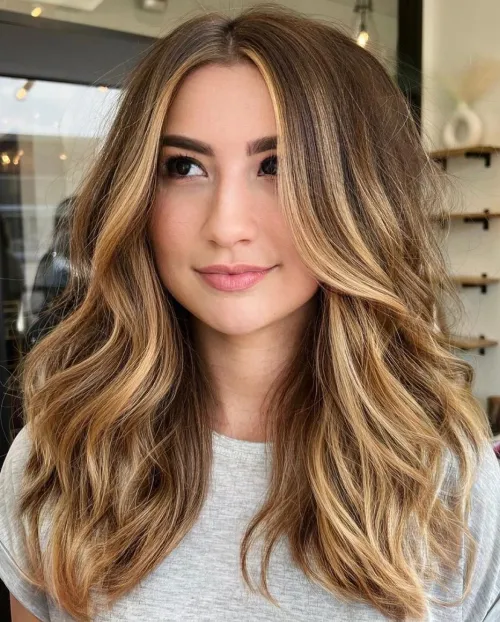
Highlights are sections of hair lightened a few shades above your natural or base color. Your colorist paints or foils lightener onto chosen strands, which lifts them brighter than the rest. The result is a sun-kissed, brightened look that adds shine and makes hair appear fuller and more dimensional.
Highlights come in a few forms. Traditional foil highlights give crisp, even brightness. Babylights are very fine, delicate highlights that mimic natural sun lightening. Face-framing highlights brighten just the pieces around your face. You can go for a full head of highlights for all-over brightness or partial highlights to brighten just the top and sides.
What Are Lowlights?
Lowlights are the opposite. They are sections of hair colored a few shades darker than your base, woven in to add depth, richness, and contrast. Instead of lifting color out, your colorist deposits a deeper tone into chosen strands.
Lowlights are the secret behind color that looks rich rather than flat. They add dimension to hair that has become too light or brassy, break up a solid block of color, and make highlights look more natural by giving them something to contrast against. On their own, lowlights add depth. Paired with highlights, they create the full range of light and shadow that reads as natural hair.
Highlights vs Lowlights: The Key Differences
Here is the side-by-side, so you can see exactly how the two compare.
| Highlights | Lowlights | |
|---|---|---|
| What they do | Lighten strands above your base | Darken strands below your base |
| Main effect | Brightness, shine, look of fullness | Depth, richness, contrast |
| Process | Lightener lifts color out | Color deposits a darker tone |
| Best for | Adding brightness and dimension | Adding depth or toning down brassiness |
| Maintenance | More noticeable regrowth, more upkeep | Fades softer, lower upkeep |
The simplest way to remember it: highlights add light, lowlights add shadow. Most flattering color uses a bit of both.
Not Sure Which You Need?
A colorist can read your base color and tell you whether highlights, lowlights, or both will get you the look you want.
Call 914-574-6402 or book a consultation.
Can You Get Highlights and Lowlights Together?
Yes, and this is where the real magic happens. Using both in the same appointment is called dimensional color, and it is what makes salon color look natural instead of flat or striped. Your colorist places lighter pieces where the sun would naturally hit, like the top of your head and around your face, and deeper pieces underneath for richness and contrast.
This is also the fix when hair has been highlighted so many times it looks washed out or brassy. Adding lowlights back in restores depth and makes the whole color look intentional. If your goal is that expensive, lived-in look, a mix of highlights and lowlights is almost always how you get there.
Colorist Tip
If you have highlighted for years and your color now looks pale or one-note, ask your colorist about adding lowlights before adding more highlights. It is often the single change that brings a tired color back to life, and it uses less lightener on your hair in the process.
Which One Is Right for You?
It depends on your starting color and the look you want.
- Choose highlights if you want to look brighter, add the appearance of fullness, or ease into a lighter overall color.
- Choose lowlights if your hair looks flat, overly light, or brassy and you want to add depth and richness back in.
- Choose both if you want the most natural, dimensional result, which is the direction a lot of people go once they see it in person.
Your base color and skin tone matter too. Warmer tones often suit golden highlights and caramel lowlights, while cooler tones lean toward ashier blondes and softer contrast. If you are not sure what suits you, our guide on how to choose hair color for your skin tone is a helpful starting point, and a colorist can read your tone in person. It is also worth noting that highlights and lowlights are a different technique from balayage, which is hand-painted for a softer, grown-out look.
How to Keep Highlights and Lowlights Looking Fresh
Dimensional color is easier to maintain than a single all-over shade, since the regrowth blends more naturally. Still, a few habits keep it looking salon-fresh. A toning glaze every few weeks refreshes tone and shine, purple shampoo keeps blonde highlights from going brassy, and gentle, color-safe products help the color last. Because highlights and lowlights use professional lightener and color, they are best done by a colorist. The FDA notes that hair dyes should be used with care, including a patch test and following directions, which is one more reason professional application is the safer route than a box at home. You can read the FDA’s guidance on hair dyes for the full list.
Book Your Color Appointment in Scarsdale
Not sure whether you need highlights, lowlights, or both? Numi Hair has a 4.9-star rating from more than 2,470 Google reviews, and our colorists will look at your base color, skin tone, and goals and design your color in a consultation.
Call 914-574-6402 or book online, or explore our color services in Scarsdale.
Frequently Asked Questions
What is the difference between highlights and lowlights?
Highlights are strands colored lighter than your base, and lowlights are strands colored darker than your base. Highlights brighten and add the look of fullness, while lowlights add depth and contrast. Many people get both together for a natural, multi-dimensional result.
Are lowlights better than highlights for dark hair?
Not better, just different. Dark hair often looks great with a mix. Subtle highlights add brightness and dimension, while lowlights deepen and enrich the base. A colorist can balance the two so dark hair keeps depth without looking flat.
Do lowlights need as much maintenance as highlights?
Usually less. Because lowlights are closer to or darker than your base, the regrowth blends more softly and does not create an obvious line the way lightened highlights can. Highlights tend to need touch-ups a little more often.
What are babylights?
Babylights are very fine, delicate highlights placed close together to mimic the natural, soft lightening you would get from the sun as a child. They are a popular choice for a subtle, natural brightened look, especially on fine hair.
How often do highlights and lowlights need a touch-up?
Most people refresh highlights every 8 to 12 weeks, depending on how much contrast there is with the regrowth. Lowlights and full dimensional color often stretch longer because the grow-out is softer. A toning glaze between visits keeps color fresh in the meantime.
Can highlights and lowlights fix brassy or over-lightened hair?
Yes. Adding lowlights back into hair that has been lightened too much restores depth and richness, and a toning glaze corrects brassy tones. Together they make washed-out color look intentional and dimensional again.
Categories
Recent Posts
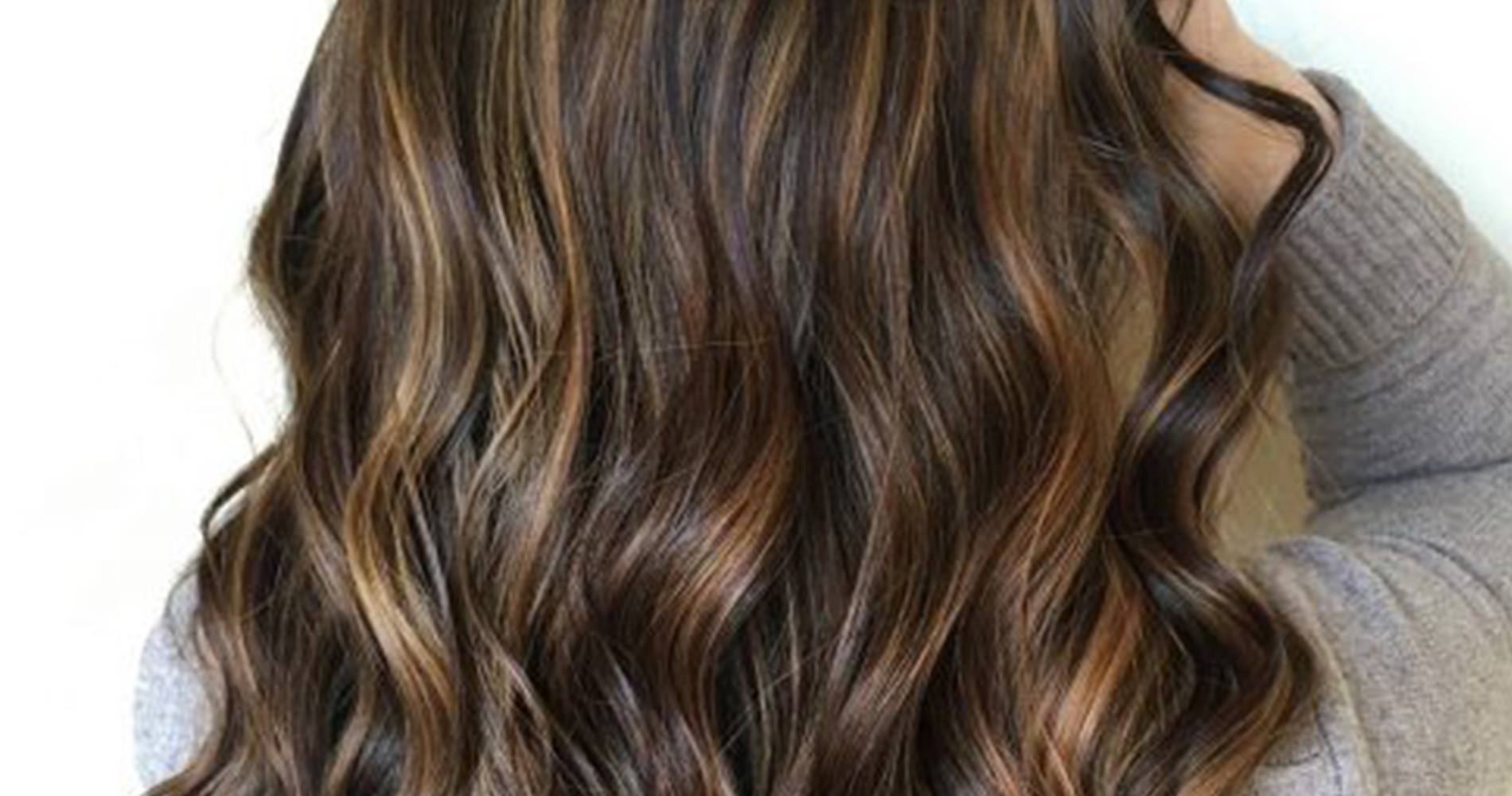
The difference between highlights and lowlights comes down to one [...]

If you have thin or fine hair, the best hair [...]
A blowout at a hair salon is a service where [...]