



Color Melting Hair 2027: The Seamless Gradient Technique Replacing Ombré
Short Answer
Color melting hair creates seamless transitions between multiple shades with no visible lines or harsh breaks. The technique blends colors by physically rubbing them together during application, creating a gradient that looks natural and dimensional. Unlike balayage or ombré, color melting focuses on eliminating contrast rather than creating it.
The result is hair that looks like it naturally lightened in different areas over time. Color melting works on all hair lengths and textures. It grows out beautifully because the color transitions gradually from root to tip with no obvious regrowth line.
Stylists use color melting to create everything from subtle brunette dimension to bold fantasy color blends. The technique took off in 2026 because clients want low-maintenance color that still looks high-end.
How Does Color Melting Differ From Balayage?
Balayage paints highlights onto the hair in sweeping strokes. The color sits on top of your base. You can see where one tone ends and another begins if you look closely. Color melting eliminates that separation.
The colorist applies multiple shades to different sections of your hair. Then they blend the areas where the colors meet by physically working them together. The goal is to remove any visible line between tones.
Think of it like watercolor painting. Balayage is controlled brush strokes. Color melting is when the colors run together and create a soft wash of color instead of defined streaks.
Why Color Melting Looks More Natural
When hair lightens naturally from sun exposure, it does not lighten in distinct sections. It fades gradually with no clear separation between dark and light. Color melting mimics that natural process.
Your hair ends up with dimension and movement, but nothing looks painted on or artificially placed. The transitions are so smooth that you cannot tell where one color starts and another stops.
Color Melting in the Spotlight
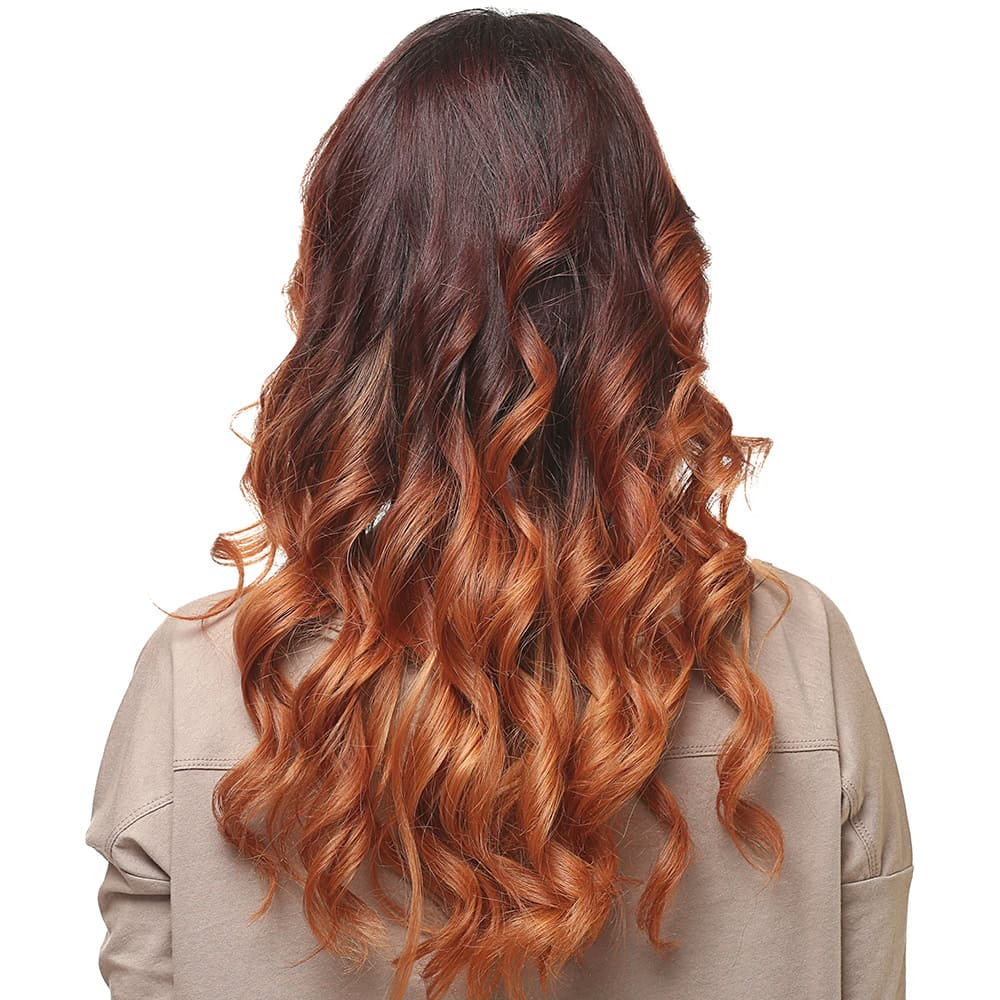
Major fashion publications have taken notice of the color melting trend. Vogue recently covered the technique in their breakdown of the color melting hair dye trend, highlighting how it creates softer, more wearable color than traditional highlighting methods. The technique has moved from salon insider knowledge to mainstream demand as clients look for color that requires less maintenance without sacrificing style.
What Are the Benefits of Color Melting?
Color melting delivers results that last longer between salon visits. The smooth gradient grows out without creating a harsh line at the roots. Most clients go 12 to 16 weeks between appointments.
The technique also works on hair that has been previously colored. If you have old highlights or ombré that needs updating, color melting can blend everything into a cohesive look without starting over from scratch.
Low Maintenance and Versatile
You can achieve color melting with natural shades like caramel into blonde or brunette into honey. You can also use it for bold looks like rose gold fading into lavender or copper melting into auburn.
The technique adapts to your goals. If you want subtle dimension, your colorist uses shades close to your natural color. If you want a statement look, they use contrasting tones and blend them seamlessly.
Who Should Get Color Melting?
Color melting works best for clients who want dimensional color without the commitment of frequent touch-ups. If you visit the salon every 6 weeks for root maintenance, this technique saves you time and money.
It also works well for people transitioning between color services. If you have grown-out highlights or old ombré, color melting can blend the existing color into a fresh look without stripping everything and starting over.
Best Hair Types for Color Melting
All hair types benefit from color melting, though the shades you pick should still follow your skin tone. Our guide to choosing hair color for your skin tone covers how to narrow it down. Straight hair shows off the smooth gradient beautifully. Wavy and curly hair gets extra dimension because the color shifts as the hair moves.
If you have fine hair, color melting adds visual depth without adding bulk. If you have thick hair, it breaks up solid color and creates movement.
How Long Does Color Melting Last?
Color melting typically lasts 12 to 16 weeks before you need a refresh, which is at the long end of what hair color usually lasts. The exact timeline depends on how fast your hair grows and how much contrast exists between your natural base and the lightest tones.
Because the technique creates a gradient rather than distinct sections, regrowth blends in naturally. You will not see a harsh line forming at your roots the way you would with traditional highlights.
Maintaining Color Melting at Home
Use sulfate-free shampoo to prevent color from fading too quickly. A glaze between appointments refreshes the tone without touching the gradient. Sulfates strip the toner and leave your color looking brassy. Look for shampoos labeled color-safe or designed for lightened hair.
Deep condition once a week. Lightened hair needs extra moisture to stay soft and shiny. A weekly mask keeps your color vibrant and your hair healthy between salon visits.
Limit heat styling when possible. Always use a heat protectant before blow-drying or flat-ironing. Heat breaks down the color molecules and causes fading.
How Much Does Color Melting Cost?
Color melting at Numi: $200 to $450
Set by hair length, how many colors are used, and whether toning is needed. Appointments run 2.5 to 4 hours.
Color melting costs between $200 and $450 depending on hair length, the number of colors used, and whether you need toning afterward. The price sits between balayage and a full double-process color service.
The technique takes longer than standard highlights because the colorist spends time blending the shades together. Most appointments run 2.5 to 4 hours from consultation to final blowout.
Factor in the maintenance schedule when comparing costs. If you visit the salon 3 to 4 times per year for color melting instead of 6 to 8 times for traditional highlights, the annual cost often ends up lower.
What Should You Bring to Your Consultation?
Bring reference photos that show the type of blend you want. Screenshots from Instagram or Pinterest work well. Your colorist needs to see whether you want subtle dimension or dramatic contrast.
Be clear about your maintenance preferences. If you can visit the salon every 8 weeks, your colorist can create a higher-contrast look. If you want to stretch appointments to 16 weeks, they will keep the blend closer to your natural base.
Ask about toning. Most color melting services include a toner to perfect the final shade, but confirm this during your consultation. Toner is what removes brassiness and gives you the exact tone you see in the reference photos.
Can You Combine Color Melting With Other Techniques?
Yes. Many colorists combine color melting with balayage to create even more dimension. They start with hand-painted highlights, then blend those highlights into the base using color melting techniques.
You can also add a root shadow or smudge to color melting. This darkens the roots slightly so regrowth blends in even better. The combination gives you the longest possible time between appointments.
It also pairs naturally with a classic ombre, because the two techniques solve opposite problems: ombre creates contrast, color melting removes it. Used together you get a defined shift at the ends with no hard line anywhere above it. For where the technique sits against everything else this year, see our hair color trends for 2026.
Color Melting With Fashion Colors
Color melting works beautifully with bold, non-natural shades. Stylists use it to blend pink into purple, blue into teal, or copper into rose gold. The smooth transitions make fantasy colors look polished instead of patchy.
If you want vibrant color, keep in mind that fashion shades fade faster than natural tones. You may need to refresh the color every 8 to 10 weeks to keep it looking crisp.
Frequently Asked Questions
What is color melting hair?
Color melting blends two or more shades together during application so there is no visible line between them. The colorist physically works the colors into each other where they meet, which creates a gradient that reads like hair that lightened on its own.
Is color melting the same as balayage?
No. Balayage paints highlights onto the surface of the hair and keeps some contrast between tones. Color melting does the opposite: it removes contrast so the tones run together. Many colorists use both in one appointment, painting with balayage and then melting the joins.
Does color melting work on brunette hair?
Yes, and brunettes are among the best candidates. Melting caramel or honey into a brunette base adds visible dimension without the regrowth line that highlights create, which is why it suits anyone who wants depth but does not want a six-week root appointment.
How much does color melting cost at Numi?
Between $200 and $450, set by hair length, how many colors are used and whether toning is needed. That sits between a balayage and a full double-process service. Appointments run 2.5 to 4 hours.
How often do you need to redo color melting?
Every 12 to 16 weeks for most clients. Because the gradient has no hard line, regrowth blends in rather than showing as a band, so you can stretch appointments further than you could with traditional highlights.
Ready to try color melting?
If you are ready to experience seamless, low-maintenance color, color services in Scarsdale at Numi Hair Salon deliver the dimensional, natural-looking results you want. Our colorists use professional-grade products from Kerastase, Olaplex, and Oribe to protect your hair during the lightening process.
Whether you want subtle caramel dimension or a bold fantasy color blend, our team will create a custom color plan that fits your lifestyle and maintenance preferences. Book your appointment today and discover why color melting is replacing traditional highlights in 2026.
Numi Hair Salon, 69 Harney Road, Scarsdale, NY 10583. Voted Best Hair Salon in Westchester and named one of the 100 Top Salons in the U.S.
Categories
Recent Posts
A blunt cut is hair cut straight across at one [...]
A shullet is a shag and a mullet combined. It [...]
Y2K hairstyles are already back. Claw clips, center parts, face-framing [...]