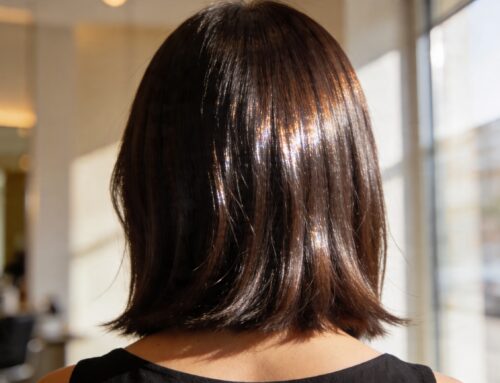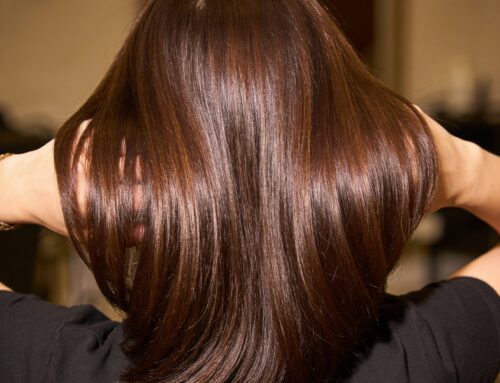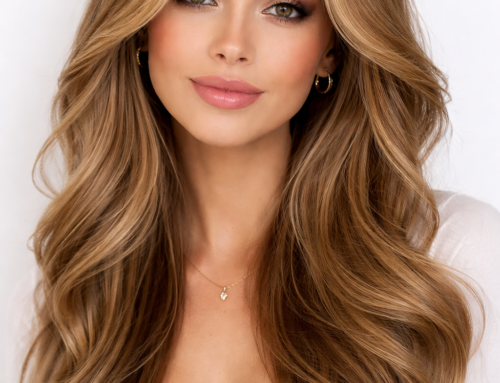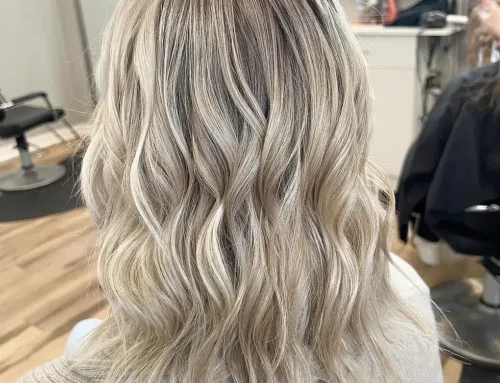



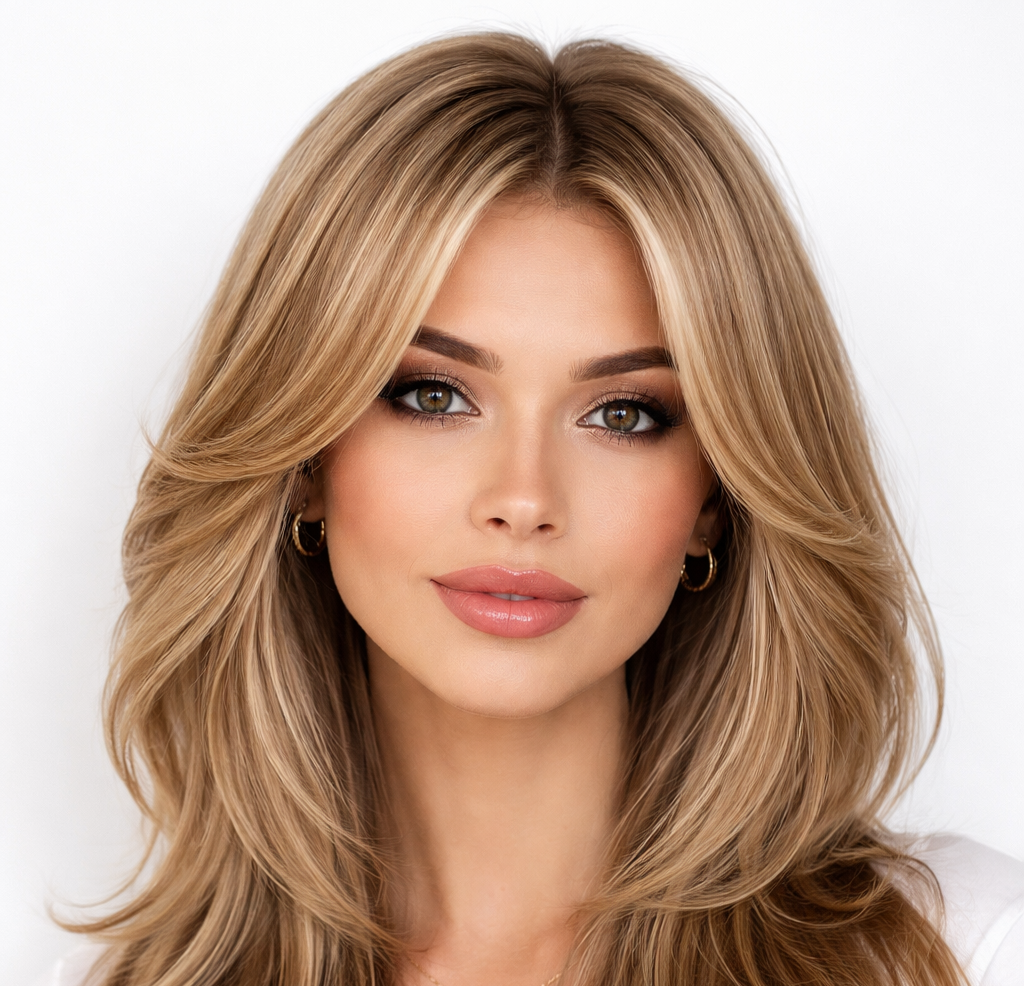
The butterfly cut is a heavily layered haircut that combines short, face-framing layers with longer lengths underneath, creating a winged effect that mimics butterfly wings. It adds major volume and movement without sacrificing length. And with over a billion views on TikTok, it is the most-requested women’s haircut of 2026.
If you have been scrolling through hair inspo lately, you have seen it everywhere. Jennifer Lopez, Sydney Sweeney, Sabrina Carpenter, and Jenna Ortega all wear versions of it. The reason it is so popular? It is flattering on almost every face shape, works on most hair textures, and lets you switch up your look without cutting off inches you love.
Here is everything you need to know before you book your next salon appointment.
What Makes the Butterfly Cut Different?
The butterfly cut is not just a standard layered haircut. What sets it apart is how the layers are placed.
The shortest layers start at the cheekbone or chin, framing your face. The longest layers stay at your natural hair length underneath. When you flip the top layers outward, they fan out like wings. That is where the name comes from.
Think of it as the modern, softer cousin of the 1970s shag. It has the same movement and volume, but the edges are smoother and more wearable.
How It Compares to Other Layered Cuts
- Shag: More choppy, edgy, and rock-and-roll. The butterfly cut is softer.
- Wolf cut: Combines a mullet shape with shag texture. The butterfly cut keeps the length even in the back.
- Standard layers: Layers are spread evenly throughout the hair. The butterfly cut concentrates the shortest layers around the face for that winged effect.
- Curtain bangs: Only frames the face with fringe. The butterfly cut goes further, adding layers throughout the top and sides.
Who Should Get a Butterfly Cut?
One reason the butterfly cut is everywhere is that it flatters almost everyone. Still, there are a few factors that help you decide if it is right for you.
It works best on:
- Medium to long hair (at least shoulder length)
- Thick hair that needs some weight removed
- Fine or thin hair that needs volume and lift
- Straight, wavy, and curly textures (all three work)
- Anyone who wants a big change without losing length
It is less ideal for:
- Very short hair (the layers need room to work)
- Hair that is heavily damaged (layers show split ends more)
- People who want a sharp, blunt, geometric shape
Face Shape Guide
The butterfly cut adapts to every face shape when your stylist places the layers strategically. Here is what to expect:
- Oval: Almost any version works. Ask for layers starting at the cheekbone.
- Round: Request shorter layers near the chin to add length and angle.
- Square: Soften jaw lines with layers that hit just below the jaw.
- Heart-shaped: Focus on fuller layers near the jaw to balance a wider forehead.
- Long: Pair it with curtain bangs to shorten the visual length of your face.
For more detail on the latest layered haircut trends and expert tips from celebrity stylists, Refinery29 covered the butterfly cut as one of 2026’s top spring haircut trends.
Butterfly Cut Styling: How to Get the Winged Look
The cut itself does most of the work. But styling is how you get that signature butterfly shape. Here is the at-home routine most stylists recommend.
Step-by-Step
- Start with damp hair. Apply a lightweight styling cream from mid-lengths to ends.
- Add a volumizing mousse or spray at the roots for lift.
- Blow-dry upside down first. This gets maximum volume at the crown.
- Flip your head back up. Use a large round brush to dry the face-framing layers outward, away from your face.
- Curl or wave the lengths if you want extra movement. A 1-inch curling iron works well.
- Finish with a small amount of hair oil or shine serum on the ends.
The key is directing the shortest layers outward, not down. That outward flip is what creates the winged effect.
How to Ask Your Stylist for a Butterfly Cut
Bring photos. Stylists love when clients come in with reference images because “butterfly cut” can mean slightly different things to different people.
When you sit in the chair, tell your stylist:
- How short you want the shortest face-framing layer (cheekbone, chin, or collarbone are common)
- Whether you want bangs added (curtain bangs, soft fringe, or wispy bangs all pair well)
- Whether you want the ends blunt or feathered
- How much overall length you want to keep
At Numi Hair Salon, our stylists customize the butterfly cut to your hair type, texture, and face shape. If you are booking your first butterfly cut in Westchester, check out our women’s haircut service page for details on what to expect at your appointment.
How Often Should You Trim a Butterfly Cut?
The butterfly cut is designed to grow out gracefully. That is part of its appeal. Still, a trim every 8 to 12 weeks keeps the layers sharp and prevents the shape from disappearing as your hair grows.
If you have bangs, you will want to trim them separately every 4 to 6 weeks. Bangs grow faster than the rest of your hair and lose their shape first.
Will the Butterfly Cut Still Be Trending in 2027?
Probably. Unlike some viral haircut trends that fade after a season, the butterfly cut has staying power for three reasons.
First, it is based on a classic silhouette. The layered, face-framing shape has been around since the 1970s Farrah Fawcett era. It just keeps getting reinvented.
Second, it adapts to almost everyone. Haircut trends that only flatter one face shape or hair type usually fade fast. The butterfly cut works on most people, which keeps demand high.
Third, it grows out well. You do not need to rush back to the salon every six weeks to maintain it. That makes it a low-commitment choice, which is exactly what clients are looking for in 2026.
Ready to Book Your Butterfly Cut?
If you are ready to try the butterfly cut, Numi Hair Salon in Scarsdale has you covered. Our stylists will customize the layers to your face shape, hair texture, and lifestyle, and walk you through how to style it at home. Book your appointment at Numi Hair Salon and bring your favorite reference photos with you.