


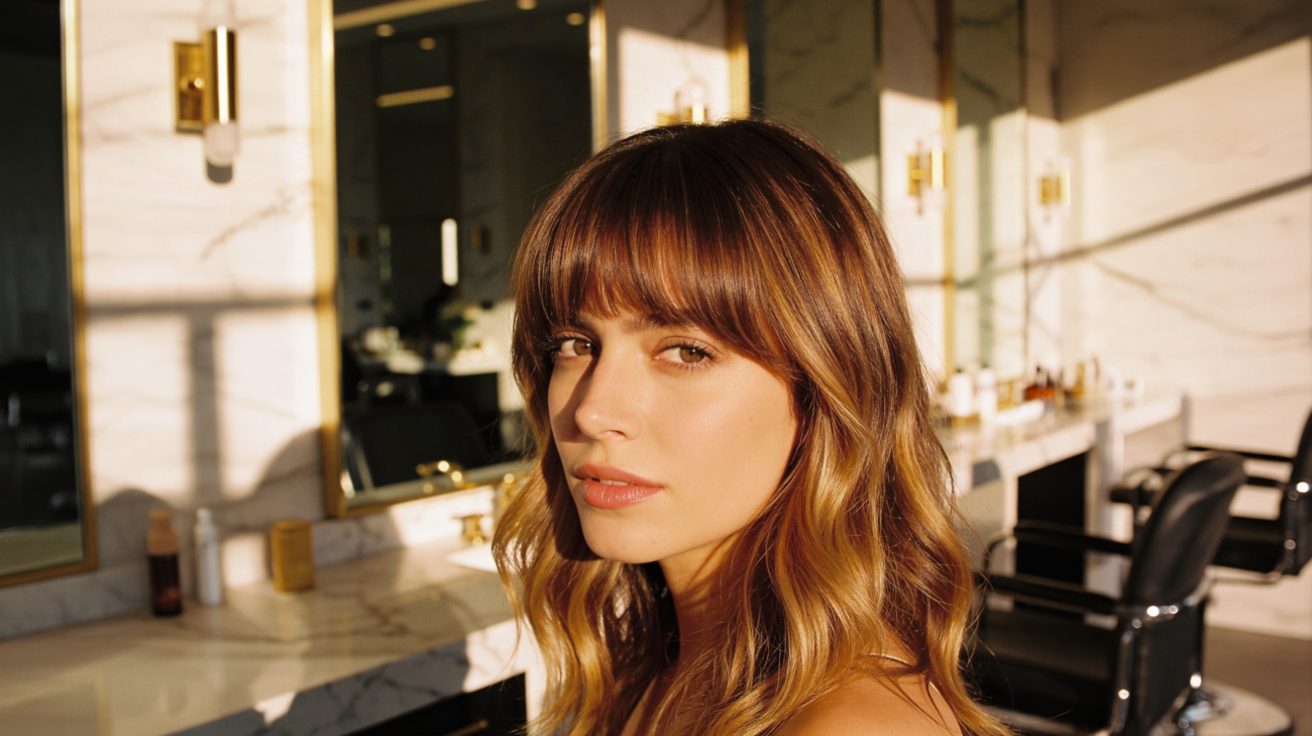
Curtain bangs are one of those styles that keep coming back because they just work. They’re softer than blunt bangs, easier to grow out, and they frame the face in a way that flatters almost everyone. But “almost everyone” isn’t everyone, and the wrong cut or the wrong maintenance routine can turn curtain bangs into a frustrating daily fight.
This guide covers who curtain bangs actually work for, what to ask your stylist, and how to keep them looking good between appointments.
The Short Answer
Curtain bangs are a face-framing fringe that parts in the middle (or slightly off-center) and sweeps to each side, framing the cheekbones. They work on most face shapes and hair types, but they’re especially flattering on oval, round, and heart-shaped faces. They require a trim every 3-4 weeks to stay in shape and take about 5 minutes to style each morning. They’re lower maintenance than blunt bangs, but not zero maintenance; you still need to style them, or they’ll just hang flat.
What Are Curtain Bangs?
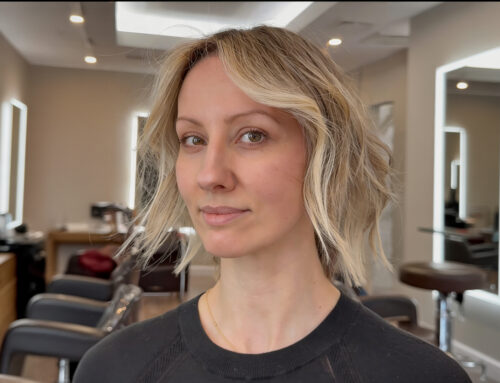
Curtain bangs get their name from how they frame the face, like curtains framing a window. They’re cut shorter in the center of the forehead and gradually get longer toward the sides, blending into the rest of your hair. The center part (or slightly off-center part) is what creates the signature “curtain” effect.
Unlike blunt bangs that sit straight across the forehead, curtain bangs have a soft, feathered edge. They’re lighter, more forgiving, and blend seamlessly into layers. You can wear them dramatic and short or subtle and long. The versatility is what makes them one of the most requested cuts at salons right now.
They also look great paired with almost any haircut. A layered cut, a bob, shoulder-length hair, or even long hair all work with curtain bangs. That flexibility is a big part of why they’ve stayed popular through multiple trend cycles.
Who Curtain Bangs Work Best For
By Face Shape
Oval faces. Curtain bangs look great on oval faces because the face is already proportional. The bangs add softness and frame the cheekbones without throwing off the balance. Almost any curtain bang length works here.
Round faces. This is where curtain bangs really shine. The center part creates a vertical line that visually elongates a round face. The side-swept pieces draw the eye outward along the cheekbones instead of emphasizing width. Keep them on the longer side, hitting the cheekbones or just below, for the most slimming effect.
Heart-shaped faces. A wider forehead with a narrower chin benefits from curtain bangs because they soften the forehead without adding volume at the top. The pieces that fall along the sides add width at the cheekbone level, which balances the narrower jawline.
Square faces. Curtain bangs work here too, but your stylist should keep them soft and wispy rather than thick and heavy. The goal is to soften the angular jawline and strong forehead, not add more structure. A slightly longer curtain bang that grazes the cheekbones works best.
Long/oblong faces. This is the one face shape where curtain bangs need more thought. If cut too long and swept too far to the sides, they can emphasize length. A shorter curtain bang that sits higher on the forehead, closer to the eyebrows, adds width and balances the proportions.
By Hair Type
Straight hair. Curtain bangs sit beautifully on straight hair with minimal effort. A round brush and blow dryer are all you need. The risk with straight hair is flatness, ask your stylist to add texture to the ends with point cutting so they don’t just hang limp.
Wavy hair. Wavy hair is arguably the best match for curtain bangs. The natural wave creates the soft, face-framing sweep automatically. You may not even need to style them, just part and go. Ask your stylist to cut them slightly longer than you think you want, because the wave will shrink them up.
Curly hair. Curtain bangs work on curly hair, but they need to be cut dry and by someone who understands how curls shrink. A curtain bang cut on wet curly hair will end up dramatically shorter once it dries and springs up. The right length when curly is usually eyebrow-grazing when stretched straight, which translates to mid-forehead when the curl bounces back.
Fine hair. Curtain bangs can work on fine hair, but go wispy. Thick, heavy bangs will make fine hair look even thinner across the forehead and take volume away from the rest of your style. A light, feathered curtain bang adds interest without sacrificing fullness. If you have fine hair, talk to your stylist about how much hair to pull into the bang section; less is more.
Thick hair. Thick hair handles curtain bangs well because there’s enough density to create the face-framing effect without looking wispy. Your stylist may thin or texturize the ends to prevent the bangs from looking too heavy or blunt.
What to Ask Your Stylist
Walking into the salon and saying “I want curtain bangs” is a start, but the details matter. Here’s what to communicate.
How short you’re comfortable going. Curtain bangs can range from eyebrow-length to cheekbone-length. Bring a photo that shows the length you’re drawn to. If you’ve never had bangs before, starting longer is safer, you can always go shorter next time.
Your parting preference. Most curtain bangs are center-parted, but a slightly off-center part works too and can add asymmetry. Tell your stylist where you naturally part your hair; fighting your natural part makes daily styling harder.
Your styling commitment. Be honest. If you’re a wash-and-go person, your stylist will cut the bangs to work with air drying. If you’re willing to spend 5 minutes with a round brush, they can create a more polished shape. The cut changes based on your answer.
Your grow-out plan. If you’re trying curtain bangs for the first time and want an easy exit strategy if you don’t love them, tell your stylist. They can cut them longer and more blended so that growing them out is seamless rather than awkward.
How to Style Curtain Bangs
Styling curtain bangs takes about 5 minutes once you know the technique.
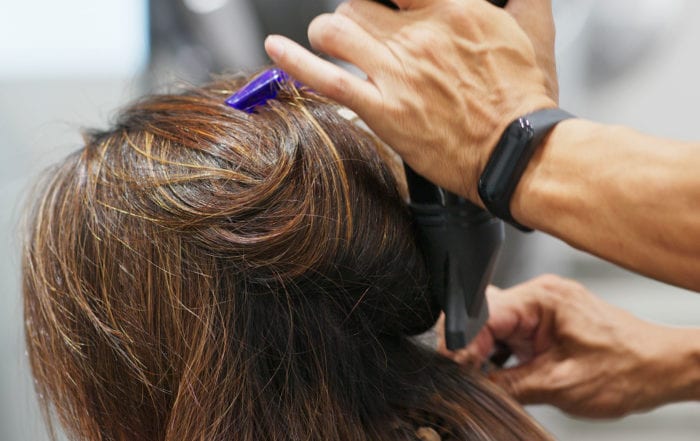
The round brush method. This gives you the classic, polished curtain bang look. After washing, blow-dry your bangs using a round brush. Roll the brush under the bangs and direct the air down and to the sides, following the direction you want them to fall. Alternate sides every few seconds so they don’t dry swept in only one direction.
The flat iron method. For a sleeker look, use a flat iron on your dry bangs. Clamp near the root and gently curve the ends away from your face as you pull through. This creates the face-framing sweep with a smoother finish than a round brush.
The air-dry method. If you have wavy or curly hair, you might not need tools at all. Part your bangs while damp, apply a light hold mousse or cream, and let them air dry. The natural texture usually creates the sweep on its own. You can pin them in place with clips while they dry to train the shape.
The velcro roller method. Roll damp bangs around a large velcro roller and let them set while you do your makeup. Remove after 10-15 minutes for effortless volume and shape with no heat.
How Often Do Curtain Bangs Need a Trim?
Every 3-4 weeks. Bangs grow into your eyes faster than the rest of your hair because they start shorter. Even a quarter inch of growth changes how curtain bangs sit and whether they still frame your face properly.
The good news is a bang trim is a quick appointment, usually 10-15 minutes. Many salons offer bang trims as a standalone service between full haircut appointments. At Numi, you can book a quick trim specifically for bang maintenance without needing a full cut.
If you’re between appointments and your bangs are getting long, you can pin them back or sweep them fully to the side as a temporary fix. Resist the urge to trim them yourself unless you’re very confident with scissors. DIY bang trims are one of the most common reasons people end up in a salon for a fix.
Growing Out Curtain Bangs
One of the biggest advantages of curtain bangs over blunt bangs is how gracefully they grow out. Because they’re already longer at the sides and blended into your layers, the grow-out phase is barely noticeable.
As they grow, the center pieces get longer, and the “curtain” effect becomes more subtle. Eventually, they just blend into face-framing layers. No awkward in-between stage, no headband required.
If you want to speed up the process, tell your stylist you’re growing them out. They can adjust the shape at each trim to help the transition, taking a tiny bit off the sides while letting the center grow, rather than maintaining the original shape.
This Might Be the Easiest Trend to Try
Curtain bangs are low-risk, high-reward. They grow out easily, they flatter most face shapes, and they add a noticeable change to your look without touching the rest of your hair. If you’ve been thinking about bangs for months but keep talking yourself out of it, curtain bangs are the safest entry point.
The worst case? You don’t love them and they grow into face-framing layers within 2-3 months. The best case? You wonder why you didn’t do this sooner.
Book Your Curtain Bang Cut at Numi Hair
Not sure if curtain bangs will work with your face shape and hair type? Our styling team can assess your features, show you what length would look best, and cut them to work with your natural texture and daily routine.
Why clients trust Numi Hair:
- Named Best Hair Salon in Westchester and a Top 100 Salon in the US
- 993+ Google reviews at 4.9 stars
- Our stylists average 10+ years of experience and train continuously on current techniques
Book your appointment online or call us at (914) 574-6402. Women’s haircuts (including curtain bangs) start at $75-$95. We’re located in Scarsdale, just off the Bronx River Parkway, easily accessible from White Plains, Eastchester, Bronxville, New Rochelle, and all of Westchester County.
Frequently Asked Questions
Are curtain bangs high maintenance?
They’re lower maintenance than blunt bangs but not zero effort. You’ll need a trim every 3-4 weeks and about 5 minutes of styling each morning (round brush, flat iron, or air dry, depending on your hair type). The tradeoff is worth it for most people; they’re one of the most flattering and versatile bang styles available.
Do curtain bangs work on round faces?
Yes, round faces are actually one of the best matches for curtain bangs. The center part creates a vertical line that elongates the face, and the side-swept pieces draw the eye along the cheekbones. Keep them on the longer side (cheekbone-length or below) for the most flattering effect.
Can I get curtain bangs with curly hair?
Yes, but they need to be cut dry by a stylist who understands curl shrinkage. Curly curtain bangs should be cut longer than you think; eyebrow-length when stretched will bounce up to mid-forehead when dry. The natural curl creates the face-framing sweep without heat styling.
How long does it take to grow out curtain bangs?
About 2-3 months for them to blend fully into face-framing layers. Curtain bangs grow out much more gracefully than blunt bangs because they’re already layered and longer at the sides. There’s no awkward in-between phase; they just gradually blend into your existing layers.
What's the difference between curtain bangs and regular bangs?
Regular (blunt) bangs cut straight across the forehead at one length. Curtain bangs are shorter in the center and gradually longer toward the sides, with a center part that creates a face-framing effect. Curtain bangs are more versatile, easier to grow out, and work with more face shapes than blunt bangs.