


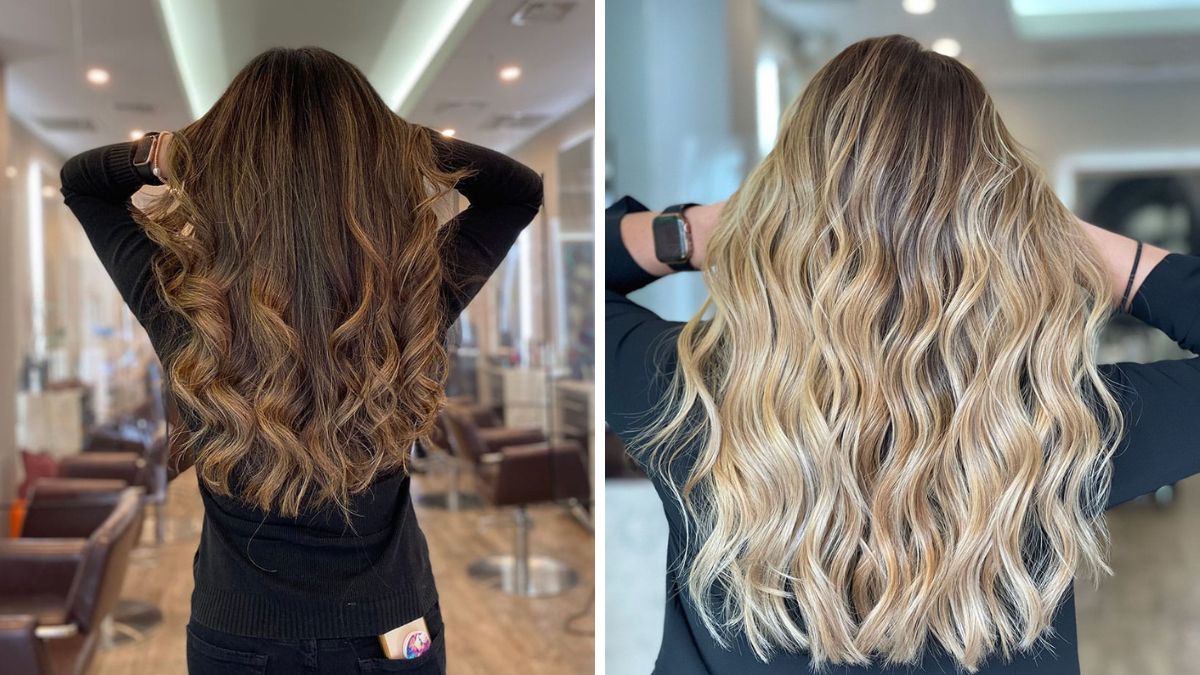
Your colorist mentioned “single process” or “double process” and you nodded like you knew what that meant. No shame, most people outside the salon industry don’t know the difference, and it rarely gets explained in plain language.
The distinction matters because it affects your appointment time, the price, the condition of your hair afterward, and whether you’ll get the result you’re picturing. This guide breaks down exactly what each one is, who needs which, and what to expect in the chair.
The Short Answer
A single-process color uses one step to change your hair color, either darker, the same level, or to cover gray. A double process uses two steps: the first lifts (lightens) your natural color, and the second deposits the new shade you want. If you’re going darker, matching your natural color, or covering gray, you need a single process. If you’re going significantly lighter than your natural shade (think brunette to blonde), you need a double process. The “double” refers to two chemical applications in one appointment, not two appointments.
What Is Single-Process Color?
Single-process color is exactly what it sounds like: one application of color from roots to ends (or roots only for a touch-up) in a single step. Your colorist mixes a permanent color formula, applies it to your hair, lets it process for 25-45 minutes, then rinses.
The formula opens the hair cuticle, removes some of your natural pigment, and deposits new pigment in its place, all in one step. The result is a uniform, all-over color that looks natural and consistent.
Common uses for single process: covering gray hair, going 1-2 shades darker, refreshing faded color, matching your natural shade with more richness and shine, and adding warm or cool tones to your existing color.
At Numi, single-process color starts at $90-$110+. We use INOA ammonia-free color ($110+) for clients who want a gentler formula with less scalp irritation and better shine retention than traditional ammonia-based dyes.
Appointment time: About 60-90 minutes, including processing, rinsing, and a blowout.
Maintenance: Root touch-ups every 4-6 weeks as your natural color grows in. The mid-lengths and ends hold color longer but may need a refresh every 2-3 appointments to prevent dullness.
What Is Double-Process Color?
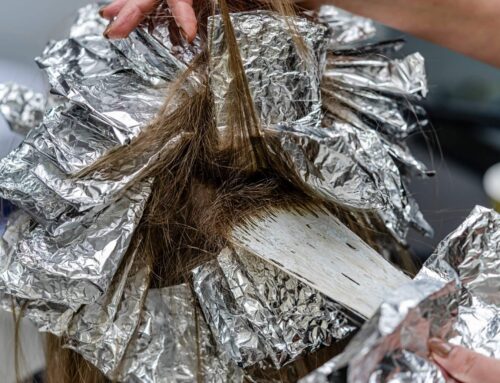
Double-process color involves two separate chemical steps in a single appointment. First, your colorist lightens (bleaches) your hair to remove your natural pigment. Then, once the hair is lifted to the right level, they apply a toner or color to deposit the exact shade you want.
The reason it takes two steps is that permanent color alone can only lift hair about 1-3 levels. If you’re starting at a level 4 (medium brown) and want to end up at a level 9 (light blonde), regular color can’t get you there. The lightener does the heavy lifting, and the toner refines the result.
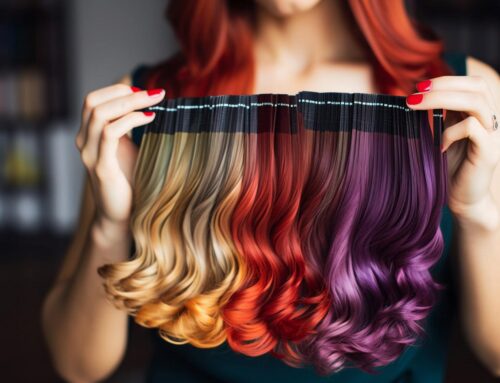
Common uses for double process: going from dark to blonde, achieving platinum or silver shades, any dramatic lightening that exceeds what single-process color can do, and creating vivid or fashion colors that require a pre-lightened base.
At Numi, double-process color starts at $180. The final price depends on how many levels of lift are needed and how much toner or color is required in the second step.
Appointment time: About 2-4 hours, depending on how dark you’re starting and how light you’re going. Some dramatic transformations may require multiple appointments spread over several weeks to protect hair health.
Maintenance: Root touch-ups every 4-6 weeks (the regrowth line is more visible on double-process blondes because the contrast between dark roots and light ends is sharp). A glaze or toner between appointments helps maintain the tone and fight brassiness.
How to Know Which One You Need
The decision is simpler than it seems. It comes down to one question: are you going lighter than your natural color by more than 2-3 shades?
You need a single process if you’re covering gray, going darker, matching your natural color with more depth or richness, adding warm or cool undertones without changing your overall level, or doing a root touch-up on previously colored hair.
You need a double process if you’re going from brunette to blonde, you want platinum, silver, or white hair, you’re creating a pastel or vivid fashion color (these require a light base to show up), or you’re making any change that requires lifting more than 2-3 levels.
You might need either, depending on the approach, if you want to go a few shades lighter. Your colorist can assess whether a high-lift single-process color will get you there or whether lightener is needed first. This is exactly the kind of thing to discuss during a consultation.
What About Highlights and Balayage?
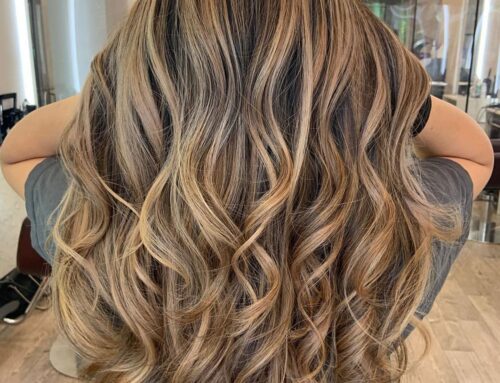
Highlights and balayage are technically a form of double processing, but only on the sections being lightened. The lightener lifts those specific pieces, and then a toner is applied to achieve the final shade. The rest of your hair stays untouched.
This is why highlights and balayage are often recommended over full double-process color when you want to go lighter. They create the appearance of lighter hair without processing your entire head, which means less damage and a more natural grow-out.
If you’re debating between all-over double-process blonde and highlights, read our comparison of balayage vs highlights for a deeper breakdown.
The Cost Difference
Single-process color costs less because it’s one step, less product, and less time. Double-process costs more because it’s two chemical applications, more product, and significantly more time in the chair.
At Numi Hair Salon, here’s how the pricing compares:
Single process: $90-$110+ (root touch-ups are on the lower end, full-head applications on the higher end). INOA ammonia-free single process: $110+. Double process: $180. Partial highlights: $150+. Full highlights: $250+. Balayage: $250+. Glaze (maintenance between appointments): $75.
Keep in mind that double-process clients also need toner refreshes between appointments to maintain the shade, which adds to the annual cost. A glaze every 4-6 weeks keeps blonde tones bright and prevents brassiness.
Hair Health Considerations
Single-process color is gentler on your hair because it’s one chemical application. It still opens the cuticle and alters the internal pigment, but the overall processing is lighter than a double process.
Double-process color is harder on hair because the lightener (bleach) is involved. Lightener breaks down melanin and weakens the protein structure of the strand. The second step, toning, adds another round of chemical processing on top of already-lightened hair.
This doesn’t mean double processing is bad for your hair. It means it requires a skilled colorist who knows how to manage the lift without over-processing, and it requires good aftercare. Adding a bond-repair treatment like Olaplex ($25+) or K18 ($20) during the appointment protects the hair during the lightening process. At Numi, we recommend this for every double-process client.
At home, use sulfate-free shampoo and conditioner, minimize heat styling, and consider a deep conditioning treatment between appointments to keep lightened hair healthy.
Book Your Color Appointment at Numi Hair
Not sure whether you need a single process, double process, or something else entirely? That’s exactly what a consultation is for. Our color specialists will look at your current color, assess your hair’s condition, and recommend the best approach to get you where you want to be, without compromising your hair’s health.
Why clients trust Numi Hair:
- Named Best Hair Salon in Westchester and a Top 100 Salon in the US
- 993+ Google reviews at 4.9 stars
- Our colorists specialize in INOA ammonia-free color and customize every formula to your hair
Book your appointment online or call us at (914) 574-6402. We’re located in Scarsdale, just off the Bronx River Parkway, easily accessible from White Plains, Eastchester, Bronxville, New Rochelle, and all of Westchester County.
Frequently Asked Questions
Is single-process color permanent?
Yes. Single-process color is a permanent dye that changes the pigment inside your hair shaft. It doesn’t wash out, but it does fade over time, especially on the mid-lengths and ends. Root regrowth becomes visible every 3-4 weeks as your natural color grows in, which is why most clients schedule touch-ups every 4-6 weeks.
Can single-process color make your hair lighter?
Only by 1-2 shades. Single-process permanent color has some lifting ability, but it’s limited. If you want to go more than 2-3 shades lighter, you’ll need a double process (lightener first, then toner) or a highlighting technique like balayage.
Does double-process color damage your hair?
How long does a double-process appointment take?
Usually 2-4 hours. The exact time depends on how dark your starting color is, how light you’re going, and whether any corrective work is needed. Your colorist will give you a time estimate during your consultation.
Can I go from brunette to blonde in one appointment?
Sometimes, but not always. If you’re starting with very dark hair or your hair has been previously colored with permanent dye, your colorist may recommend spreading the lightening over 2-3 appointments to protect your hair. Rushing the process risks serious damage, and a good colorist will prioritize your hair’s health over speed.
Numi Hair Salon is located at 69 Harney Road, Scarsdale, NY 10583, just off the Bronx River Parkway. We serve clients from White Plains, New Rochelle, Eastchester, Bronxville, Hartsdale, and throughout Westchester County.