


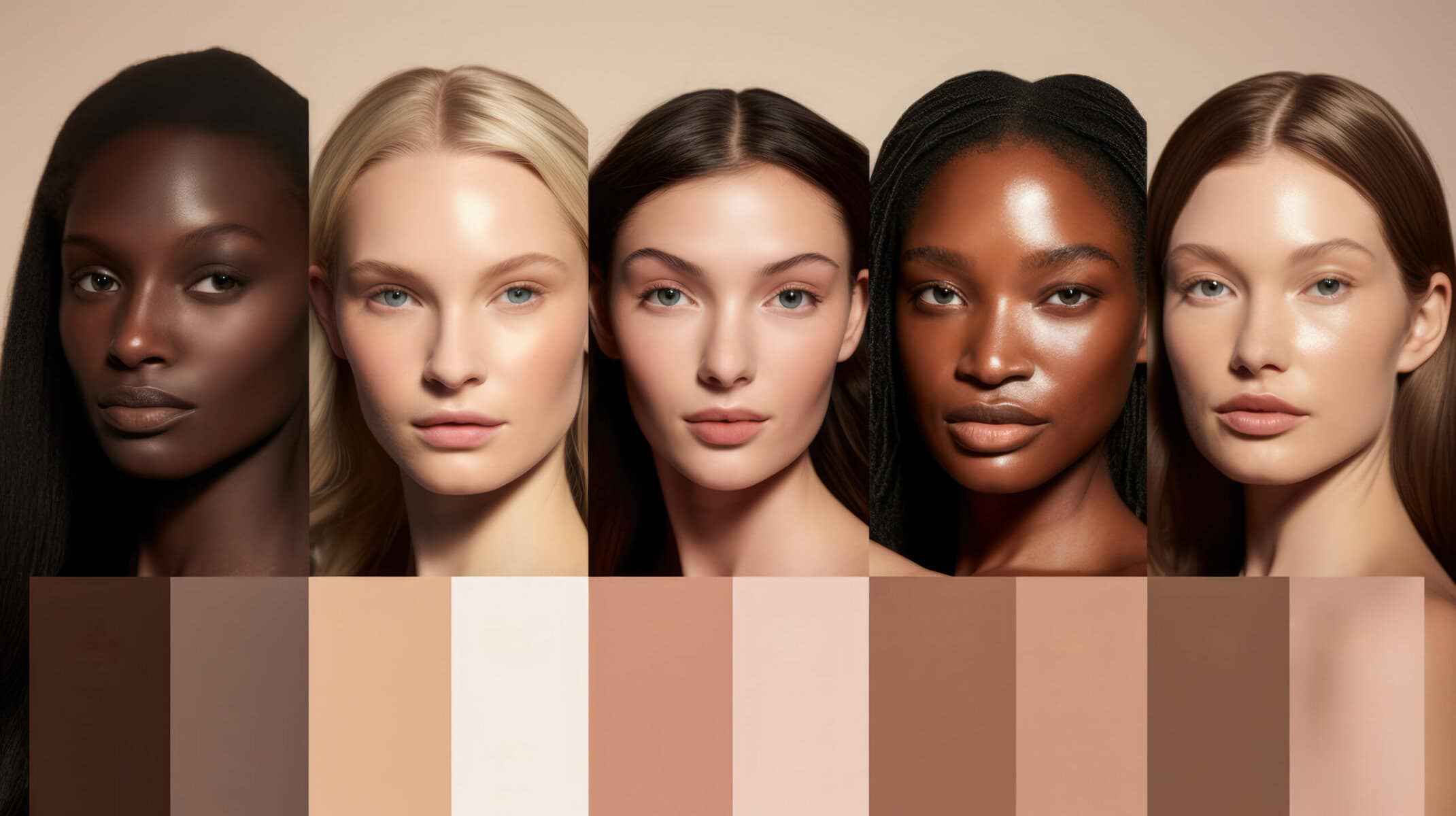
You found a gorgeous hair color on social media. You saved the photo. You showed your stylist. But when the color was done, something felt off. Your skin looked dull. Your eyes looked tired. The color was exactly what you asked for, but it did not look the same on you.
This happens more often than you think. The issue is almost never the color itself. It is the match between the color and your skin tone.
The right hair color can brighten your face, make your eyes pop, and take years off your appearance. The wrong one can wash you out or make you look exhausted. This guide will help you figure out which shades work best for you before you sit in the chair.
The Short Answer
Your skin has an undertone (warm, cool, or neutral) that determines which hair colors will look most flattering. Warm undertones look best with golden, caramel, and copper shades. Cool undertones shine with ash, platinum, and cool brown tones. Neutral undertones can go either direction. The easiest way to find your undertone is to look at the veins on the inside of your wrist in natural light.
What Is an Undertone and Why Does It Matter?
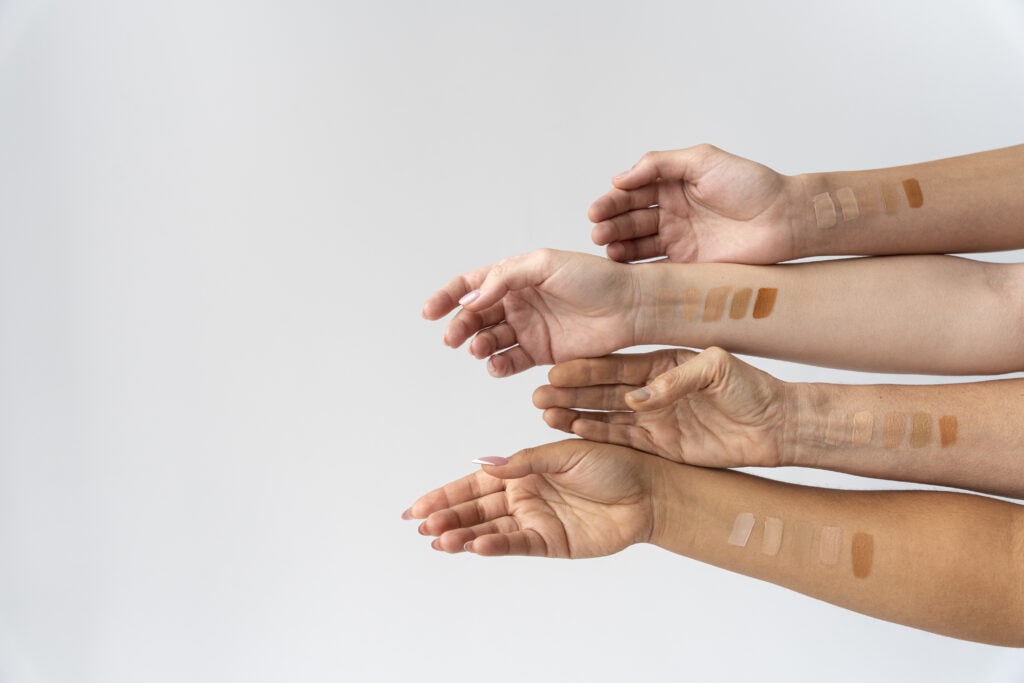
Your skin tone is what you see on the surface. Fair, medium, olive, deep. Your undertone is the color underneath that surface. It does not change with a tan or with the seasons.
There are three main undertones:
Warm undertones have golden, peachy, or yellowish hues beneath the skin. Gold jewelry tends to look better on warm skin than silver.
Cool undertones have pink, red, or bluish hues beneath the skin. Silver jewelry tends to look more flattering than gold.
Neutral undertones are a balanced mix of warm and cool. Both gold and silver jewelry look equally good.
Your undertone is the single biggest factor in choosing a hair color that flatters you. When your hair color matches or complements your undertone, everything looks harmonious. When it clashes, even a technically beautiful color can look wrong.
How to Find Your Undertone at Home
You do not need a professional color analysis to figure this out. Here are three simple tests you can do right now.
The Vein Test
Look at the veins on the inside of your wrist in natural daylight. If your veins appear mostly green, you have warm undertones. If they look blue or purple, you have cool undertones. If you see a mix of both, you are likely neutral.
The White Paper Test
Hold a plain white sheet of paper next to your bare face in natural light. If your skin looks yellowish or golden against the paper, your undertone is warm. If it looks pink or rosy, your undertone is cool. If you cannot tell either way, you are probably neutral.
The Jewelry Test
Think about which metal looks better on you. If gold makes your skin glow while silver washes you out, you are warm. If silver looks stunning while gold seems off, you are cool. If both look great, you are neutral.
Best Hair Colors for Warm Skin Tones
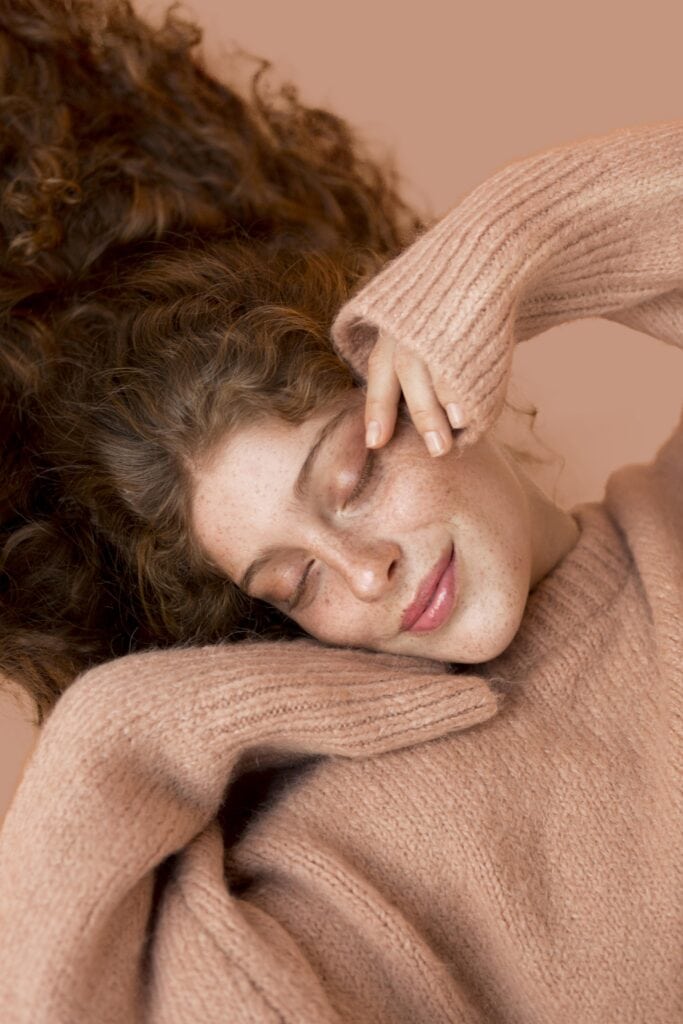
Warm skin tones look best with hair colors that echo the golden warmth already in the skin.
Blondes: Honey blonde, golden blonde, caramel blonde, and strawberry blonde all complement warm undertones. These shades bring out the natural radiance in warm skin and create a sun-kissed effect.
Browns: Rich chocolate brown, caramel brown, chestnut, and toffee shades are excellent choices. Warm brown tones add depth without creating a harsh contrast against warm skin.
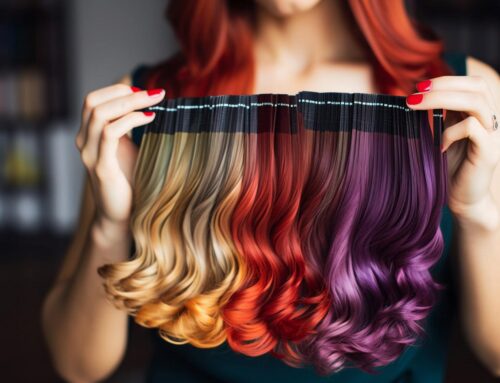
Reds: Copper, auburn, and warm red shades are particularly stunning on warm skin tones. These colors enhance the golden quality of the skin and make eyes appear brighter.
Colors to approach with caution: Ash blonde, platinum, blue-black, and any shade with blue or violet undertones can make warm skin look sallow or washed out.
At Numi Hair, our colorists frequently recommend INOA ammonia-free color for warm skin tones because it delivers rich, warm tones without damaging hair or creating unwanted brassiness.
Best Hair Colors for Cool Skin Tones

Cool skin tones come alive with hair colors that have ash, cool, or icy undertones.
Blondes: Ash blonde, platinum, champagne, and icy blonde shades complement cool undertones. These colors create a sophisticated, polished look against pink or rosy skin.
Browns: Ash brown, cool espresso, mushroom brown, and cool mocha shades pair well with cool skin. A single-process color in a rich cool brown can create stunning depth.
Reds: Burgundy, wine, berry, and blue-red shades are gorgeous on cool skin tones. These cooler reds complement pink undertones instead of competing with them.
Colors to approach with caution: Very warm, brassy, or orange-toned colors can clash with cool undertones and make skin appear ruddy.
Best Hair Colors for Neutral Skin Tones
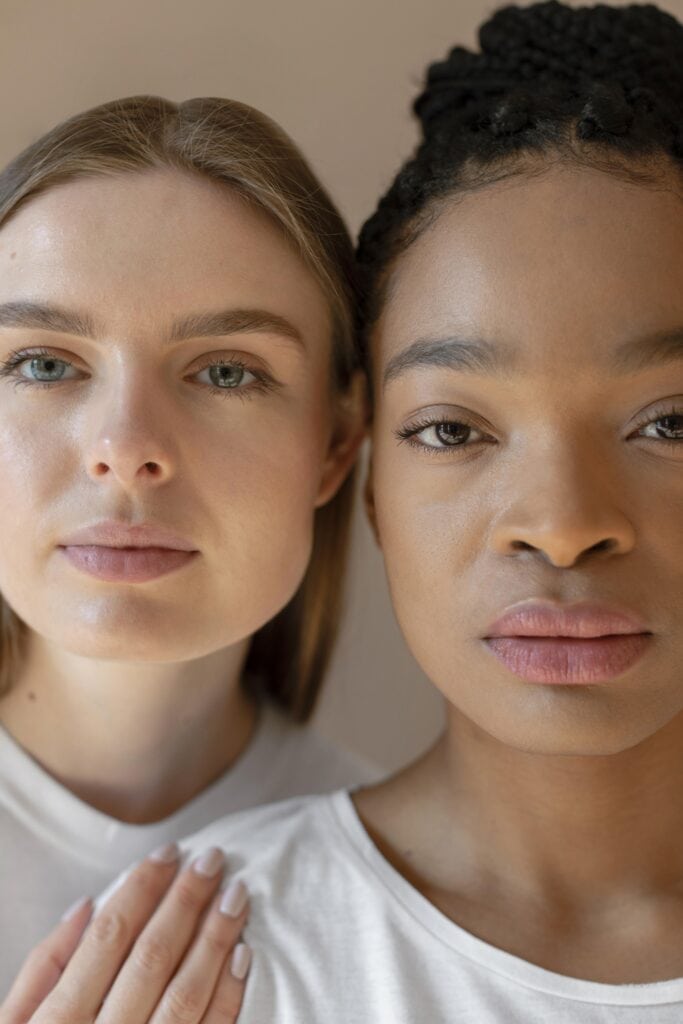
If you have neutral undertones, you have the most flexibility. Both warm and cool shades can look flattering on you.
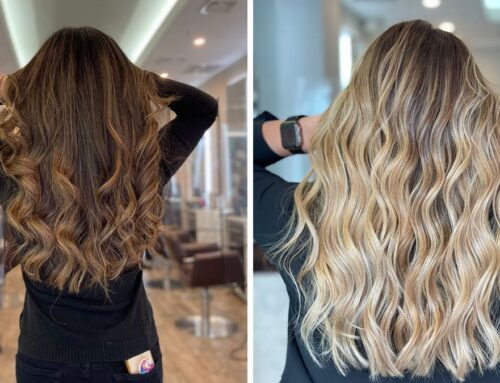
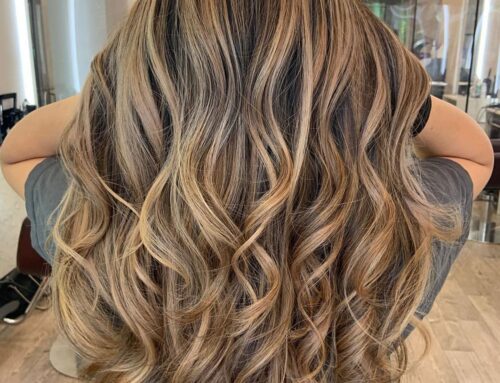
Your best options: Bronde (a blend of brown and blonde), soft caramel, beige blonde, sandy brown, and natural auburn are all safe choices that look beautiful on neutral skin. Balayage is especially flattering for neutral undertones because it blends warm and cool tones seamlessly.
Something to keep in mind: While you can wear both warm and cool shades, extreme versions of either (very icy platinum or very brassy gold) may still look harsh. A skilled colorist can help you find the sweet spot.
Best Hair Colors for Olive Skin Tones
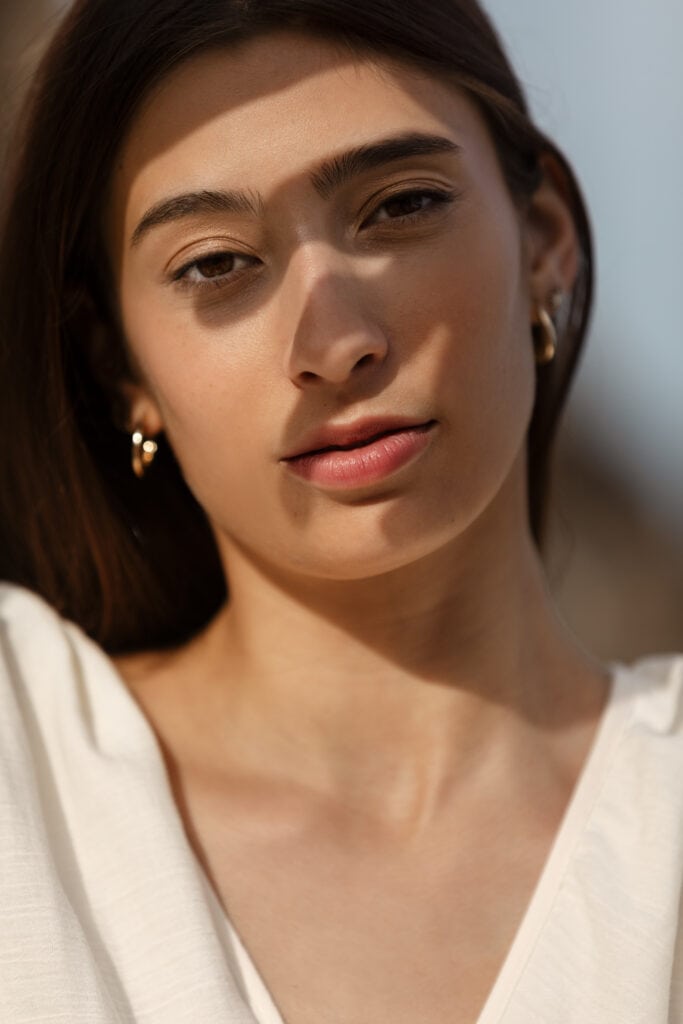
Olive skin has a greenish or yellowish undertone that is technically neutral but leans warm. The wrong hair color can make olive skin look dull or grayish.
Your best options: Rich caramel, dark chocolate, honey brown, warm auburn, and deep chestnut shades enhance olive skin. These colors bring warmth to the face and counteract any grayish or greenish cast.
Colors to approach with caution: Very ashy tones, cool platinum, or silver shades can make olive skin look muddy. If you want to go lighter, opt for warm golden tones rather than cool ash.
How Your Hair Color Choice Affects Maintenance
Your skin tone should guide which color you choose, but maintenance is a practical factor too.
Low-maintenance options: Colors close to your natural shade require fewer touch-ups. Balayage and highlights grow out more gracefully than single-process color because there is no harsh root line.
Higher-maintenance options: Dramatic changes from your natural color (like going from very dark to very light) will need more frequent visits. A glaze treatment every few weeks can extend your color and add shine between appointments.
Protecting your investment: Ammonia-free color options like INOA are gentler on hair and often fade more naturally. This means your color still looks good even as it grows out.
When to Ask a Professional
Color theory is helpful, but hair coloring has layers of complexity that go beyond skin tone alone. Your natural hair color, hair texture, how much gray you have, and your lifestyle all affect the final result.
If you are considering a major change, a consultation with a professional colorist is worth the investment. At Numi Hair, our team evaluates all of these factors during your appointment to recommend a shade that looks beautiful when you leave the salon and continues to look great as it grows.
Not sure what hair color is right for you? A consultation at Numi Hair can help. Our colorists work with every skin tone and undertone to find shades that bring out your best features.
Numi Hair Salon 69 Harney Road, Scarsdale, NY 10583 (914) 574-6402 Book a Consultation
993+ Google reviews | 4.9 stars Best Hair Salon in Westchester | Top 100 Salon in the US
Frequently Asked Questions
What is the easiest way to determine my skin undertone?
Look at the veins on the inside of your wrist in natural daylight. Green veins indicate warm undertones. Blue or purple veins indicate cool undertones. A mix of both suggests neutral undertones.
Can I wear a hair color that does not match my undertone?
You can wear any color you like. However, a skilled colorist can adjust the tone of almost any shade to complement your skin. For example, if you love red but have cool undertones, a burgundy or wine red will look more flattering than a warm copper.
Does my hair color need to change as I age?
Skin tone can shift slightly with age, and many people find that going one or two shades lighter than their natural color creates a softer, more youthful effect. A professional colorist can recommend adjustments that keep your color looking natural as your skin changes.
What if I have a lot of gray hair?
This is a question for your doctor, not your colorist. Many OBs recommend waiting until the second trimester for any hair color service. Ammonia-free formulas are generally considered a lower-exposure option, but always check with your healthcare provider first.
How do I keep my color from looking brassy?
Brassiness happens when warm pigments become exposed as color fades. Regular glaze treatments neutralize unwanted warmth and restore vibrancy. Your stylist may also recommend a color-safe purple or blue shampoo for at-home maintenance.
Numi Hair Salon is located at 69 Harney Road, Scarsdale, NY 10583 — just off the Bronx River Parkway. We serve clients from White Plains, New Rochelle, Eastchester, Bronxville, Hartsdale, and throughout Westchester County.