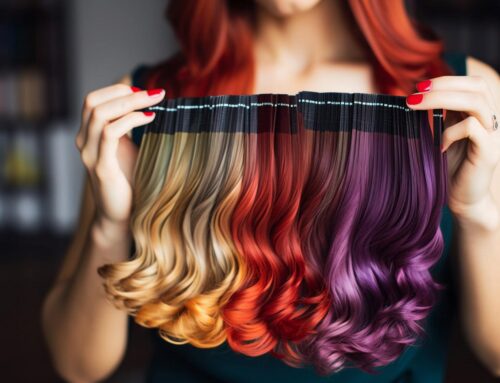



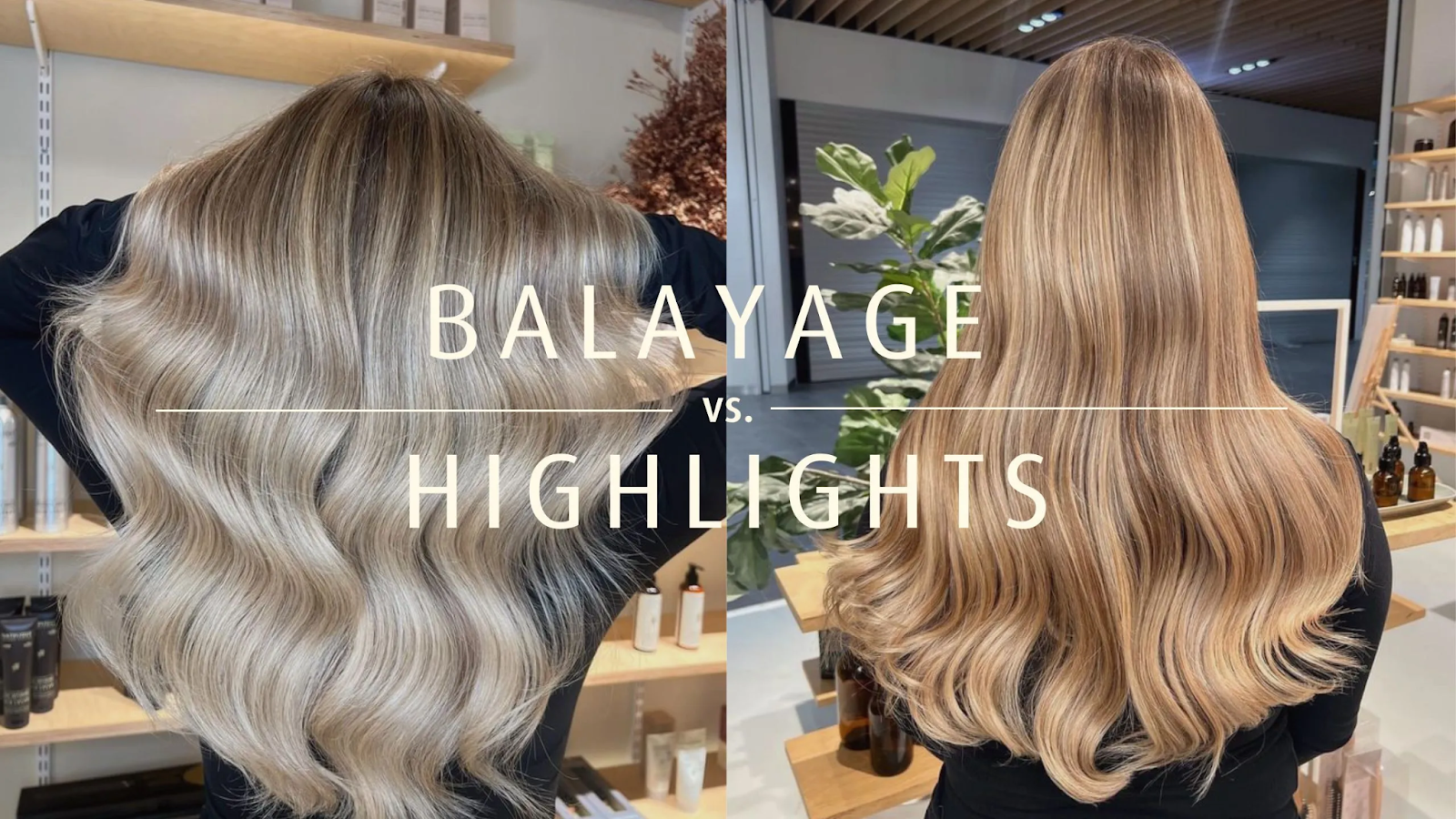
Balayage and highlights are the two most popular ways to add lightness and dimension to your hair. They both brighten your look, but the technique, the maintenance, and the final result are very different.
If you’ve been going back and forth between the two, this guide will help you understand what each one actually involves, how they compare on cost and upkeep, and which one makes sense for your hair type, your lifestyle, and the look you want.
The Short Answer
Balayage is a freehand painting technique that creates a soft, natural gradient from darker roots to lighter ends. Highlights use foils to lighten individual strands from root to tip, creating a more structured, uniform brightness. Balayage grows out gradually with no visible root line and needs touch-ups every 12 to 16 weeks. Highlights create more dramatic lightening but show regrowth sooner, typically requiring a touch-up every 6 to 8 weeks.
What Is Balayage?
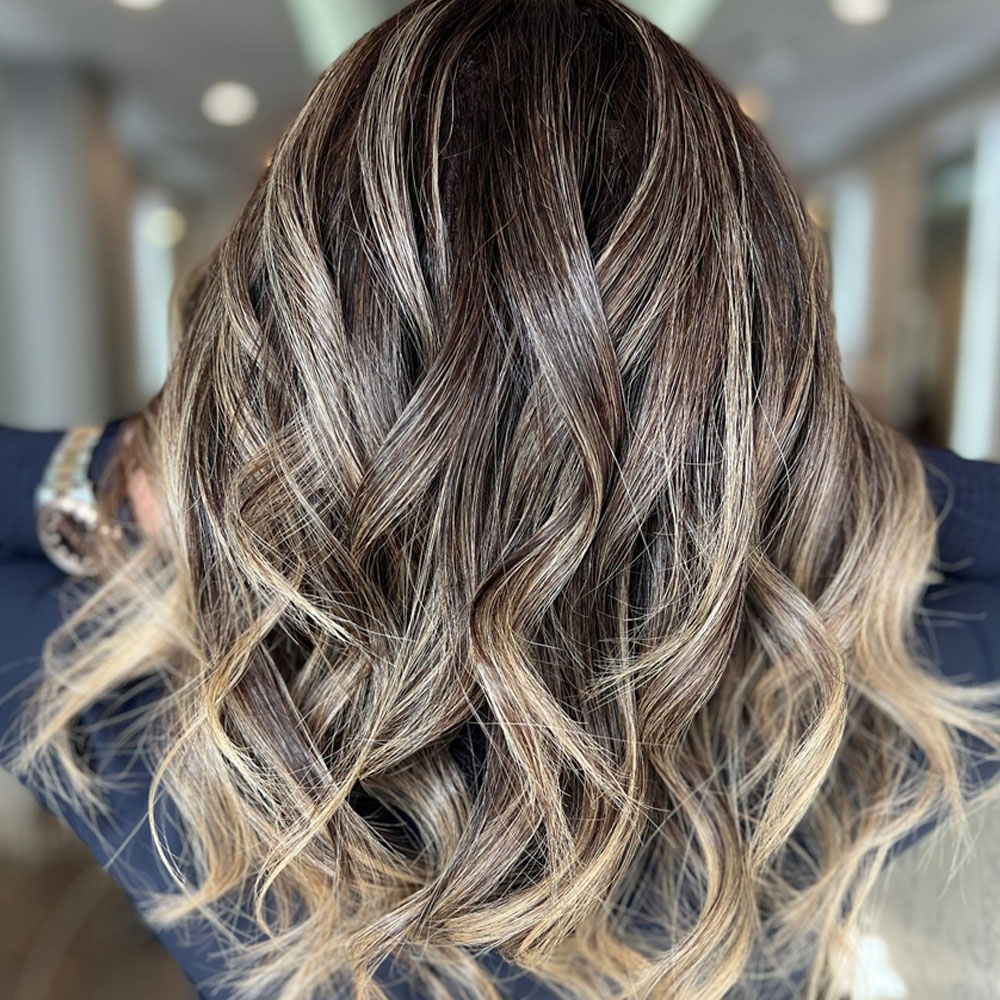
Balayage (pronounced “bah-lay-ahzh”) comes from the French word meaning “to sweep.” Your colorist hand-paints lightener onto the surface of your hair in sweeping motions, concentrating the color more heavily toward the ends and leaving the roots darker.
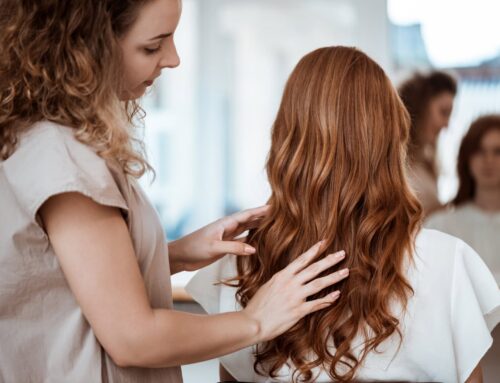
Because the application is freehand, every balayage result is slightly different. Your colorist can customize the placement based on your face shape, your natural parting, and where you want the most brightness. The result is a soft, sun-kissed look that mimics the way hair naturally lightens from sun exposure.
Key characteristics of balayage:
- Hand-painted application with no foils
- Lighter at the ends, gradually blending into darker roots
- Soft, natural transition with no visible line of demarcation
- Grows out gracefully without an obvious root line
- Touch-ups every 12 to 16 weeks (some clients stretch even longer)
Balayage is especially popular with clients who want a low-maintenance color that still looks intentional. It also pairs well with layered haircuts and textured styles because the color placement enhances natural movement.
What Are Highlights?
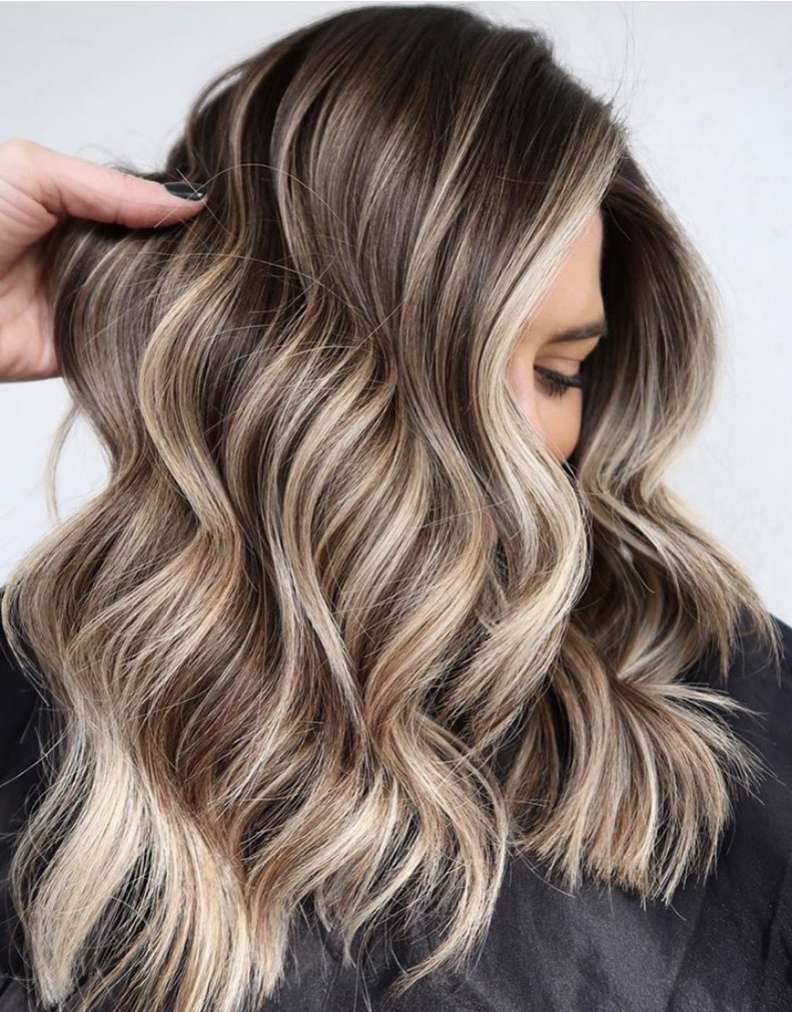
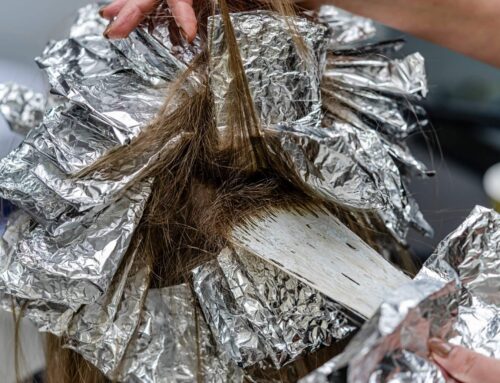
Highlights are a more traditional technique where your colorist isolates individual sections of hair, applies lightener, and wraps each section in foil. The foil concentrates heat and keeps the lightener from touching surrounding strands, allowing for precise, controlled lifting from root to tip.
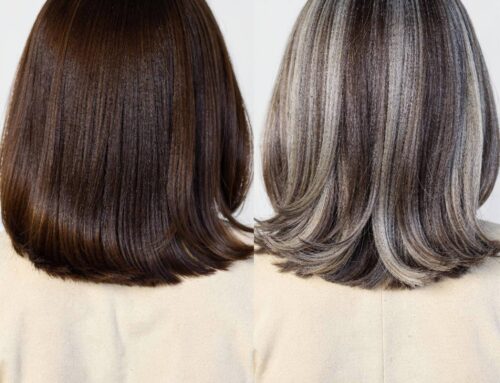
The result is a more uniform, structured brightness throughout your hair. Depending on the placement and thickness, highlights can range from subtle and natural to bold and dramatic.
Types of highlights Numi offers:
- Full highlights: Foils placed throughout the entire head for all-over brightness
- Partial highlights: Focused on specific areas like the crown, top layers, or around the face
- Face-framing highlights: Lighter pieces concentrated around the hairline and face to brighten your complexion
- Babylights: Ultra-fine foils that mimic the subtle, delicate highlights seen in children’s hair
Key characteristics of highlights:
- Foil-based application for precise, consistent lightening
- Color applied from root to tip for uniform brightness
- More dramatic contrast between lightened and natural strands
- Visible regrowth as roots grow in, creating a line of demarcation
- Touch-ups every 6 to 8 weeks to manage root growth
Highlights are an excellent choice when you want noticeable, even brightness, maximum lifting power, or a dramatic color change.
Balayage vs Highlights: How They Compare
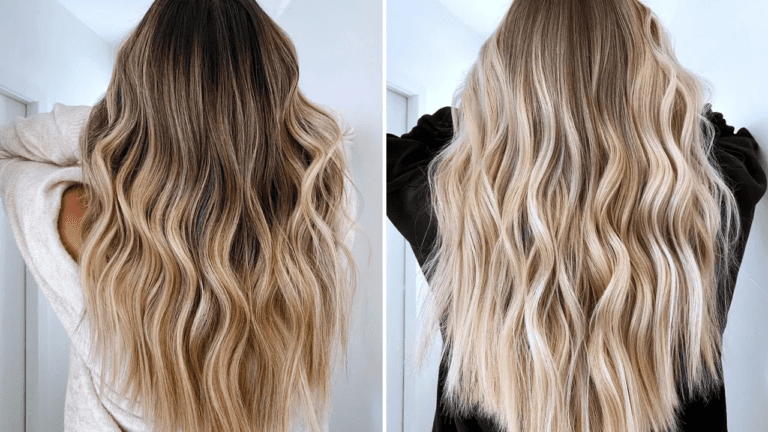
Here’s a side-by-side breakdown to help you decide:
Application method: Balayage uses freehand painting. Highlights use foils for precise sectioning.
Final look: Balayage creates a soft, blended gradient. Highlights create structured, uniform brightness from root to tip.
Grow-out: Balayage grows out naturally with no harsh root line. Highlights show visible regrowth within 4 to 6 weeks.
Touch-up frequency: Balayage every 12 to 16 weeks. Highlights every 6 to 8 weeks.
Annual salon visits: Balayage requires roughly 3 to 4 visits per year. Highlights require 6 to 8 visits per year.
Best for natural look: Balayage wins. The gradient blends seamlessly with your base color.
Best for maximum brightness: Highlights win. Foils deliver more concentrated lifting power.
Works on short hair: Highlights are typically better. Balayage needs some length to create the gradient effect.
Gray coverage: Both can help camouflage early grays by adding lighter tones that blend with silver strands. For dedicated gray solutions, see our guide to gray coverage vs gray blending.
Which One Is Better for Your Hair Type?
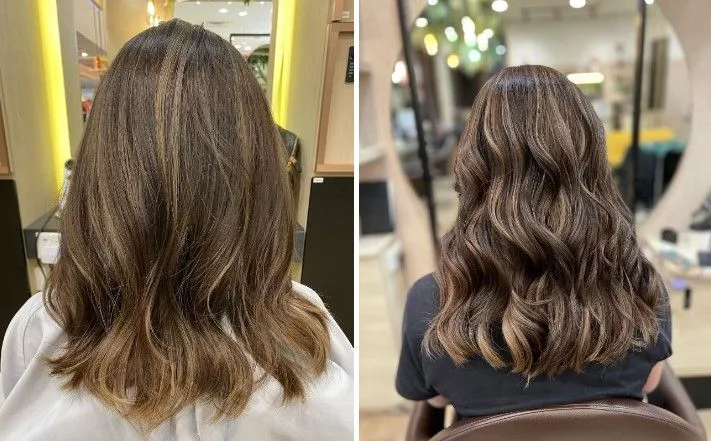
Neither technique is universally “better.” The right choice depends on your starting point and your goal.
Fine or thin hair: Both work well. Highlights add all-over brightness that can make fine hair look fuller. Balayage adds depth and dimension without processing the entire head, which means less chemical exposure on fragile strands. If your hair is thinning, your colorist may recommend balayage to minimize damage.
Thick or coarse hair: Balayage is often the better fit. The hand-painted technique lets your colorist work with your hair’s natural texture and movement. Thick hair also holds the balayage gradient beautifully because there’s enough density to show the transition between tones.
Dark hair: Both work, but balayage tends to look more natural on dark bases because the gradual transition avoids the stark contrast that foil highlights can create. If you want significant brightening on dark hair, your colorist may recommend a combination of foils and balayage (sometimes called “foilayage”) for the best of both worlds.
Short hair: Highlights are usually the better option. Balayage relies on length to create the root-to-tip gradient, and very short hair may not have enough space for the technique to read properly. Highlights can add brightness and dimension at any length.
Previously colored hair: This depends on your color history. If you have existing balayage, your colorist can refresh and build on the existing placement. If you’re switching from highlights to balayage (or vice versa), your colorist will transition the look over one or two appointments to avoid an abrupt change.
Can You Combine Balayage and Highlights?
Yes, and many colorists do. The combination is sometimes called “foilayage,” which uses foils for extra lifting power while applying color with balayage-style placement. The result is brighter than traditional balayage but softer and more blended than straight foil highlights.
At Numi, our colorists often customize the approach based on what your hair needs. You might get foils through the top for brightness and balayage through the mid-lengths and ends for a natural blend. The technique is tailored to you, not the other way around.
How to Make Your Color Last Longer
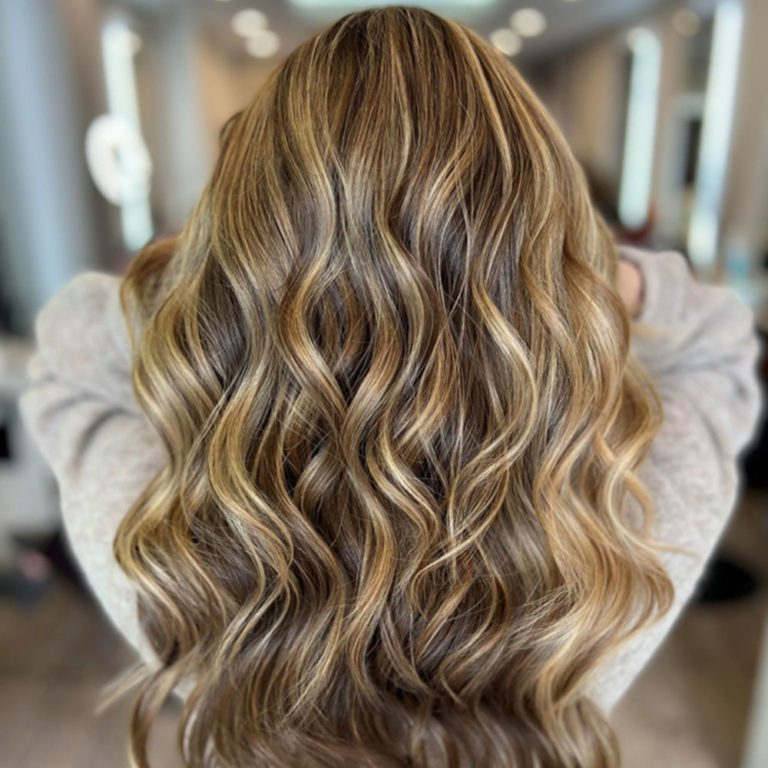
Regardless of which technique you choose, a few habits will keep your color looking fresh between appointments:
Use sulfate-free shampoo. Sulfates strip color and cause faster fading. We carry Kerastase and Oribe lines formulated specifically for color-treated hair.
Wash less frequently. Every 2 to 3 days is ideal. Dry shampoo between washes helps extend your color life without sacrificing volume.
Add a glaze between appointments. A glaze refreshes your tone, eliminates brassiness, and adds a layer of shine. It’s a quick, affordable way to keep your color vibrant without a full appointment.
Use heat protectant. Blow-drying and flat-ironing accelerate color fading. A heat protectant creates a barrier that helps your color hold.
Book a toner refresh if you go brassy. Warm, yellow, or orange tones showing up between appointments? A toner takes 20 to 30 minutes and neutralizes those unwanted warm tones instantly.
Book Your Balayage or Highlights Appointment at Numi Hair
Not sure which technique is right for you? That’s exactly what your consultation is for. Our colorists will assess your hair type, texture, color history, and goals, then recommend the approach that gives you the result you want with the maintenance level you can commit to. See examples of our work in the color gallery.
Why clients trust Numi Hair:
- Named Best Hair Salon in Westchester and a Top 100 Salon in the US
- 993+ Google reviews at 4.9 stars
- Our colorists specialize in balayage, foilayage, and precision highlight techniques across every hair type
Book your appointment online or call us at (914) 574-6402. We’re located in Scarsdale, just off the Bronx River Parkway, easily accessible from White Plains, Eastchester, Bronxville, Yonkers, and all of Westchester County.
Frequently Asked Questions
Is balayage or highlights better for first-time color?
If you’ve never colored your hair before and want something subtle, balayage is a great starting point. It creates a natural, low-commitment look and grows out easily. If you want more noticeable brightness right away, highlights can deliver a bigger change in one session.
Does balayage damage your hair less than highlights?
Balayage generally processes less of your total hair because the lightener is concentrated on selected sections rather than applied from root to tip. That means less overall chemical exposure. However, both techniques use lightener, so proper aftercare and professional application are essential regardless of which you choose.
Can I get balayage on short hair?
It depends on the length. Very short pixie cuts may not have enough length for the gradient effect. Bob-length hair and longer can absolutely work with balayage. Your colorist at Numi can advise on the best technique for your current cut.
How much does balayage cost compared to highlights?
Balayage often costs more per appointment because the hand-painting technique takes more time. However, you visit the salon less frequently (3 to 4 times per year versus 6 to 8 for highlights), so the annual cost is often comparable. Exact pricing depends on your hair length, density, and the look you want.
Can highlights help cover gray hair?
Yes. Strategic highlight placement blends lighter tones with gray strands, making them less noticeable. This is especially effective for clients with less than 50% gray. For heavier gray, combining highlights with a single-process color or switching to full gray blending may give a better result.
Numi Hair Salon is located at 69 Harney Road, Scarsdale, NY 10583 — just off the Bronx River Parkway. We serve clients from White Plains, New Rochelle, Eastchester, Bronxville, Hartsdale, and throughout Westchester County.